Banks worried about Starmer coup: report


Key Points
- UK banks are preparing for potential tax hikes if Keir Starmer is ousted and replaced by a more left-wing Labour leader, according to the Financial Times
- Banks narrowly avoided increases in the November Budget after pledging more lending; they are now “war-gaming” scenarios amid political instability and the Peter Mandelson vetting scandal
- Strong bank profits have renewed calls from Labour’s left for higher levies; Angela Rayner previously proposed raising the bank surcharge to 5%, potentially raising £1.5 billion a year
- Starmer faces heavy pressure over the Mandelson-Epstein scandal, poor approval ratings, tax rises, weak growth and rising unemployment ahead of 7 May local elections
- A poor local election result could accelerate leadership change and bring renewed focus on taxing the banking sector
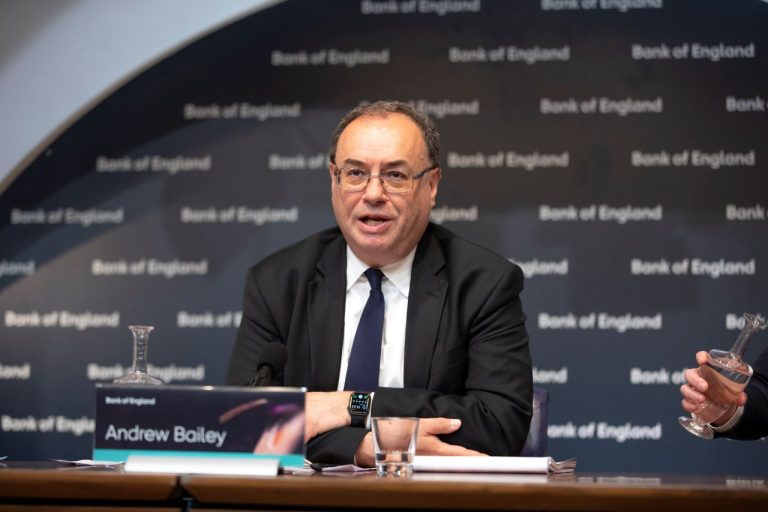
UK banks are preparing for potential tax increases should Prime Minister Keir Starmer be replaced by a more left-wing Labour leader, the Financial Times reports.
The banking sector narrowly avoided a tax hike in Chancellor Rachel Reeves’ November Budget after providing assurances that it would increase lending in the UK and support the government’s fiscal plans.
However, recent political turbulence, including the Peter Mandelson vetting scandal, has heightened expectations that both Starmer and Reeves could soon be ousted, prompting banks to “war-game” a shift to the left.
One senior executive at a large UK lender told the FT that the sector “should be worried”, noting that banks “had an astonishing escape” last year and that any chancellor other than Reeves “would have gone for the banks”.
UK banks already pay a balance sheet levy and a surcharge on profits, on top of standard corporation tax. Strong recent profits have renewed calls from the Labour left for higher levies on the sector.
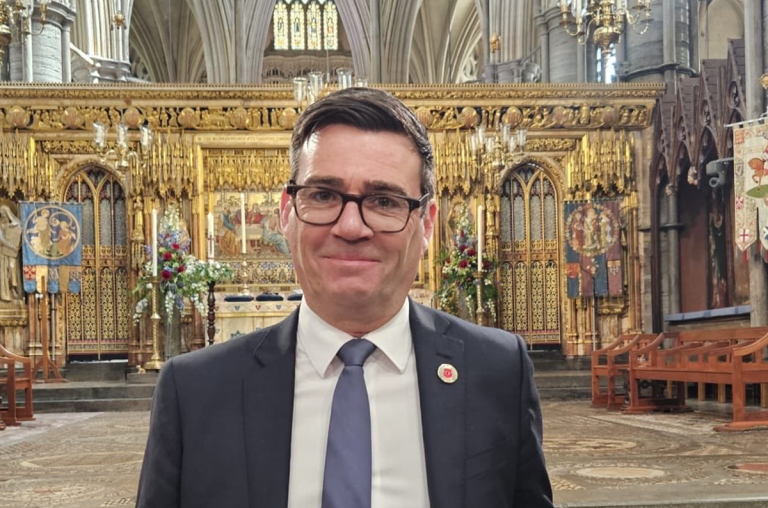
Angela Rayner, a favourite to succeed Starmer, proposed last year raising the bank surcharge to 5%, which could raise around £1.5 billion annually. The surcharge was 8% when introduced in 2016 before being reduced to 3% in 2022.
Starmer’s woes
Starmer’s leadership has come under intense pressure in recent weeks, largely due to the ongoing Peter Mandelson vetting scandal.
The former Labour grandee and one-time US ambassador was appointed despite failing security vetting, with reports of pressure from No 10 to expedite the process. Mandelson was later sacked over his links to Jeffrey Epstein.

The scandal has dominated Westminster, with Starmer facing hostile questions in Parliament, firing senior officials, and blaming civil servants for not informing him of the vetting failure.
Critics accuse him of poor judgment and throwing staff “under the bus”.
The episode has further damaged Starmer’s already low approval ratings, which are among the worst for any prime minister in decades.
Public disillusionment has grown rapidly since Labour’s 2024 landslide victory, fuelled by tax rises, benefit cuts, weak economic growth, and rising unemployment.
With local elections looming on 7 May, many analysts expect heavy losses for Labour across England, Scotland, and Wales.
A poor showing could intensify calls for Starmer to step down, with senior figures like Angela Rayner viewed as a leading potential successor.