Primark is about to become its own FTSE 100 company – but it has a German headache
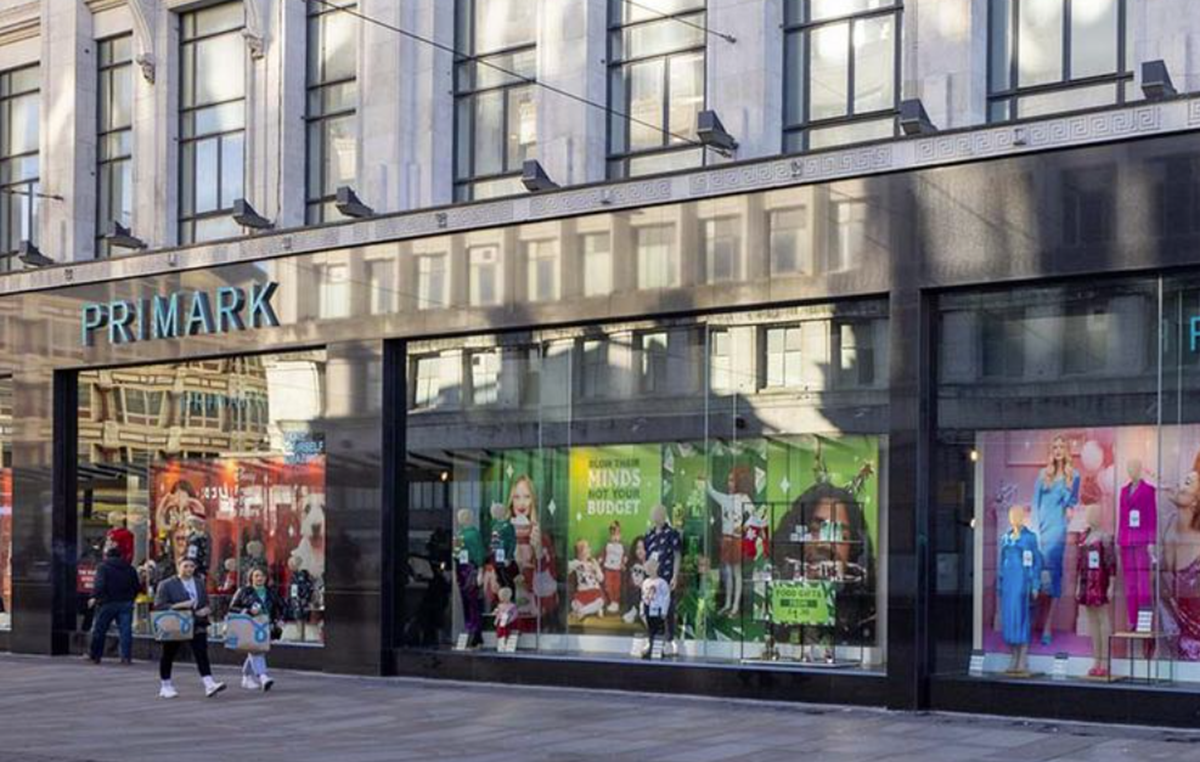

Associated British Foods (ABF) has confirmed plans to demerge its fast-fashion powerhouse Primark from the rest of its food and ingredients empire, potentially creating two separate FTSE 100 companies by the end of 2027.
While the separation could simplify the conglomerate structure, analysts caution that it may not deliver the sharp value unlock some investors are hoping for.
“ABF’s decision to demerge Primark by the end of 2027 has been long expected, but it is not the value-unlocking moment some might hope for,” said Chris Beckett, consumer staples analyst at Quilter Cheviot.
“The separation will leave two FTSE 100 companies, both ultimately family-owned via charitable trusts, which underlines that this is more about structure than strategy.”
Primark, known for its low prices and “fast fashion at value” model, has been a standout performer for ABF in recent years, often contributing the lion’s share of group profits. However, it remains a large, low-margin European retailer confronting structural headwinds, particularly in its key continental markets.
A decade ago, such a demerger might have sparked greater excitement amid a more buoyant retail environment. Today, the backdrop is far less forgiving, with cautious consumers, intensifying competition from online players like Shein and Temu, and persistent cost pressures.
Primark’s Germany headache
Germany stands out as a particular sore spot. Primark has faced declining sales in the country, which contributed to weaker performance across Northern Europe.
In response, the retailer has closed several stores in recent years, with one more planned, and only recently resumed expansion with smaller, more targeted outlets designed to better match local demand and improve efficiency.
The business has returned to profitability in Germany following restructuring, and Primark opened its first new store there in five years in late 2025, with plans for two more.
Yet broader European trading has remained challenging, with like-for-like sales in continental Europe falling sharply in recent periods amid weak consumer confidence.

Beckett noted that Primark “remains a large, low-margin European retailer facing structural pressures, particularly in Germany, and this is not the sort of growth story that commands a meaningful re-rating.”
ABF not out of the woods yet
On the other side of the potential split, ABF’s food operations – spanning sugar, agriculture, ingredients, and grocery across multiple geographies – lack the coherence of more focused peers, according to Beckett.
Recent trading underlines the challenge. Interim results were weak, with sales down 2% and earnings down 15%, driven by a soft European consumer and continued pressure in the US.
The US grocery exposure is a particular drag. ABF’s cooking oil business, which is heavily geared towards Hispanic consumers, has seen demand fall as tougher immigration enforcement has reduced shopping trips and footfall.
That politically driven dynamic has affected a number of consumer staples groups, compounding what was already a difficult US trading environment,” Beckett said.
The sugar division is the other clear negative. Low EU sugar prices are expected to push the business into a loss this year, underlining the volatility of an operation that has always been feast or famine.
“Management suggests the demerger is still around 18 months away. While the second half may look better in isolation because the first half was so weak, full‑year profits are still expected to fall.
“Until the separation is much closer and the investment case on both sides is clearer, there is little reason for investors to engage with the stock,” Beckett said.