UK petrol prices aren’t dropping despite Trump’s Iran ceasefire

UK drivers are unlikely to get any immediate relief at the pumps even after President Donald Trump announced a conditional two-week ceasefire with Iran, which has triggered a sharp drop in global oil prices.
The agreement, reached on Tuesday evening (7 April), includes provisions for Iran to allow safe passage of oil shipments through the critical Strait of Hormuz.
Oil markets reacted swiftly, with benchmark Brent crude plunging around 13-15% to below $95 a barrel in early trading on Wednesday.
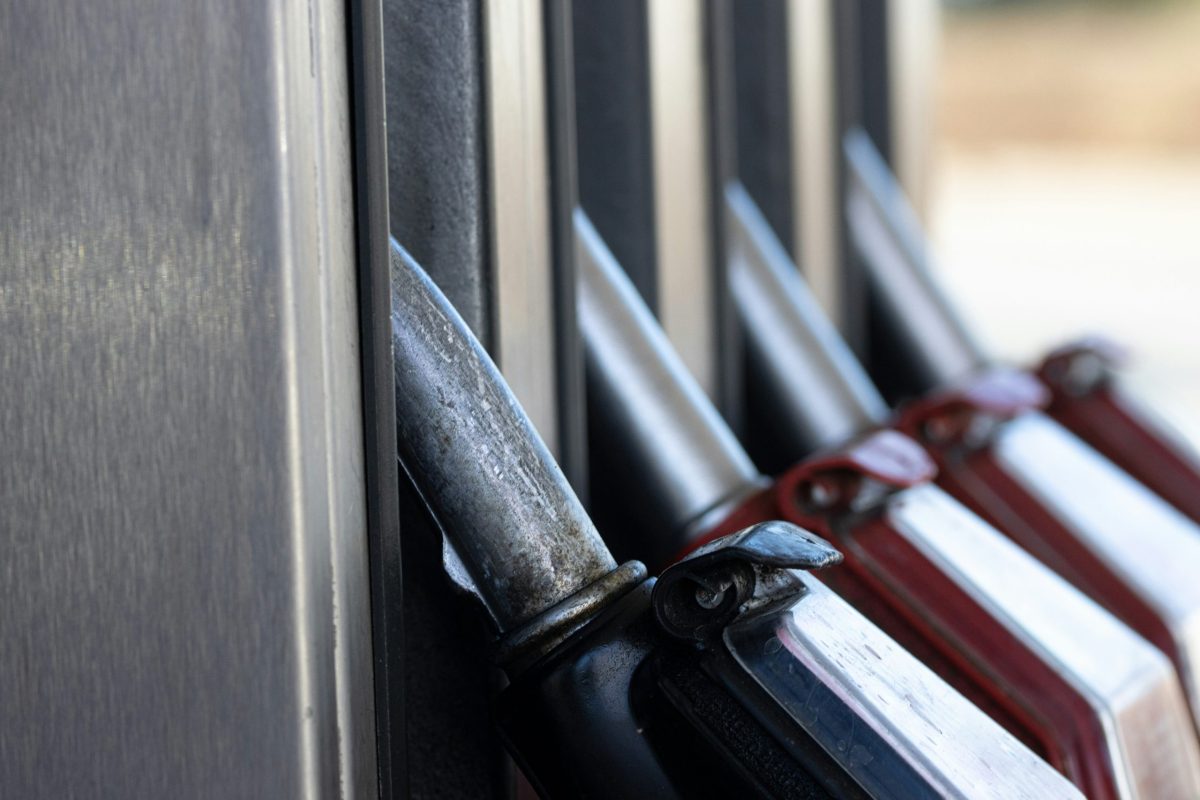
However, the impact has yet to filter through to UK forecourts. According to the latest data from the RAC, the average price of a litre of unleaded petrol now stands at 157.71p – up 25p, or 19%, since the conflict in the Middle East escalated at the end of February.
Diesel has climbed even more dramatically, hitting 190.62p per litre, an increase of 48p (34%) over the same period. Both fuels are now at their highest levels since late 2022.
Simon Williams, head of policy at the RAC, warned that the outlook for British motorists remains highly uncertain despite the ceasefire announcement easing some pressure on global oil markets.
“The conditional ceasefire announcement may have taken some heat out of global oil prices, but the outlook for drivers in the UK remains highly uncertain,” Williams said. “The best hope in the short term is that pump prices stop rising at the rate they have been and hopefully top out in the coming days.”
He added that meaningful reductions at the pump would require a sustained period of lower oil prices over several weeks, not just a few days, to bring down wholesale fuel costs.
Much will hinge on the stability of the fragile ceasefire, whether oil shipments can resume freely through the Strait of Hormuz and the longer-term effects on production across the Gulf region.
“Drivers should not expect significantly cheaper fuel in the short term,” Williams cautioned. “Although some smaller independent forecourts buying on a ‘spot’ basis may be quicker to pass on any reductions,” he said.

The surge in fuel costs has added hundreds of pounds to annual motoring expenses for many households.
A typical 40-litre fill-up of diesel now costs around £26 more than before the conflict intensified, according to industry estimates.
Why pump prices lag oil market moves
UK fuel prices are influenced by a combination of wholesale oil costs, refinery margins, taxes, and retailer margins.
Even when crude prices fall sharply, it can take weeks for the benefit to reach drivers because retailers and suppliers work through existing higher-priced stocks.
In this case, the ceasefire is only for two weeks and remains conditional, adding to the caution among fuel suppliers. Markets are watching closely to see if negotiations, including on Iran’s reported 10-point proposal, lead to a more durable peace or if tensions flare again.
Advice for drivers
The RAC continues to urge motorists to shop around rather than accept the first price they see.
“We continue to recommend drivers shop around for fuel and make use of free apps like myRAC to ensure they always get the best price each time they fill up,” Williams said.
He added that independent price comparison tools and supermarket fuel rewards schemes can help shave several pence per litre off the average, potentially saving drivers £5–10 on a full tank.