Top bosses call for drilling in the North Sea to bring down UK energy prices
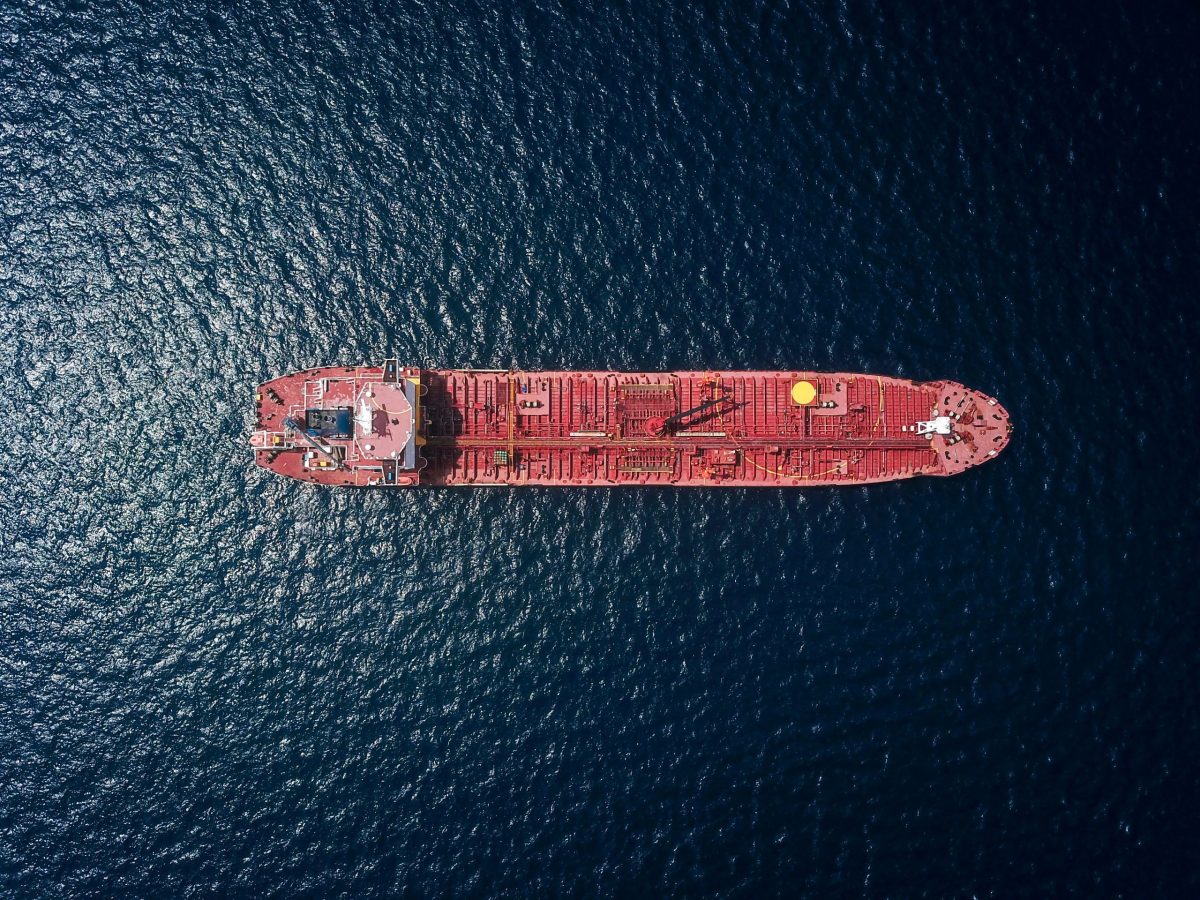

The head of British Gas is urging the UK government to reverse its ban on new oil and gas exploration in the North Sea, arguing that tapping untapped reserves could help mitigate surging energy prices triggered by the ongoing war in Iran.
Chris O’Shea, chief executive of Centrica, the parent company of British Gas, made the call amid a global energy crisis sparked by the US-Israeli conflict with Iran, which began in late February 2026.
The war has effectively closed the Strait of Hormuz, a critical chokepoint through which about 20% of the world’s oil and a significant portion of liquefied natural gas (LNG) typically flow.
This disruption has sent oil prices soaring past $100–$120 per barrel in recent weeks, with physical markets hitting record highs and European gas prices doubling or more since the conflict escalated.
In an interview with the BBC, O’Shea said that exploiting domestic North Sea resources “makes sense” and could play a meaningful role in bolstering energy resilience.
“If you’ve got resources, you should,” he said. While acknowledging it’s “not a silver bullet,” he insisted that increased production from the North Sea would “bring prices down” and “definitely make a difference” – potentially enough to impact energy costs across Europe.
O’Shea framed the proposal as part of a broader strategy for energy security, including expanding emergency gas storage, accelerating home-grown renewables, and investing in battery storage.
Centrica itself no longer drills for oil but operates the Rough natural gas storage facility off England’s east coast, which has been revived after years of dormancy and is set to transition to hydrogen storage under Labour’s net-zero ambitions.
His comments add to mounting pressure on the Labour government, led by Energy Secretary Ed Miliband, to reconsider its policy of no new North Sea licenses, a pledge from the party’s election manifesto aimed at accelerating the shift to renewables.
Miliband has firmly rejected such calls, dismissing the idea that more North Sea production would meaningfully lower global prices as “totally false.” He argued last week that exploiting remaining UK reserves would have a negligible impact on international markets dominated by larger producers.
Other CEO’s
But O’Shea is not alone. A chorus of industry voices has echoed his position in recent days:
- Greg Jackson, CEO of Octopus Energy and a member of the government’s industrial strategy advisory council, has criticized reliance on “wishful thinking” and “ideology,” warning that sticking rigidly to the ban could cause economic damage and fail to stabilize prices.
- Make UK, representing thousands of manufacturers, has urged ministers to approve drilling to avert further energy cost spikes that could hammer industry.
- Even Tara Singh, head of RenewableUK, the wind industry lobby, has called for a policy rethink, suggesting a balanced approach amid the crisis.
The war’s asymmetric impact on fuels has sharpened the debate. O’Shea noted that while around 20% of global LNG passes through the Strait of Hormuz, most natural gas moves via pipelines unaffected by the closure.
As a result, the disruption equates to only about 3–4% of global gas supply. far less severe than the oil shock. “The impact on gas, and therefore on electricity bills, should be lower than the impact on oil,” he said, predicting motorists would feel the brunt at petrol pumps rather than households on energy bills.