Labour plans to hand businesses £3,000 to hire young job seekers – here’s who qualifies
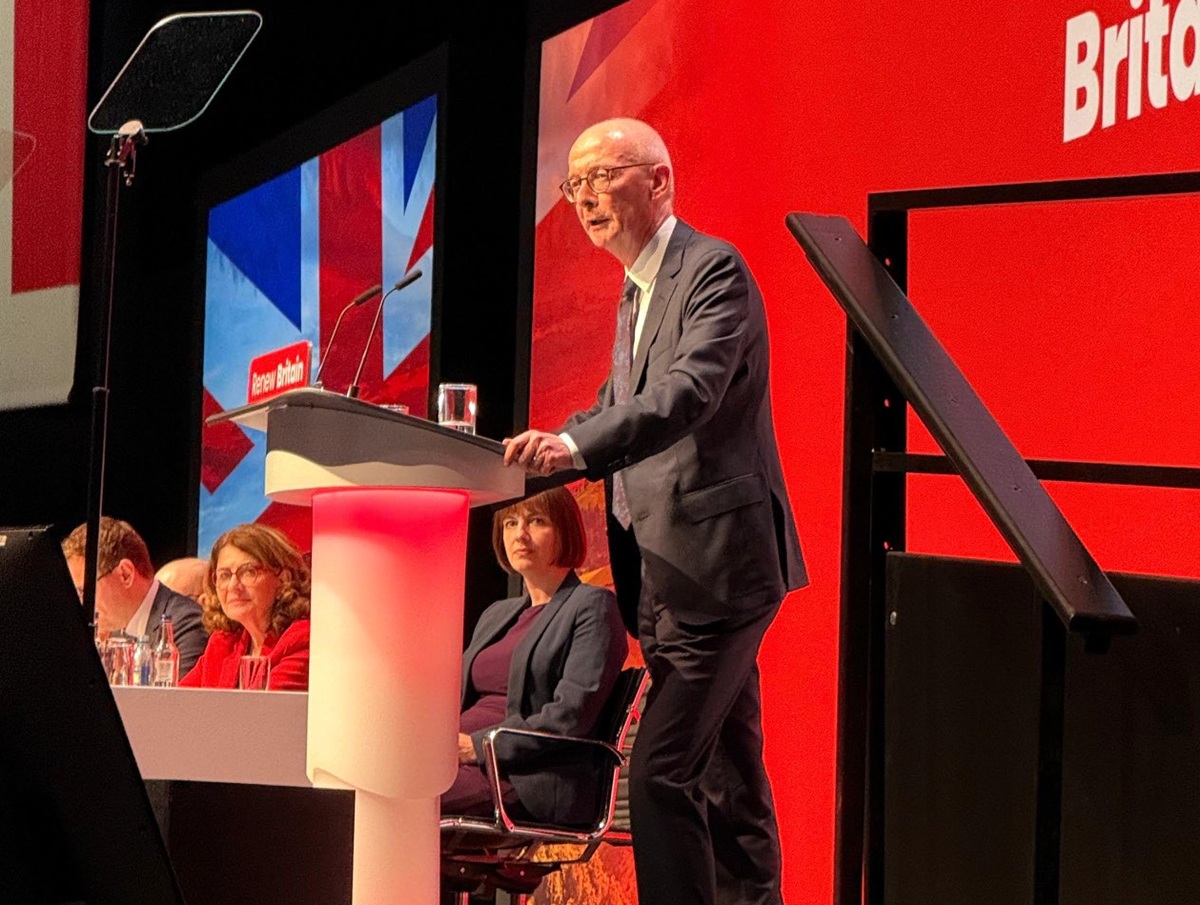

The UK’s Labour government is set to offer businesses a £3,000 taxpayer-funded subsidy for each young person they hire from long-term unemployment.
The Telegraph reports that the incentive is expected to be formally announced on Monday (16 March) by Work and Pensions Secretary Pat McFadden, targeting employers hiring under-25s who have been claiming Universal Credit for more than six months.
The payment aims to offset barriers to hiring less experienced workers, particularly as recent increases in the minimum wage and employer National Insurance contributions have made younger recruits more expensive.
The scheme forms part of broader Labour efforts to address the so-called “NEETs crisis” – young people not in education, employment, or training.
Recent data shows youth unemployment hovering around 16% for 16- to 24-year-olds, significantly above the national average of about 5%, with critics blaming policies like sharp minimum-wage hikes for pricing young workers out of entry-level roles.
Who qualifies and how it works
Under the proposal:
- Eligible hires must be under 25 years old.
- They need to have been on Universal Credit for more than six months.
- Employers receive a flat £3,000 subsidy per qualifying hire, paid from public funds via the Department for Work and Pensions (DWP).
Similar past wage subsidy programs have included conditions to prevent short-term hires and “churn.” The subsidy is understood to be designed to encourage permanent or sustained roles.
The move complements Labour’s Youth Guarantee, which promises 18- to 21-year-olds access to education, training, apprenticeships, or work opportunities.
Earlier announcements include £820 million for expanded support, fully funded apprenticeships for small and medium-sized enterprises (SMEs), and guaranteed six-month placements in areas of high unemployment, starting in spring 2026.
McFadden is also expected to outline reforms to the apprenticeship levy and extensions to the jobs guarantee program, potentially reaching tens of thousands more young people.
Struggling with youth unemployment
The subsidy arrives against a challenging landscape for youth employment.
Business groups have warned that Labour’s tax and wage policies, including a 46% rise in the 18-20 minimum wage over recent years, have increased hiring costs by thousands of pounds per young worker, making employers favor more experienced candidates.
Some commentators argue the incentive partially undoes those pressures, while others question whether short-term cash payments address deeper issues like skills gaps or economic inactivity driven by health problems.
Government sources describe the package as “serious measures to tackle the NEETs crisis” and help businesses train the next generation.
This aligns with Chancellor Rachel Reeves’ and Prime Minister Keir Starmer’s pledges to reduce long-term youth unemployment and boost economic participation.