UK reveals its plans to crack down on Airbnb-style rentals driving up house prices
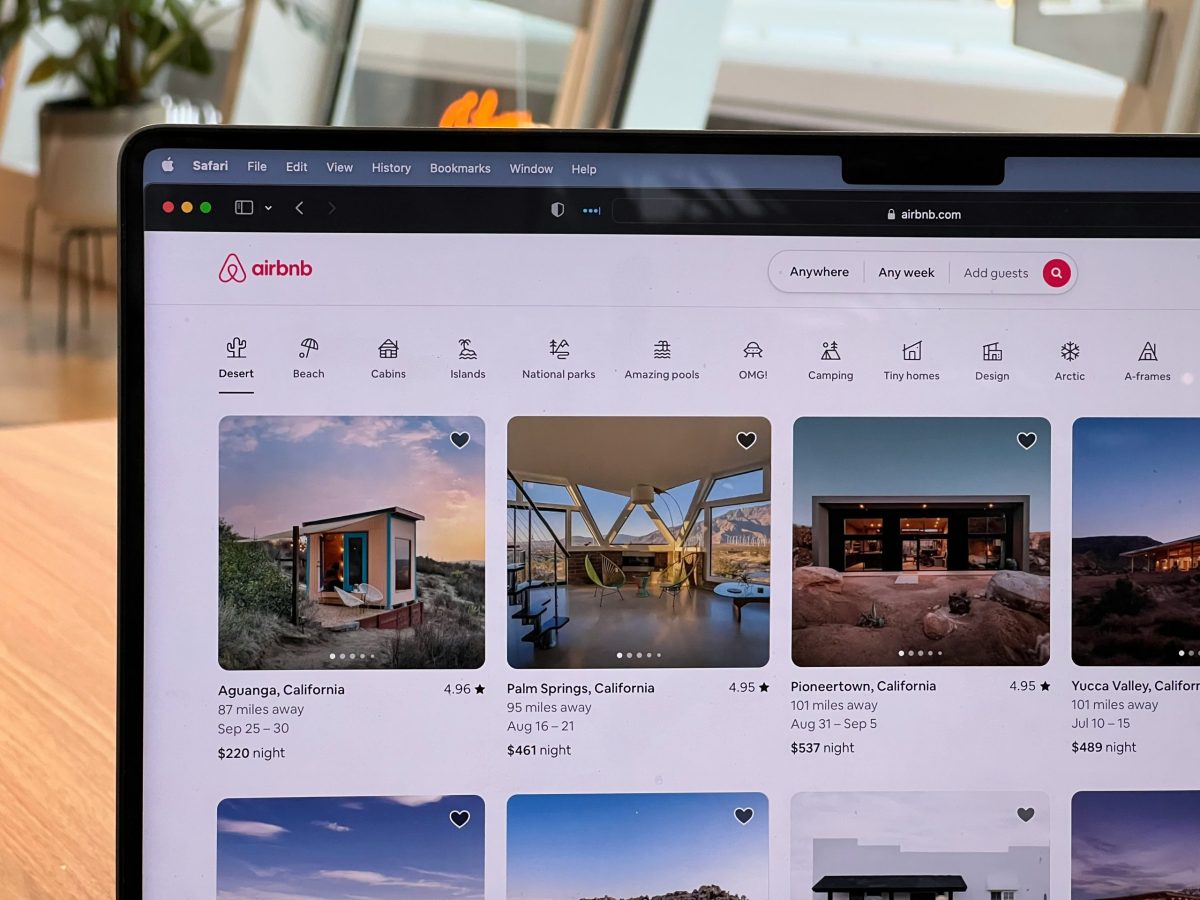

The UK government has outlined steps to address the growing concern that Airbnb-style short-term rentals are reducing housing availability and contributing to higher house prices in certain areas.
In a written parliamentary response on Wednesday (11 March),Baroness Taylor of Stevenage, speaking for the Ministry of Housing, Communities and Local Government, acknowledged that while second homes and short-term lets can support local economies, “excessive concentrations in some areas of the country can impact the availability and affordability of homes, both to rent and buy.”
She highlighted several measures already taken or in progress to rebalance the market toward long-term residential use:
- Abolition of the furnished holiday lets tax regime, which previously provided favourable tax treatment and incentivised landlords to favour short-term holiday rentals over traditional long-term tenancies.
- An increase in the higher rates of Stamp Duty Land Tax on additional dwellings to five percentage points above standard rates, aiming to discourage the purchase of extra properties for short-term letting.
- Provisions in the Renters’ Rights Act that prevent landlords from evicting tenants solely to convert properties into holiday lets.
- Ongoing work by the Department for Culture, Media and Sport to implement a national registration scheme for short-term lets, which is being progressed to improve oversight and data collection on such properties.
These actions form part of a broader effort to curb the incentives driving the conversion of homes into short-term accommodations, particularly in high-demand areas like tourist hotspots and urban centers where housing pressures are acute.
The registration scheme, expected to launch potentially in 2026 (with indications of a possible initial voluntary phase before becoming mandatory), would help local authorities better monitor and enforce rules around short-term lets.
The response stops short of announcing entirely new primary legislation specifically for short-term let regulation in the immediate term, focusing instead on existing reforms and the advancing registration initiative.
Critics of short-term platforms argue that unchecked growth has exacerbated housing shortages and inflated prices in communities where properties are snapped up for holiday use.
The government’s approach aims to mitigate those effects without eliminating the economic benefits that tourism-related rentals provide in many regions.