Litterers in England now face on-the-spot fines of up to £500 – and they double if you don’t pay
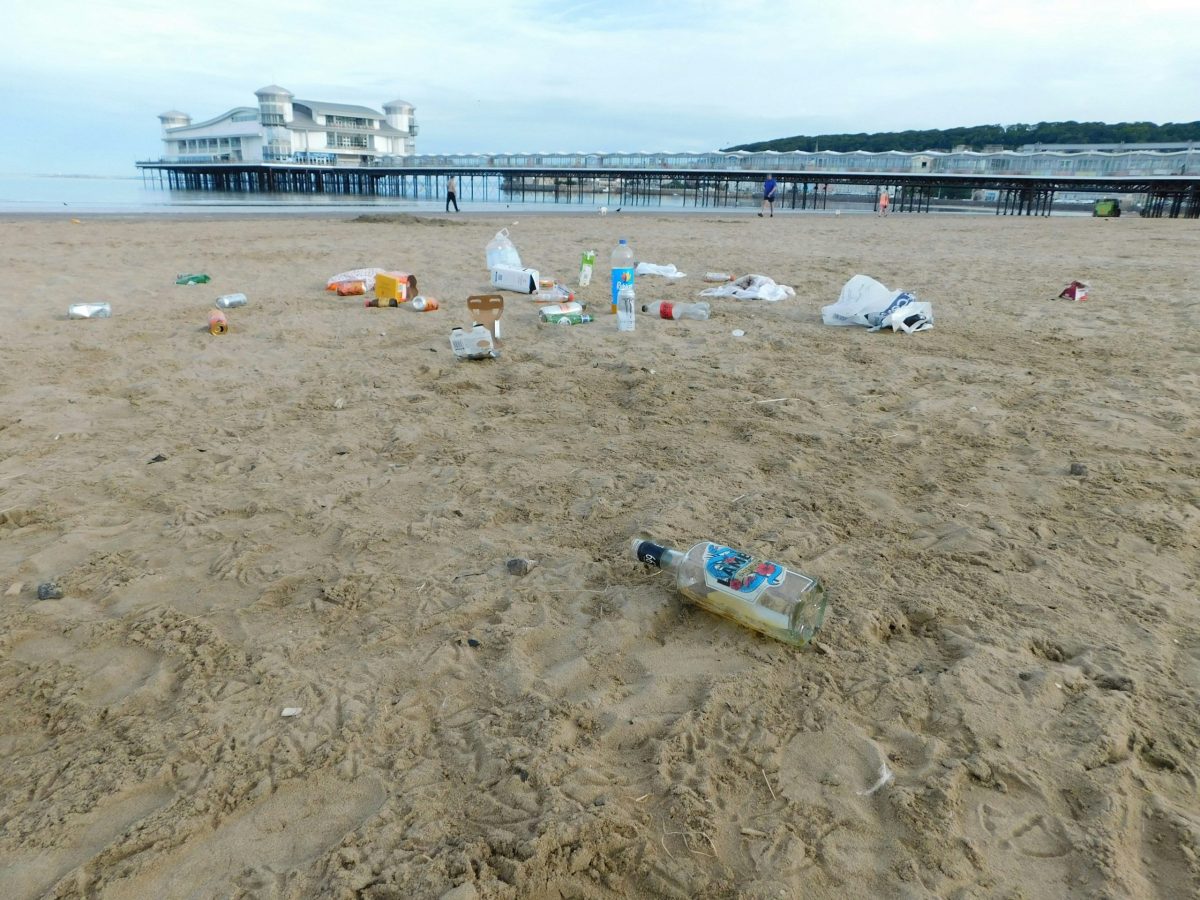

The UK government has introduced tougher, clearer rules to crack down on littering in England, empowering local councils to issue on-the-spot fines of up to £500 for offenders, with penalties doubling if unpaid.
In a move announced on Tuesday (3 March), the Department for Environment, Food & Rural Affairs (Defra) placed updated guidance on dealing with litter and refuse on a statutory footing.
This means councils now have a legal duty to follow the code, aiming for more consistent and robust enforcement nationwide against “litter louts.”
Under the rules, councils can slap litterers with fixed penalty notices (FPNs) of up to £500 right away, including for items thrown from vehicles. If the fine isn’t paid within 28 days, it automatically doubles (potentially reaching £1,000). When the offender can’t be identified, such as in cases of litter tossed from a car, the vehicle owner can be held responsible.
The guidance stresses that enforcement should remain proportionate, allowing councils to prioritize serious or repeat offenders rather than minor, accidental drops. This approach also discourages councils from outsourcing to private firms that might treat fines primarily as revenue generators.
“Once again, hundreds of thousands of volunteers across the country will be setting off to their local parks, streets and beaches for the Great British Spring Clean next week – and they deserve our thanks for looking after our community spaces,” said Circular Economy Minister Mary Creagh.
“But we must stop litter louts from spoiling them in the first place, which is why we are giving local authorities clear legal powers to take action. Councils across the country will now take the same tough approach on litterers and ensure they are being brought to justice.”
New penalties
The changes took effect immediately upon publication of the guidance. They build on previous increases to maximum fixed penalties for littering (previously capped lower in many areas, often around £150) and complement other anti-waste measures, such as enhanced powers to seize vehicles used in fly-tipping and increased funding for the Environment Agency’s enforcement.
While littering has long been an offence under the Environmental Protection Act 1990, with court maximums up to £2,500 for those who contest or ignore fines, the higher on-the-spot limit and mandatory doubling aim to create a stronger immediate deterrent.
Councils retain flexibility to set specific amounts within the £500 cap, often offering reduced early-payment options in practice, but the statutory framework pushes for tougher, fairer application across England.
Environmental groups and local authorities have long argued that inconsistent enforcement and low penalties have failed to curb the problem, which costs millions in cleanup and harms wildlife and public spaces. With these clearer powers, the government hopes to see a more unified front against casual and persistent littering.