Trump joins British MPs calling for AI kill switch: report

Key Points
- Eleven British MPs have tabled an amendment giving the UK Technology Secretary emergency powers to shut down data centres and AI systems in a national emergency.
- The proposal sits in the Cyber Security and Resilience Bill, tabled by Labour MP Alex Sobel, with the trigger set as catastrophic risk to critical infrastructure, national security or human life.
- Donald Trump has publicly backed similar powers for the US government, aligning the White House with the British cross-party amendment.
- The push has gathered force since Anthropic's Mythos model, released in April 2026, found expert-level security flaws including a bypass of Apple's macOS Memory Integrity Enforcement in five days.
- UK businesses are excluded from Anthropic's Project Glasswing programme, which currently shares Mythos defensively with Microsoft, Google, Apple, AWS, JPMorgan Chase and Nvidia.
Eleven British MPs have tabled an AI kill switch amendment, with Donald Trump backing similar powers in the United States.
The Telegraph reports that the British proposal sits in a Labour amendment to the Cyber Security and Resilience Bill, tabled by Alex Sobel, which would give the Technology Secretary last-resort powers to direct the shutdown of data centres or the AI systems housed within them.
The trigger would be an AI security or operational emergency causing catastrophic risk to critical infrastructure, national security, or severe large-scale harm to human life.
Data centre operators would have to install infrastructure allowing instant shutdown and establish secure communications to the Department for Science, Innovation and Technology so ministers can act.
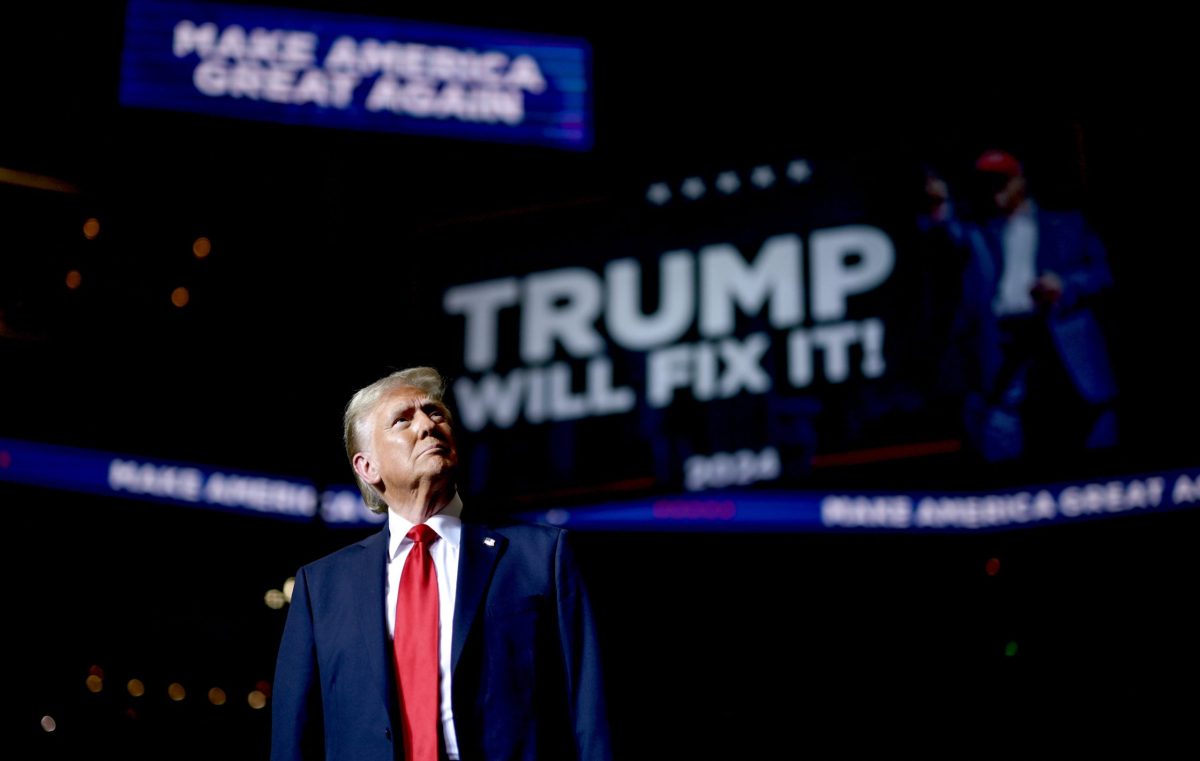
Trump recently told Fox News the US government should have similar powers, putting the White House on the same side as the cross-party group behind the British amendment.
AI lab Anthropic released a new model called Mythos in April, which the company said was too dangerous for general release because of its ability to find critical security flaws in computer systems.
In one case, researchers at Palo Alto security firm Calif used Mythos to bypass Apple’s Memory Integrity Enforcement on macOS within five days, combining two software bugs and other attack methods to break a defence Apple had spent years building.
The UK’s AI Security Institute, granted early access to Mythos, found the model completed expert-level hacking tasks 73% of the time, against zero for any AI before April 2025.
“This is not only a paradigm shift for cybersecurity, but for the national security risks that AI poses for our critical infrastructure. And the UK is nowhere near ready to respond,” said Sobel.
“Co-ordinated cyberattacks on our critical infrastructure pose a serious threat, and superintelligent AI operating beyond human control could rival a nuclear strike in the harm it inflicts. The gap between these threats and our preparedness is untenable,” he added.
UK businesses are absent from Project Glasswing, Anthropic’s scheme to share Mythos with select firms so they can harden their own systems before flaws go public.
The initial Glasswing group consists of Microsoft, Google, Apple, Amazon Web Services, JPMorgan Chase, and Nvidia. The White House has blocked Anthropic from extending Mythos access to British businesses, citing security concerns.
Most major AI models currently sit in data centres in the United States, raising the practical question of how UK ministers could exercise shutdown powers over infrastructure outside their jurisdiction.
Anthropic chief executive Dario Amodei is due to meet around 50 European chief executives this week at a two-day forum at Estelle Manor, a Grade II listed country club in Oxfordshire.
Rishi Sunak, the former Prime Minister and now an adviser to Anthropic, is among the attendees. Anthropic is reportedly in talks to raise a further $30 billion at a $900 billion valuation, three months after closing an earlier $30 billion round.