UK freezes rail fares for first time in 30 years, saving commuters £600 million


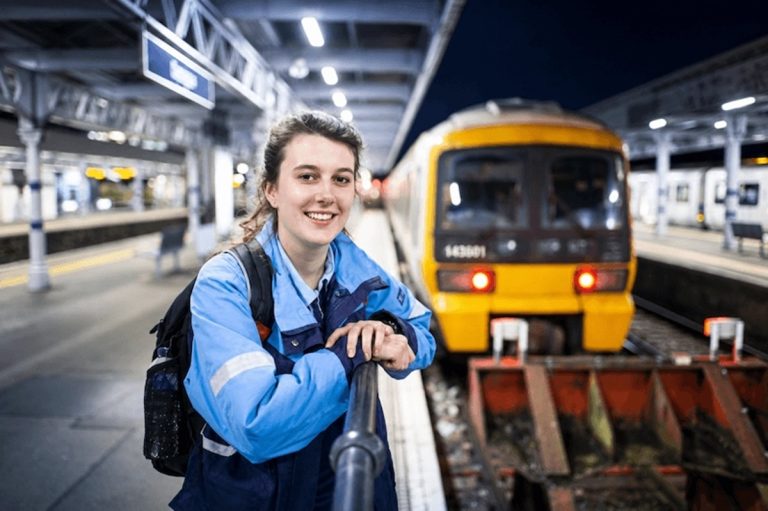
Millions of rail commuters across England are set to keep more money in their pockets after the government implemented a historic freeze on regulated rail fares, the first such pause in three decades.
Effective from this week (2 March), the freeze applies to regulated fares, including season tickets, peak-time returns for commuters, and off-peak returns between major cities.
The Department for Transport estimates the move will save passengers approximately £600 million during the 2026/27 financial year, averting what would have been a 5.8% increase under previous indexing rules.
The policy targets more than a billion passenger journeys annually and forms part of the Labour government’s broader strategy to ease cost-of-living pressures, encourage greater rail usage, and reform the network through the creation of Great British Railways (GBR).
Under the previous administration, regulated rail fares rose by around 60% between 2010 and 2024, placing significant strain on working families and regular commuters, the government said. Prime Minister Keir Starmer highlighted the change as a step toward making transport more accessible.
“Affordable, reliable transport links are the gateway to jobs, school, and opportunities,” Starmer said. “So it’s not right that passengers are being priced out of the routes they should rely on because of endless hikes. This freeze, the first since the 90s, will put more money in working people’s pockets.”
Transport Secretary Heidi Alexander said the move will result in direct financial relief for commuters.
“Freezing rail fares for the first time in 30 years will help millions of passengers keep more of their hard-earned cash, with commuters on some routes saving more than £300 a year,” Alexander said. “As we bring the train operating companies into public ownership and set up Great British Railways, we are determined to build an affordable railway that the public can be proud of and rely on.”
Specific examples illustrate the savings for typical flexi-season ticket users traveling three days a week:
- Commuters from Milton Keynes to London could save £315 annually.
- Those traveling from Woking to London stand to save £173 per year.
- Passengers on the Bradford to Leeds route could pocket an extra £57 yearly.
These reductions come as transport accounts for about 14% of average household spending, making the freeze a meaningful contribution to broader cost-of-living relief efforts. The government has also extended a £3 cap on bus fares to support everyday travel.
Chancellor Rachel Reeves framed the policy within the government’s economic priorities.
“In the budget, I said we would cut the cost of living. For the first time in 30 years, we have now frozen rail fares, saving hundreds of pounds for passengers,” Reeves said.
“Our economic plan is the right one. By cutting the cost of living, cutting national debt, and creating the conditions for growth and investment in all parts of the country we are building a stronger more secure economy.”
To support the freeze and fund passenger improvements, the government is introducing measures to combat fare evasion and ticket fraud.
From 1 April, refund rules for unused tickets will tighten, allowing claims only before travel. Rail Minister Lord Peter Hendy described the change as essential for protecting revenue.
“Deliberate fare dodging has no place on our railways. It drains much needed revenue and undercuts the trust of passengers who play by the rules,” Hendy said. The adjustments are projected to save around £40 million annually, with funds redirected toward service enhancements.
The freeze aligns with long-term reforms under the upcoming Railways Bill, which will establish Great British Railways as a publicly owned entity to oversee tracks and trains. GBR aims to reduce fragmentation, modernise ticketing, including a unified website and app for fee-free purchases, and expand initiatives like Pay As You Go and simplified fares.