The UK plans to introduce Australia-style social media ban for kids under 16 – including a new curfew
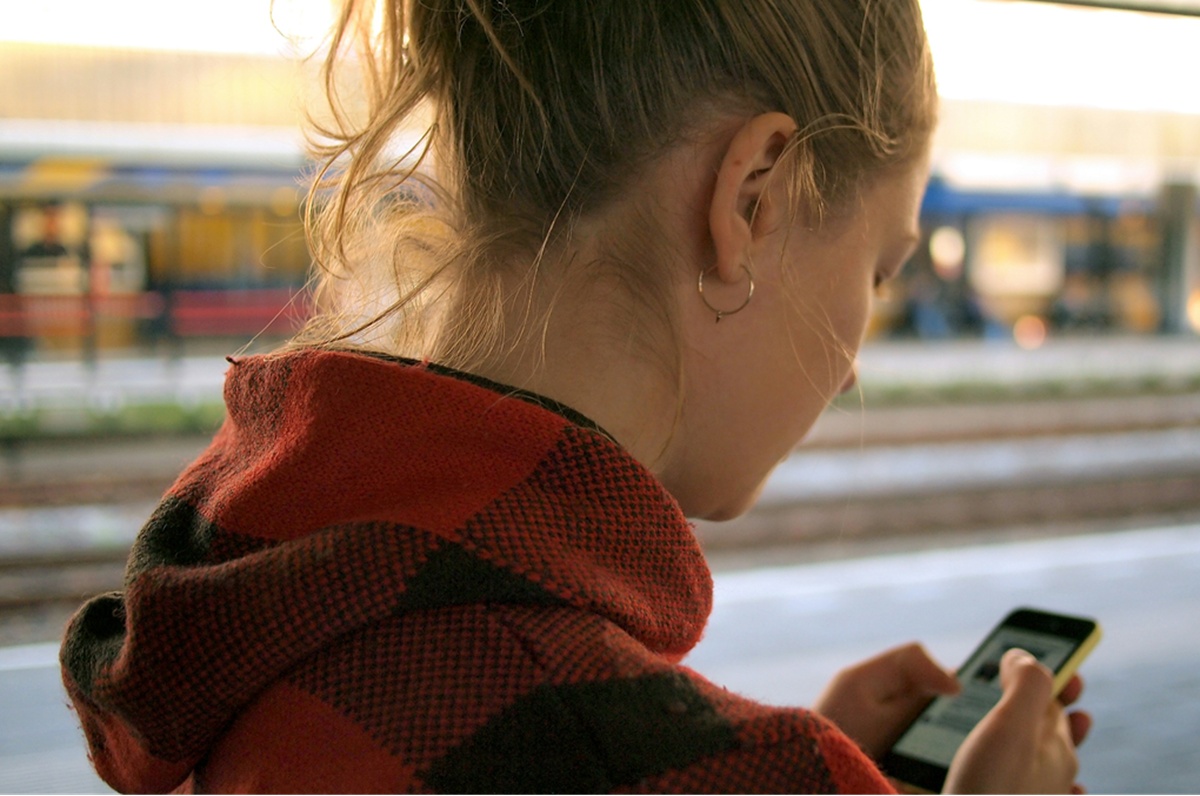

The UK government has launched a major public consultation on sweeping new measures to protect children online, including the potential introduction of an Australia-style ban on social media access for those under 16, combined with mandatory overnight curfews on platform use.
Announced on Monday (2 March), the landmark consultation – described by officials as the ‘world’s most ambitious’ effort to gather views on children’s digital lives – invites input from parents, young people, educators, and experts over the next three months, closing on 26 May.
The government plans to respond in the summer and could implement changes rapidly using new legislative powers.
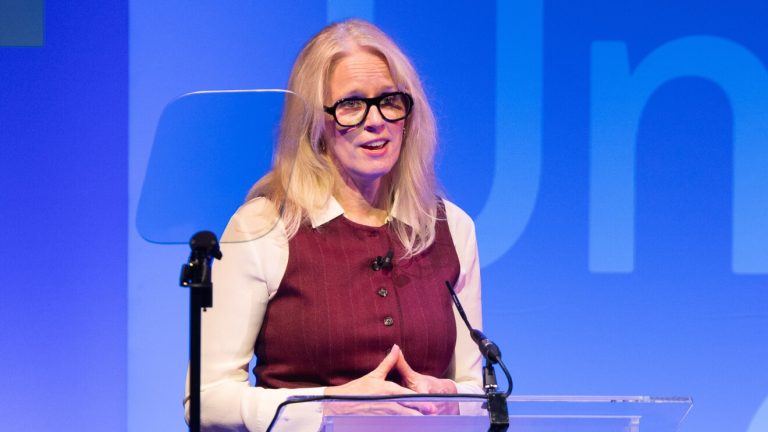
“The path to a good life is a great childhood, one full of love, learning and play. That applies just as much to the online world as it does to the real one,” said Technology Secretary Liz Kendall.
She highlighted widespread parental concerns about excessive screen time, addictive platform designs, harmful content, and the impact on children’s mental health and sleep.
Education Secretary Bridget Phillipson added that technology is ‘fundamentally changing childhood’, stressing the need to balance opportunities for learning and connection with safeguards.
Alongside the consultation, the government published new guidance on healthy screen time for ages 5-16 and launched a campaign website called Kids Online Safety to offer practical advice.
Echoing Australia’s ban
The proposals draw inspiration from Australia, which became the first country to enact a nationwide social media ban for under-16s in late 2025.
That law prohibits children from creating or maintaining accounts on major platforms – including Facebook, Instagram, TikTok, Snapchat, X, YouTube, Threads, Reddit, and others – with platforms required to enforce age restrictions through verification methods.
UK discussions explicitly reference Australia’s approach, with an academic panel set to review emerging evidence from Down Under. However, the consultation goes further by exploring alternatives to a full ban, acknowledging risks that outright prohibitions could push children toward unregulated corners of the internet.
Key options under consideration include:
- A minimum age (potentially 16) for social media access, with an outright ban for under-16s as a leading proposal supported by many parents and campaign groups.
- Mandatory overnight curfews to restrict access during set hours (e.g., late night/early morning), aimed at improving sleep and reducing late-night “doom-scrolling.”
- Requiring platforms to disable addictive features like infinite scrolling and autoplay videos.
- Stronger age verification enforcement and restrictions on AI chatbots, including potential limits on children’s unrestricted use.
- Curbs on gaming platforms, such as addressing “stranger pairing” risks.
To test these ideas, the government will run real-world pilots with hundreds of teenagers (aged 13-15), trialing full social media bans, overnight curfews, daily screen time limits, and other interventions.
Building on existing protections
The measures build on the UK’s Online Safety Act (passed in 2023), which already imposes duties on platforms to protect children from illegal and harmful content. Officials argue more is needed amid growing evidence of social media’s toll on concentration, mental health, and real-world relationships.
The consultation includes tailored surveys for young people and parents, community events, school engagements, and influencer discussions. Responses can be submitted online via the official portal.
Critics, including some digital rights groups, have warned that broad bans or heavy age-gating could raise privacy concerns, hinder freedom of expression, and prove difficult to enforce without widespread mandatory ID checks for all users.