The UK’s digital pound decision is coming in 2026 – here’s what that means for cash
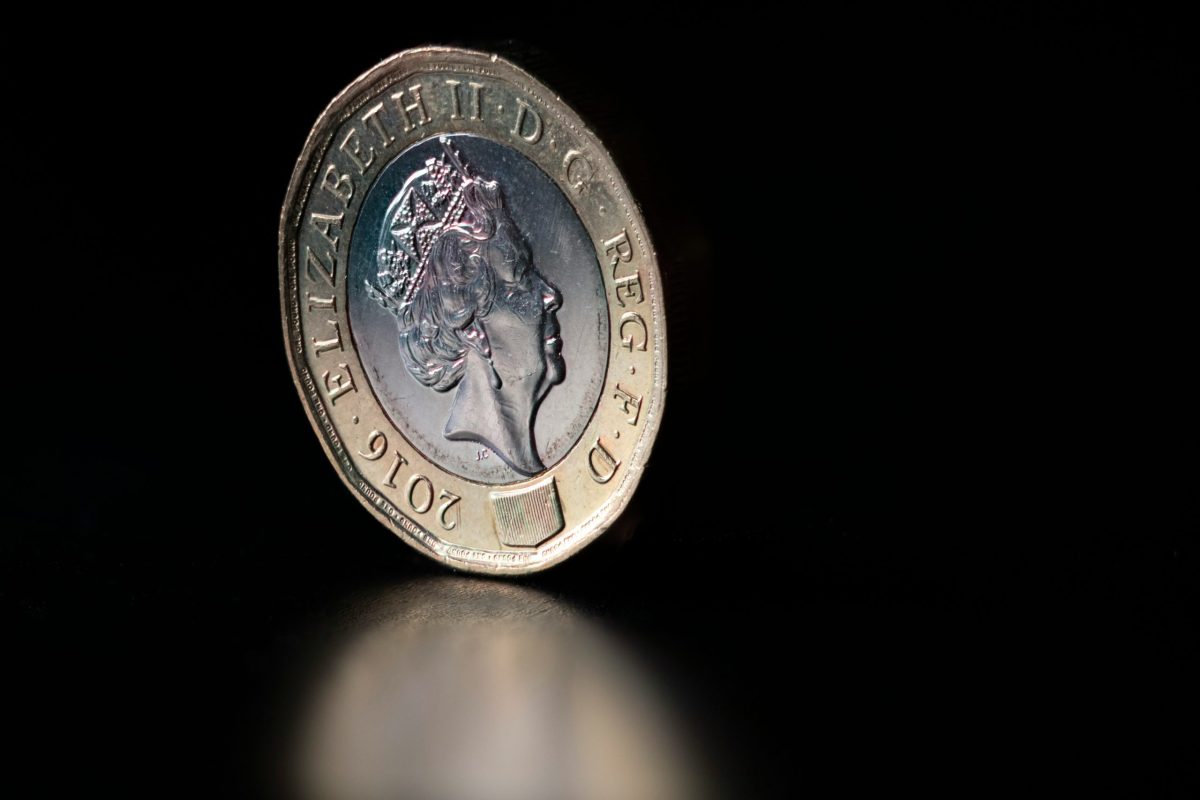

The UK could be nearing a pivotal moment in its exploration of a digital pound, as the design phase concludes in 2026 with expected publications of a blueprint and a decision on whether to proceed further
This is according to the government’s newly released Payments Forward Plan, which states that the Bank of England and HM Treasury will wrap up the design phase for a potential “digital pound” in 2026 and announce whether to move forward with it.
This central bank digital currency (CBDC), often dubbed the ‘Britcoin’, would essentially be a digital form of cash issued directly by the Bank of England.
Unlike cryptocurrencies such as Bitcoin, which are volatile and decentralised, a digital pound would be stable, backed by the central bank, and designed primarily for everyday retail payments.
The focus this year is on finalising a blueprint that details its design, potential benefits, and feasibility. No final go-ahead has been given yet – the current phase is all about exploration and assessment. If approved, it could pave the way for implementation in the coming years, though exact timelines beyond 2026 remain unclear.
Why a digital pound now?
The push stems from broader goals in the UK’s National Payments Vision, which aims to create a ‘world-leading payments ecosystem’ powered by next-gen tech.
Proponents argue that a CBDC could make transactions faster, cheaper, and more inclusive, especially in a cashless society where digital payments already dominate. For instance, it could enable seamless point-of-sale payments using phone numbers or QR codes, as tested in the Bank of England’s Digital Pound Lab.
It also addresses the rise of private digital monies like stablecoins, which the plan regulates to ensure stability and consumer protection. By offering a public alternative, the digital pound could prevent over-reliance on tech giants or foreign CBDCs, like China’s digital yuan, which is already in use.
But it’s not without controversy. Critics worry about privacy risks, as a central bank-issued digital currency could potentially track transactions more easily than cash. There’s also the question of financial stability: If people shift en masse from bank deposits to a digital pound, it might strain traditional lenders.
What does this mean for physical cash?
The Bank of England has repeatedly emphasised that a digital pound would ‘complement physical cash’, not replace it. In fact, the design phase includes safeguards to ensure cash remains available, particularly for those who rely on it, like the elderly or unbanked populations.
Usage of physical money has been declining in the UK for years, with contactless and mobile payments surging post-pandemic. A digital pound could accelerate that trend by offering a secure, instant alternative for small transactions.
However, the government has committed to protecting access to cash through legislation, such as requirements for banks to maintain ATMs and accept notes.
If the decision goes ahead in 2026, it could signal the start of a hybrid era: Cash for anonymity and tangibility, digital pounds for convenience and innovation. But if scrapped, the UK might lean more on private solutions like stablecoins, which the plan is also advancing with new rules expected this year.