The carmaker behind Peugeot, Fiat, Jeep, and Citroën has driven off a cliff – shares crash 28% after failed EV bet

Shares in Stellantis, the automotive giant behind brands like Peugeot, Fiat, Jeep, and Citroën, plunged as much as 28% on Friday (6 February), 2026, wiping billions off its market value.
The dramatic sell-off came after the company announced a staggering €22.2 billion (£19.2 billion) in charges for the second half of 2025, primarily tied to a ‘reset’ of its electric vehicle (EV) strategy.
Adding to the woes was a double whammy: not only did the stock crater, but Stellantis also suspended its dividend payments for 2026, signalling deeper cash flow concerns amid a broader industry slowdown.
The charges stem from what new CEO Antonio Filosa called an overestimation of ‘the pace of the energy transition’, which left Stellantis out of step with consumer demand.
Of the total writedown, €14.7 billion relates to scaling back EV product plans, reflecting slashed expectations for battery-electric vehicle (BEV) sales – particularly in the US, where new emissions regulations and shifting buyer preferences have forced a rethink.
Another €6.5 billion will come as cash outflows over the next four years, adding pressure to an already strained balance sheet. As a result, Stellantis now forecasts a net loss of €19-21 billion for H2 2025, with full-year results due on 26 February and a new strategic plan unveiling at an investor day on 21 May.
Is the EV party over? Or are the cars just ugly?
This isn’t an isolated incident – Stellantis joins Ford, GM, and others in dialling back aggressive EV bets amid cooling global demand.
But for a company formed from the 2021 merger of Peugeot’s PSA Group and Fiat Chrysler, the fallout feels particularly acute. Shares, already down 25% in 2025 and over 40% in 2024, have now shed another 13% year-to-date in 2026, trading at multi-year lows around €6-7.

Analysts at UBS noted the “magnitude of the kitchen sinking” justifies the market’s harsh reaction, with 2026 guidance implying cash burn and 2027 outlook remaining “highly uncertain” due to pricing pressures.
Russ Mould (Investment Director at UK platform AJ Bell) captured the sentiment in a note: Stellantis placed a “miscalculated bet” on EVs, admitting it got the transition speed wrong. Traditional barriers to EV adoption, like high prices, sparse charging infrastructure, and range anxiety, persist for many drivers, Mould argues.
Yet, these issues are easing: EV prices are dropping (thanks to economies of scale and subsidies), charger networks are expanding rapidly (e.g., the UK’s push toward 300,000 public points by 2030), and battery tech is advancing, with average ranges now exceeding 300 miles on many models.
Mould points to Chinese giant BYD as a counterpoint: despite similar market headwinds, BYD has thrived, overtaking Tesla in global EV sales in Q4 2025 with affordable, appealing models.
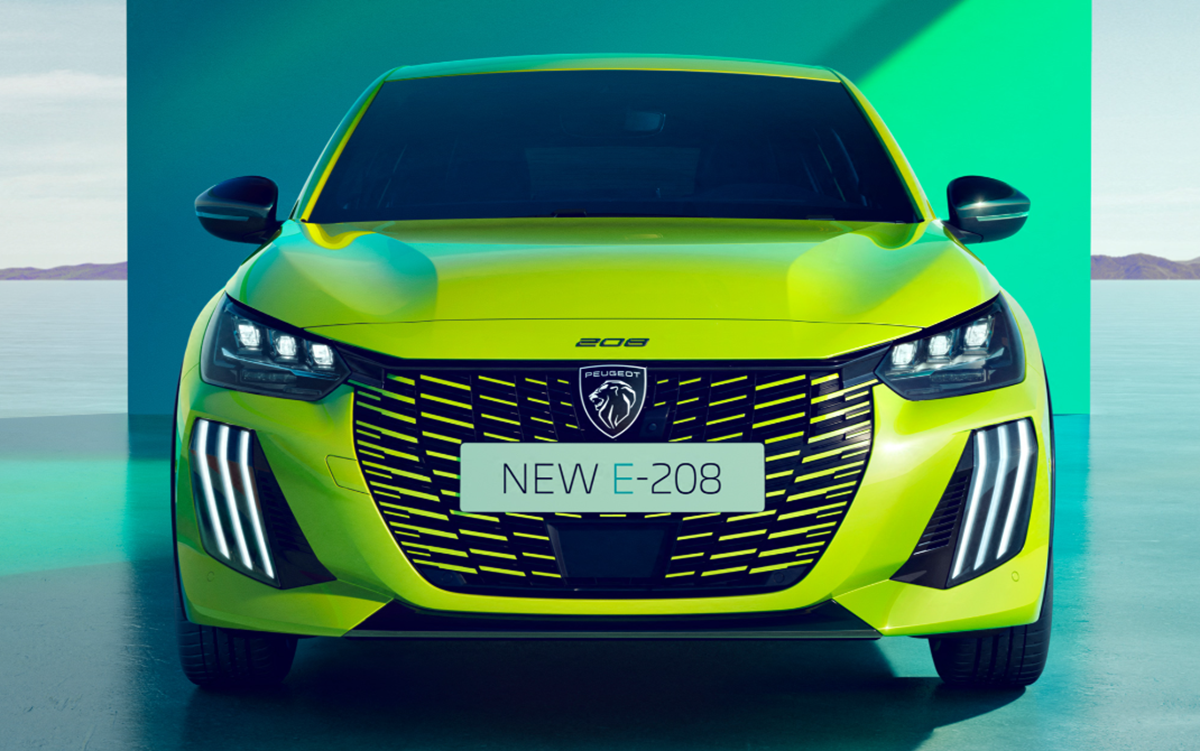
This success “suggests there are plenty of people willing to take the leap,” raising a pointed question: Is Stellantis’ EV slump truly about broader market issues, or do consumers simply not like its vehicles? Stellantis’ lineup, including Peugeot’s e-208 and Fiat’s 500e, has faced criticism for uninspiring designs, higher pricing compared to rivals, and slower rollout in key markets like North America.
For Peugeot loyalists and Stellantis shareholders alike, this cliff-edge moment underscores the risks of betting big on an uneven EV revolution. As Mould at AJ Bell implies, the real fix might lie not just in market timing, but in making cars people actually want to buy—electric or otherwise.