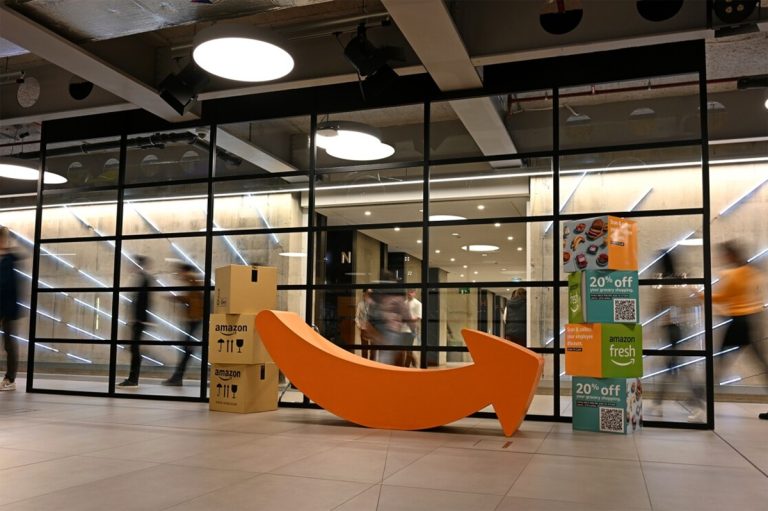
UK households hammered by rising food prices for the sixth month in a row


New data published by the British Retail Consortium shows British families facing mounting pressure as shop price inflation increased to 0.7% year on year in July, against growth of 0.4% in June.
Food inflation increased to 4% year on year in July, against growth of 3.7% in June. This is above the three-month average of 3.5%. By comparison, non-food inflation increased to -1.0% year on year in July, against a decline of -1.2% in June.
“Families will have seen their food bills increase as food price inflation rose for the sixth consecutive month,” said Helen Dickinson, Chief Executive of the BRC.
Staples such as meat and tea were hit the hardest as wholesale prices for both categories have been hit by tighter global supplies, which has helped push up overall shop prices, she said.
Dickinson noted that there were a few bright spots, with discounts in fashion and furniture offering consumers a chance to refresh their wardrobe and homes.
“If the government wants to support struggling families, it must think carefully about the next Budget. Retailers are doing everything possible to protect their customers from the worst of the inflationary pressures, but the £7 billion cost to retail of last year’s Budget forced most retailers to raise prices.
“Further tax rises will ultimately hurt households, locking in inflation and forcing people to pay higher prices to put food on the table,” she said.
These concerns were echoed by Mike Watkins (Head of Retailer and Business Insight at NIQ), who notes that consumers’ household budgets are coming under pressure with the food retailers now seeing price increases above CPI.
“However, price competition helped by promotional activity will still mean that shoppers can save money by shopping around. With inflation on the up, high street retailers will also be concerned about customer retention over the summer holiday season if they are to maintain sales momentum,” he said.