UK to decriminalise rough sleeping
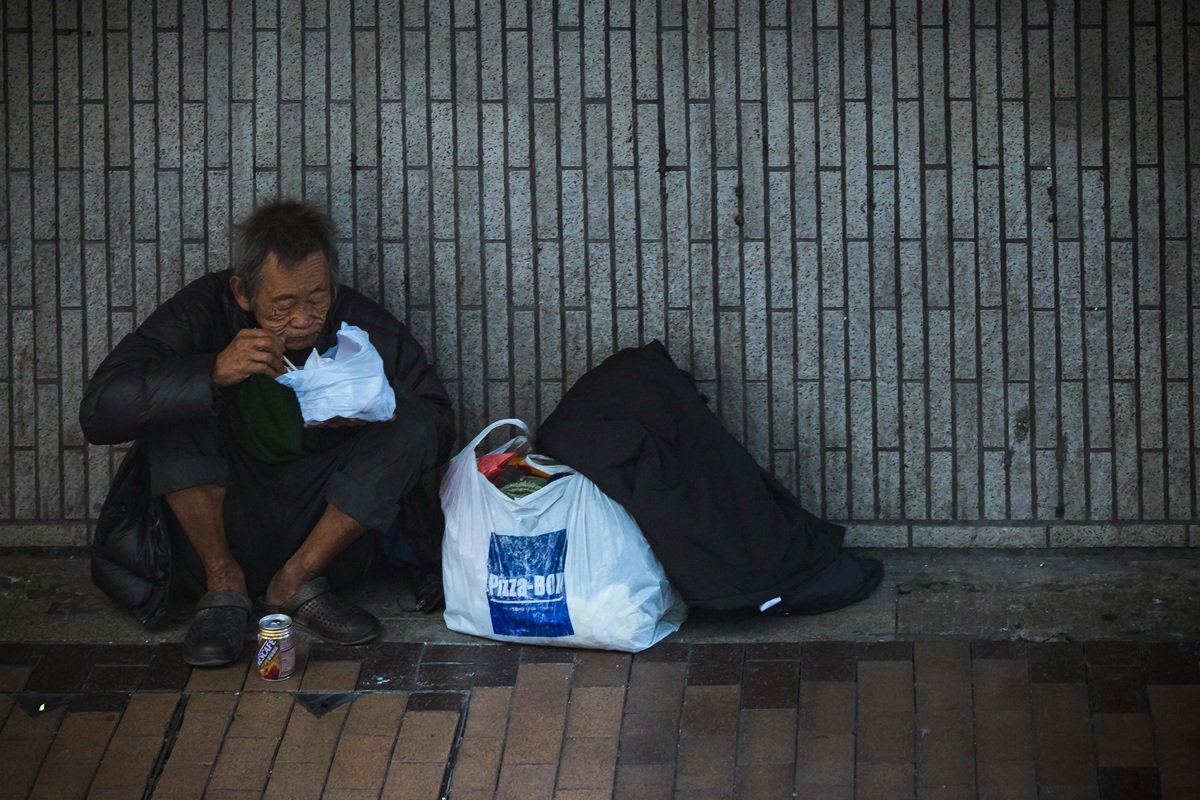

After 200 years, rough sleeping will no longer be a crime as the Government confirms it will formally scrap the Vagrancy Act by Spring 2026.
The Act was introduced in 1824, towards the end of the Georgian era, to deal with rising homelessness, which increased after the Napoleonic Wars and the Industrial Revolution.
While the use of the Act against rough sleeping has significantly declined over the years in line with modern attitudes and greater understanding around the causes of homelessness, it remains enforceable in law.
The Government will be repealing the Act to ensure rough sleeping is no longer a criminal offence, as it concentrates its efforts on getting to the root causes of homelessness, backed by major funding.
The Ministry of Housing, Communities and Local Government (MHCLG) said it has boosted funding for homelessness services by an extra £233 million this financial year, bringing total investment for 2025-26 to nearly £1 billion. This support will prevent more families from entering temporary accommodation and tackle rough sleeping head-on, it said.
Deputy Prime Minister Angela Rayner said she is also developing a new homelessness strategy with other government departments and mayors and councils, who all play an important role in prevention and frontline support. This strategy will be published later this year.
“We are drawing a line under nearly two centuries of injustice towards some of the most vulnerable in society, who deserve dignity and support,” said Rayner.
“No one should ever be criminalised simply for sleeping rough and by scrapping this cruel and outdated law, we are making sure that can never happen again.”
Repealing the Vagrancy Act was first announced in 2022, but it was not formally confirmed when it would be removed from the law. This Government has now taken the decisive action to complete it within one year, by Spring 2026.
Police forces across England and Wales use the powers in the Anti-Social Behaviour, Crime and Policing Act 2014 to effectively tackle antisocial behaviour in the context of begging and rough sleeping, for example, where an individual may be harassing members of the public.
The Home Office will be updating the statutory guidance to ensure it is clear to agencies how antisocial behaviour powers could be used in this context if an individual’s behaviour reaches that threshold. Government amendments to the Home Office’s Crime and Policing Bill will also be published shortly.