The end of the US dollar as we know it
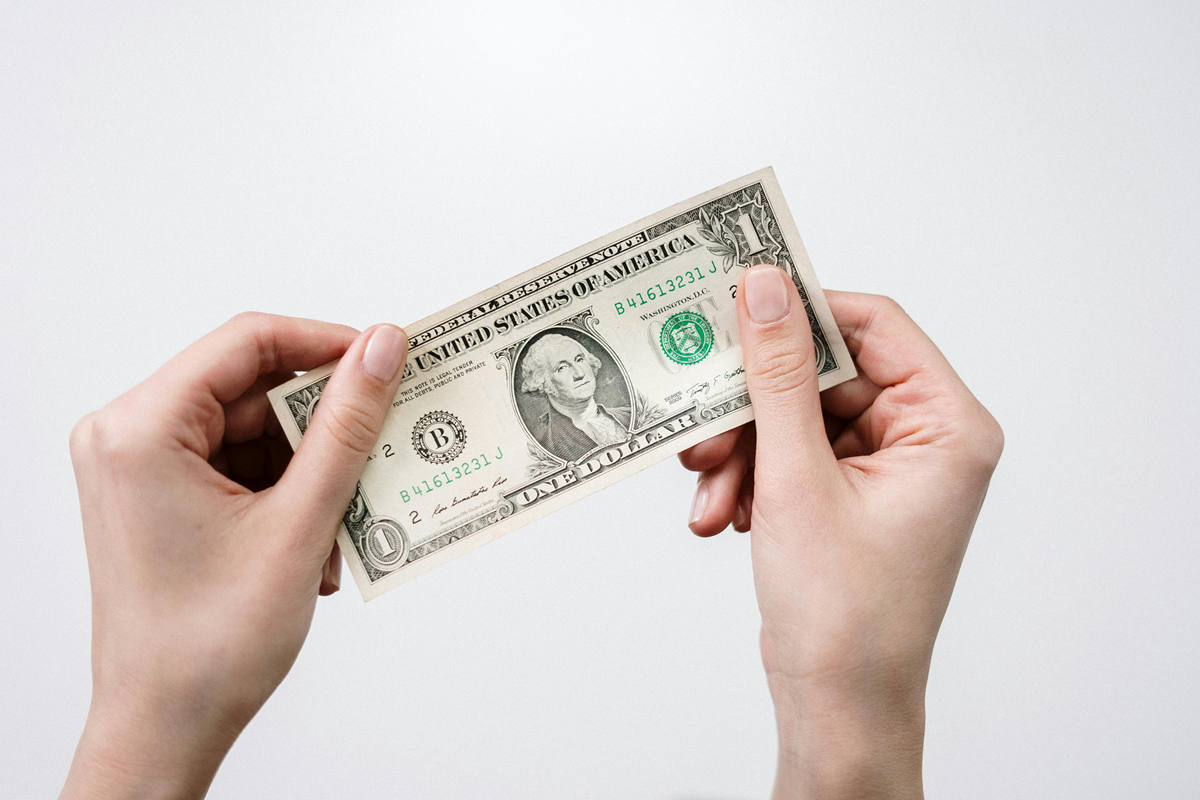

The recent decline in the value of the US dollar has sparked debate as to whether it will continue to act as the world’s reserve currency and prop up the US as a global power.
While the dollar itself is likely not going anywhere, the decline does
signal a significant but not existential change, say analysts at wealth management firm JP Morgan.
In its mid-year outlook, the firm notes the US dollar has long served as the world’s reserve currency, and for good reason. “The United States commands the largest and most stable economy in the world, and the deepest and most liquid financial markets,” it said.
“It has a well-established and consistent rule of law, strong institutions, fair and free elections, open and transparent political processes, relatively consistent regulatory and tax regimes, and a culture of innovation and entrepreneurship. The US military provides the security backbone that underpins the global economic system.”
The dollar as a reserve currency
However, every reserve currency, from the Spanish galleon to the British pound, has eventually lost its primacy. Today, the dollar seems to face more potential downside risks than it has in decades, JP Morgan said.
It added that since the start of the year, the dollar has lost value relative to every other major currency.
“Tariff rollouts and trade policy uncertainty are parts of the story. But investors are also concerned about the US fiscal outlook amid potential Congressional legislation that could substantially increase the budget deficit,” it said.
“The risk for markets is that U.S. policymakers repeat the mistakes of Latin American leaders such as former Argentinian President Juan Peron: protectionism, lack of central bank independence and a broader disregard for macroeconomic stability.”
“Ironically, many Latin American economies have made substantial progress in these areas, just as market participants are increasingly questioning US economic credibility.”
The end of the dollar as you know it
JP Morgan’s analysts now believe those risks will manifest in more erosion of the dollar’s value, and not a sudden collapse.
Today, the dollar makes up 60% of foreign exchange reserves, 65% of international debt and nearly 85% of SWIFT trade finance settlements.
“Network effects are powerful; moving to a new medium for international trade and financing likely would not occur quickly. The second most used currency, the euro, accounts for just 6% of SWIFT settlements,” the firm said.
As a result, the primacy of the dollar seems durable, but at the margin, investors may be shifting their perceptions of the dollar’s value, JP Morgan said.
“Nearly 70% of investors surveyed think the dollar is ‘overvalued’, and a net 61%, the highest share since 2006, expect it to continue to depreciate. Our base case is that the dollar loses a few more percentage points by the end of the year against major currencies, with risks tilted to the downside.”