The UK broadband sharing law that almost no one uses
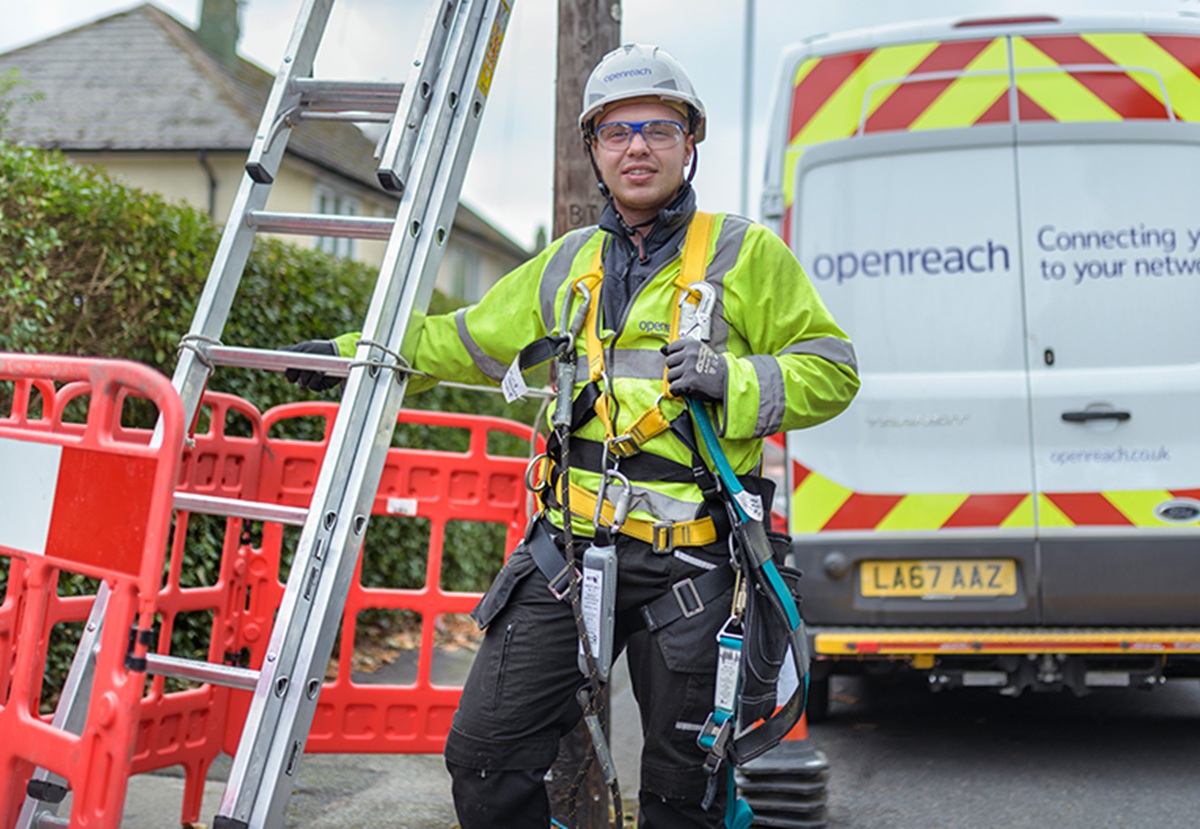

The government has confirmed that it will keep a broadband infrastructure-sharing law, despite the fact that firms rarely use the tool.
The Department for Digital, Culture, Media & Sport published its post-implementation review of the Communications (Access to Infrastructure) Regulations on Tuesday (24 November), and confirmed that it will retain the law without substantive changes.
The regulations effectively give broadband and mobile operators the right to request information about ducts, poles, and other physical infrastructure, as well as carry out surveys and seek access on fair and reasonable terms.
Importantly, the regulations also allow operators to coordinate civil engineering works and take disputes to telecoms regulator Ofcom, with any appeals going to the Competition Appeal Tribunal.
The law implemented the EU’s Broadband Cost Reduction Directive, which aimed to cut the cost of building networks through greater use of existing infrastructure.
Despite this push to allow sharing, the government’s survey of 90 organisations shows only one respondent reported making a formal request since the previous review in 2021, while two firms reported receiving a request.
More than half of respondents (54%) reported no engagement with the regulations at all over the period, even though 92% said they knew about them.
Three respondents considered making a formal request but did not go ahead, and others referred to the law during negotiations without making one.
Openreach does the heavy lifting
Openreach’s Physical Infrastructure Access (PIA) product lets rival networks use BT’s ducts and poles, and it was the most common way respondents gained access to infrastructure.
Respondents also named Openreach PIA as the main reason they had not used the regulations.
Other reasons included the price of access, legal and administrative costs, a lack of business need and commercial deals that met their requirements.
KCOM runs its own PIA product in Hull, while members of the Independent Networks Co-operative Association have a voluntary infrastructure-sharing agreement.
Respondents who had used the law still reported difficulty working out who owns infrastructure, getting enough information about it and negotiating terms or price.
By 2021, 22 of the 27 EU member states had set up a Single Information Point covering existing infrastructure held by public bodies. Nearly all of these systems went beyond the EU’s minimum requirements by including information from network operators.
The UK did not create an equivalent national information point under the Regulations, relying instead on existing arrangements.
Finland, Spain and Hungary extended access obligations to publicly owned assets, while Denmark and Hungary covered rooftops and street furniture to support 5G rollout.
The government said the broader regimes elsewhere did not prove that adopting them would make the UK framework more effective.