UK energy bills to rise by 26% from January 2027


Ofgem announced on Wednesday 25 November that the energy price cap will increase by 26% from 1 January 2027.
The energy price cap sets the maximum energy price companies are allowed to charge consumers in the UK, and it is updated every three months to reflect the underlying costs of supplying energy.
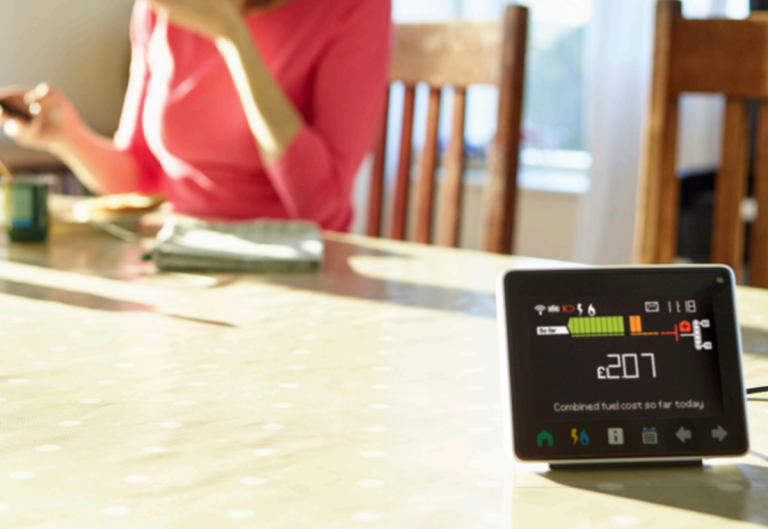
This significant increase in energy bills will lead to a typical UK household’s annualised energy bill increasing from £1,723 to £2,166.
The regulator said the increase is a direct result of the continued conflict in the Middle East pushing up international gas prices, with gas prices increasing more than electricity prices.
The energy price cap affects around 20 million households in the UK that are on standard variable tariffs. There are 10 million households in the UK who are on fixed tariffs who will not be affected by this increase in the price cap while their fixed deal remains in place.
“Conflict in the Middle East continues to drive energy costs higher, and we know this price increase will be a worry for many households as winter approaches.,” said Ofgem Director General for Markets Neil Kenward.
“We urge anyone who is struggling to afford their energy bills to reach out to their supplier, who must offer appropriate support and advice – we are writing to suppliers today to remind them of their obligations and ensure they are ready to provide that support.”
To help offset rising energy bills, the UK government has announced that around 20 million households in council tax bands A to D will receive £100 towards their energy bill from January.
Switching before it’s too late
Consumers who are currently on a standard variable tariff may still be able to switch to a fixed-tariff deal which is priced below the cap, allowing them to avoid the worst of the increase.
Uswitch director of regulation Richard Neudegg has urged British consumers to switch to fixed energy deals before the cap takes effect to shield themselves from the brunt of the energy shock.
“This is a very serious situation. Households need to act now to avoid the worst of this winter, as gas rates head for their highest ever level,” Neudegg said.
“This is no longer the time to wait and see. If you’re on a standard tariff, you will be exposed to the full increase and need to act before January to limit the damage.”
“Switching to a well-priced fixed deal is the only effective way to avoid paying these rates.”
The cheapest fixed-tariff energy deal could save an average of £412 against the January price cap, although it is important to note that bills vary depending on location and usage.
Neudegg advised households to reach out to their suppliers if they are worried about paying their bills, as they will be able to advise on payment plants or support schemes.