Brits told to keep £50 in cash at home in case ATMs go down
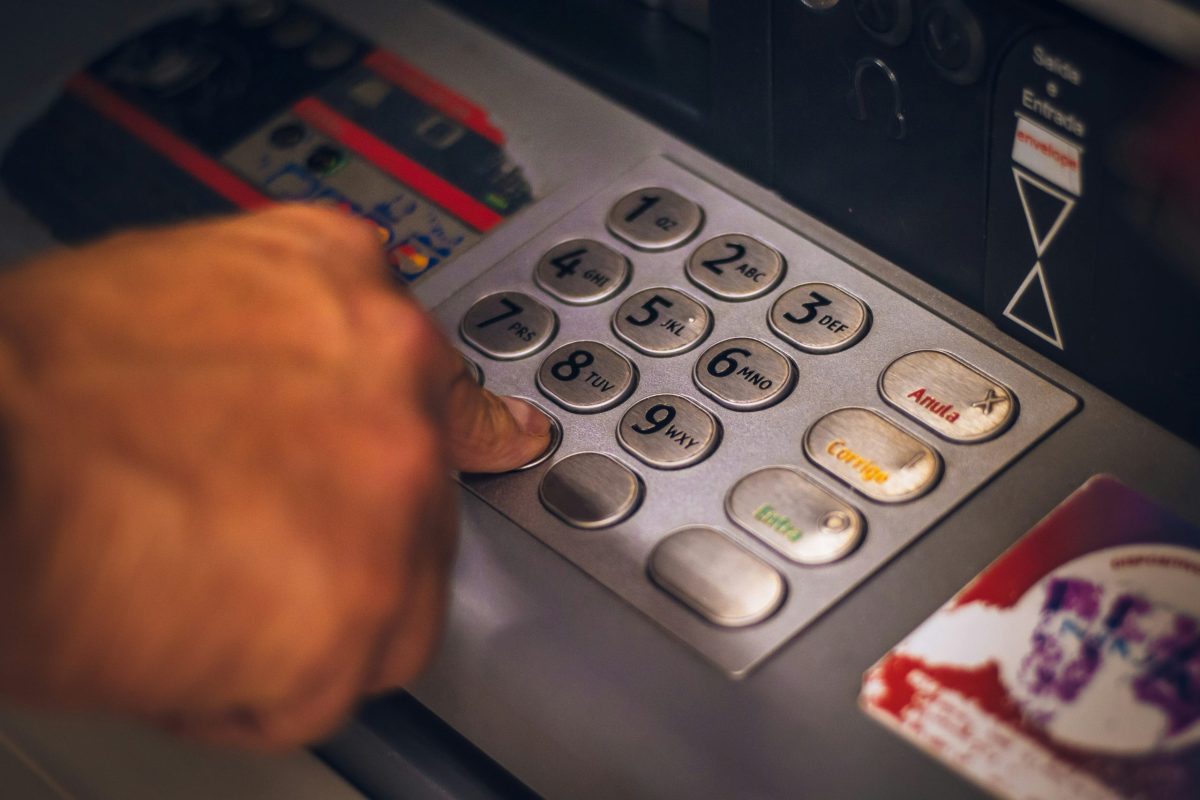

The United Kingdom’s largest cash machine network LINK has suggested that Brits keep small amounts of cash on them in the event that an attack takes down key payment networks.
The suggestion was included in a House of Lords National Resilience Committee published on Monday (16 November), which considered the UK’s resilience in the event of both major power and communication breakdowns.
LINK recommended keeping sufficient cash for three to four days in case ATMs were unavailable during power outages, suggesting £50 per adult and £25 per child.
“LINK believes that should the government consider it necessary to issue emergency guidance then cash should be included, not only to encourage people to have enough cash available to last them three to four days, but also to encourage stores and other service suppliers to have contingencies in place so that they are able to accept cash payments in the event of a power / telecommunications failure,” the group said.
“Such guidance should be issued well before a crisis is imminent and couched in such a way to avoid a rush to collect food, cash etc and the resultant strain on normal supplies.”
It added that there are a wide range of plausible if unlikely short-term events which could lead to a widespread or national loss of power.
Cash remains an important payment instrument in the UK, accounting for 4.4 billion payments in 2024. LINK’s most recent research shows that 61% of people have used cash in the past two weeks, supermarkets (22%) and convenience stores (19%) being the most popular locations, ie cash is being used to access essentials, in particular food.
“Ignoring barter and alike, cash is a unique payment instrument in that in itself it requires no power or other external resource in order to function, either as a medium of exchange or a store of value. This means it can be used during the initial three-to-four-day period to enable people to pay for essentials,” the group said.
“However, in order to accept cash many, if not most, retail locations now use payment systems which rely on electrical power, eg tills, stock management and scanning systems, plus in-store infrastructure such as lighting, air conditioning, power operated doors and security systems. In addition, ATMs themselves need power to distribute cash.
“Therefore, without some element of planning and pre-emptive action cash is unlikely to function as an effective and widespread payment system in the event of any risk which resulted in a loss of power.”
Questions over whether three days is enough
Minister Angela Eagle told the committee that the government advises households to keep a 72-hour supply of essentials, including food, water, batteries and medicines.
However, several witnesses appearing before the Committee questioned whether the UK’s official 72-hour preparedness baseline was sufficient or achievable for all households. Neil Cameron (Emergency Planning Officer at Aberdeenshire Council) warned that ‘cost may be a factor for some and prohibit their preparedness and resilience’, and noted that power disruption during Storm Arwen lasted ‘for some up to 10 days’
Evidence from researchers at the University of Strathclyde also noted that, following a GB-wide power system collapse, the new restoration standard allows up to five days for full demand to be restored.
The Committee pointed to Finland as an example, where the 72-hour figure is not intended to cover the whole of a disruption.
Instead, households are asked to hold three days of supplies on the basis that they would then be able to buy a further three days of food in stores.
The guidance is to keep a rolling buffer of three days of the things a household normally uses, so that nothing goes out of date. A yearly survey found that around half of Finns hold three days of stock in line with the guidance.