£600-million AI package coming in this week’s Budget

Key Points
- Healey’s Budget includes over £600 million for AI security, chips and research
- A £100 million AI Biosecurity Lab gets up to £200 million in OpenAI and Anthropic credits
- £10 million per year will fund research into AI’s impact on UK jobs
- Edinburgh gets chip design capability and Manchester a new AI cyber centre
- AI already analyses a third of NHS chest X-rays
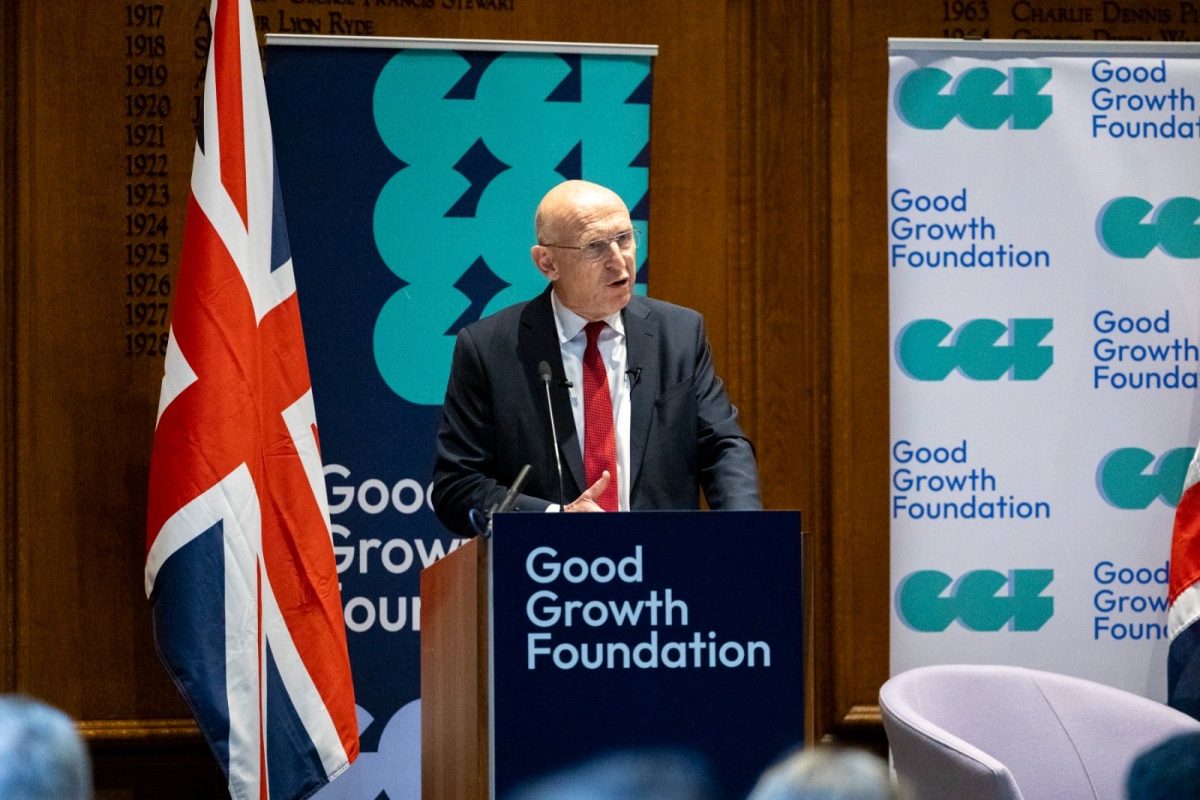
Chancellor John Healey will put over £600 million into AI security, chip design and jobs research in his Budget, the government has announced.
The package, which was confirmed on Saturday (24 October), aims to protect the UK from AI-enabled threats while cutting the country’s reliance on technology built overseas.
Healey will also commit £10 million per year to studying how AI will reshape jobs and industry across Britain, responding to worker concerns about AI replacing roles.
“I understand and share the concerns of working people, so I am setting out a distinctively British approach to AI – one that doesn’t leave workers behind and defends our national interest, while ensuring the benefits of AI-enabled growth are felt right across the country,” said Healey.
New lab backed by OpenAI and Anthropic
The largest single commitment is £165 million for a National AI Biosecurity Initiative, which includes £100 million for a new AI Biosecurity Lab.
The lab will use AI to detect and track biological threats, while a further £65 million will go towards bio surveillance and medical countermeasures for priority pathogens.
OpenAI and Anthropic will provide up to £200 million in AI model credits to the lab, and the government has also lined up partnerships with Google DeepMind and London-based Basecamp Research.
“Our new AI Biosecurity Lab will be a major new global institution, bringing together world-leading scientific expertise to protect people from emerging biological threats and ensure Britain leads the world in AI safety and security,” said AI Minister Kanishka Narayan.
The government will put the rest of its security funding into three areas:
- £120 million for the AI Security Institute to test new AI systems and develop technical standards
- £60 million for a National Cyber Shield using agentic AI, including a £25 million challenge fund for UK AI and cyber security firms
- £70 million for a new National Exposure and Real-Time Vulnerability Centre, which will use AI to find weak spots in critical infrastructure
Chips, startups, and Manchester
Healey will add £60 million to the Sovereign AI Fund so it can invest directly in UK AI companies, with a new focus on robotics, autonomous systems and advanced manufacturing.
A further £60 million will go to Sovereign AI’s R&D Procurement Scheme, which buys AI solutions for problems in health and care and AI security.
The government will spend £18 million on a new UK Advanced Chip Design Academy, alongside new chip design capability in Edinburgh.
Manchester will host a new National Cyber Security Centre AI Cyber Security Centre of Excellence to train government cyber and AI experts.
Mayoral Strategic Authorities will share £30 million to run local AI partnerships with councils, businesses, universities and colleges.
The package also includes a £15 million AI Challenge Prize, with the first award going to firms using AI to solve health problems.
The AI Economics Institute will receive an extra £23 million over three years to research how AI affects productivity, jobs and living standards in the UK.
AI already in the NHS and HMRC
The government said the NHS now uses AI to help clinicians analyse over 210,000 chest X-rays each month, around a third of all NHS chest X-rays.
This has increased suspected lung cancer cases identified within 24 hours by 11.5%, and cut the average wait for follow-up CT scans from 6.3 days to 5.6 days.
HMRC’s AI assistant, Ask HMRC, handled around 6.3 million customer interactions in 2025-26, freeing up roughly 400 full-time equivalent work hours.
“This is a strong £600m+ package focused on AI adoption, trust and security, investment and AI’s impact on jobs and society,” said Julian David, CEO of techUK.
“This week we’ve had a stark reminder that AI exposes some of our digital world’s weaknesses and brings new ways of exploiting them to those who’d do us harm,” said Ciaran Martin, former CEO of the National Cyber Security Centre.