Cheaper food and energy on the table for Britain in Brussels


Key Points
- UK-EU summit takes place in Brussels on 20 November
- Northern Ireland wholesale energy costs could fall 20%
- Deal would scrap export health certificates costing up to £200
- Burnham says the package adds over £10 billion a year by 2040
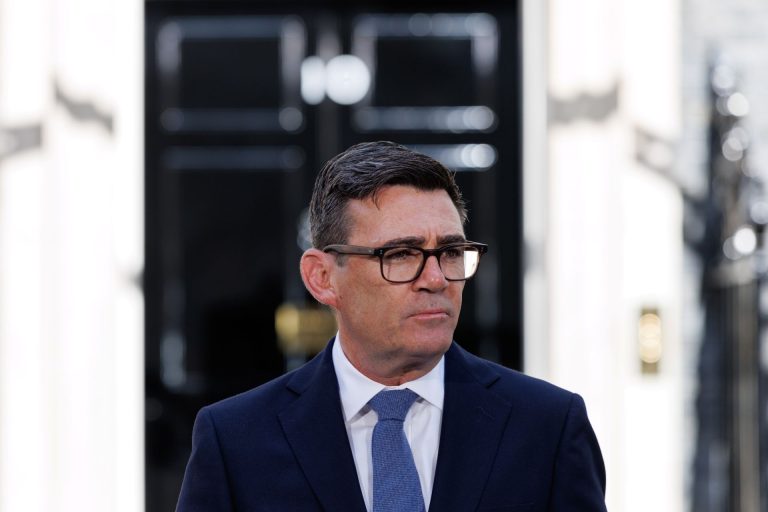
Prime Minister Andy Burnham said a new UK-EU deal could cut Northern Ireland’s wholesale energy costs by 20%.
Burnham told the House of Commons on 12 October that the UK-EU summit will take place in Brussels on 20 November, after a meeting with European Commission President Ursula von der Leyen in New York.
The deal covers a trade agreement on food and drink products, an emissions trading deal, progress towards linking UK and EU energy systems, a new youth experience scheme and deeper cooperation on immigration.
Burnham said the package would add the equivalent of over £10 billion a year to the UK economy by 2040. “For households, it will ease the pressure on prices in the supermarket,” said Burnham.
The summit follows the first UK-EU summit in London in May 2025, where both sides agreed to work towards a food and drink deal, linked carbon markets and a youth experience scheme.
Paperwork costs for food exporters
UK farmers and food producers currently face border costs of up to £1,400 on a single shipment, Burnham said. Small businesses pay up to £200 for each export health certificate, which the deal would scrap entirely.
Scottish salmon, the UK’s largest food export, faces document checks on every shipment at the EU border. Burnham said these checks cost the UK around £100 million in lost exports.
The EU currently bans British burgers and other fresh meat products, along with seed potatoes from Scotland and shellfish from Wales.
“At present, entire truckloads of plants or fresh produce can be destroyed because of a single missing stamp or a minor paperwork delay,” said Burnham.
Energy bills
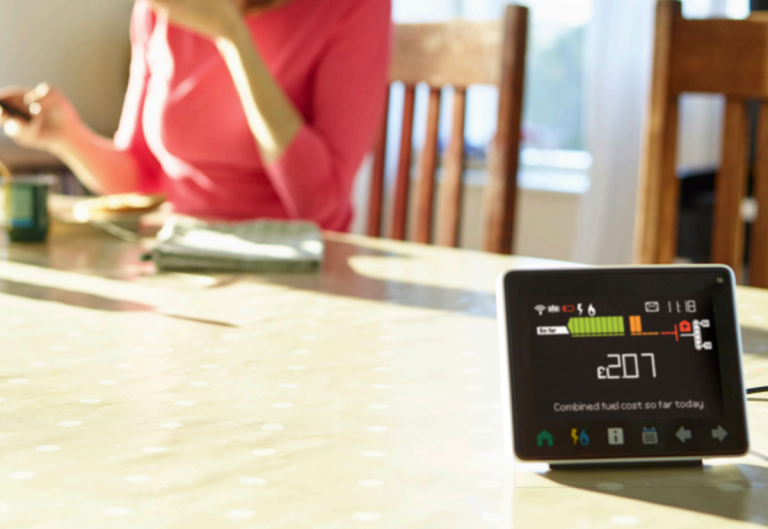
Burnham said the proposed energy deal could help lower energy costs for households and businesses across the UK. Northern Ireland stands to benefit most, with the 20% cut to wholesale costs.
The immigration element would see the UK share more data and criminal records of foreign nationals with EU law enforcement. It would also give UK authorities faster access to electronic evidence from the phones of people behind smuggling gangs.
Burnham said he would also use the summit to raise UK concerns about the EU’s Made in Europe policy.
He added that the government would open a dialogue on the UK’s long-term relationship with the EU after the summit.
“At every stage, the British public will be the boss,” said Burnham.