UK firms to build AI drone swarms using Ukraine’s war data
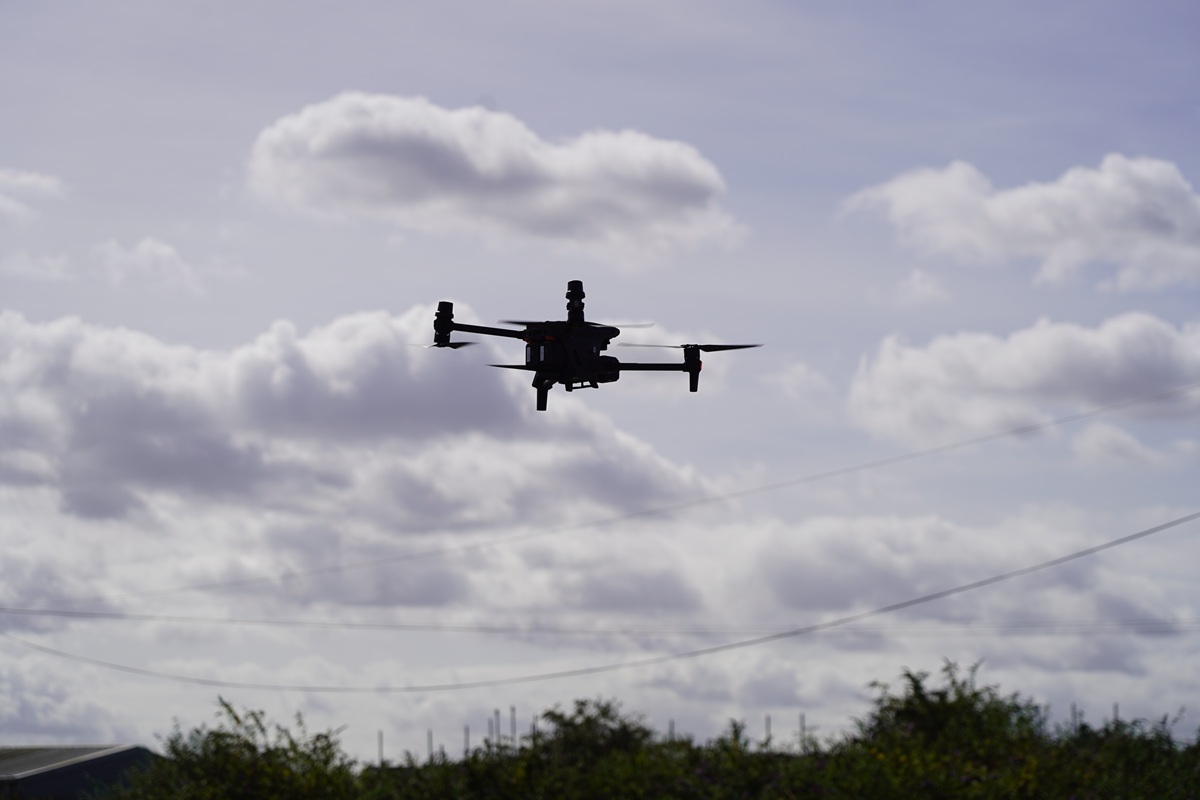

Key Points
- The MOD will give up to 12 UK firms access to Ukraine's Avengers AI Labs data
- The database holds over 6 million detections of tanks, artillery, infantry and drones
- Firms will build AI models for drone swarms that work without GPS or stable comms
- The MOD will pick the companies within weeks, with work starting soon after
- The UK also announced a new AI and Autonomy partnership with the US
The Ministry of Defence (MOD) will give up to 12 UK companies Ukraine’s battlefield data to build AI drone swarms.
The UK is the first international partner to gain access to Ukraine’s Avengers AI Labs, following a deal between Prime Minister Andy Burnham and President Volodymyr Zelenskyy in Kyiv. The MOD announced the competition on 25 September.
The database holds imagery and video that uncrewed aerial systems captured over Ukraine using daylight and thermal sensors. Ukraine uses it to develop, train and evaluate AI models.
It contains sensor data from over 6 million detections of objects, including tanks, artillery, air defence systems and infantry. It also covers aerial targets such as Shahed drones and reconnaissance drones.
The MOD is now inviting UK companies to submit proposals for how they would use the data to build AI models for the next generation of battlefield drones. Each proposal must meet both Ukrainian and British defence requirements.
The ministry said it would select the companies within a matter of weeks and expects work on the data to begin soon after.
The MOD wants proposals covering one or more of the following areas:
- Autonomous target recognition, which uses AI to detect, classify, prioritise and track objects in complex and contested environments
- Distributed decision-making, which lets multiple autonomous systems change routes, priorities and behaviours without relying on a single point of control
- Adaptive mission execution, which helps multiple systems coordinate their actions when communications are limited and control is decentralised
- Collaborative sensing and information fusion, which shares and combines data across platforms and sensors to improve situational awareness
How the swarms work
Drone swarms can fly, swim or drive on their own, using AI to work together, identify threats and targets, and reach decisions. The MOD said these systems would always operate with appropriate human involvement.
This would let a small number of sailors, soldiers and aircrew direct large numbers of drones at once. The ministry listed tasks ranging from resupplying troops to precise targeting of enemy capabilities and hunting submarines in the North Atlantic.
The competition could produce models that keep swarms working when communications degrade or satellite navigation becomes unavailable.
“This world-first access to real battlefield data will allow British companies to continue pushing the frontier of defence innovation, deterring our enemies and making us safer at home as well as further strengthening Ukraine,” said Wes Streeting, Defence Secretary.
“It is exactly the kind of practical partnership the Taskforce was set up to drive, supporting our ally Ukraine while strengthening sovereign capability here in Britain,” said Kanishka Narayan, AI Minister.
The MOD’s Taskforce RAID (Rapid AI Delivery) is leading the work alongside the Prime Minister’s AI Taskforce. This is the first competition under the UK-Ukraine AI Partnership, which forms part of the two countries’ 100 Year Partnership.
Burnham also announced a new AI and Autonomy partnership with the US at the UN General Assembly in New York. The MOD said the collaboration w