UK will keep recognising countries that disappear under the sea

Key Points
- UK will keep recognising countries that lose land to rising seas
- Minister Chris Elmore announced the policy shift at the UN
- UN adopted its first membership-wide declaration on sea-level rise
- UK pledged £330 million to the Global Environment Facility
- Australia recognised Tuvalu's continued statehood in 2023
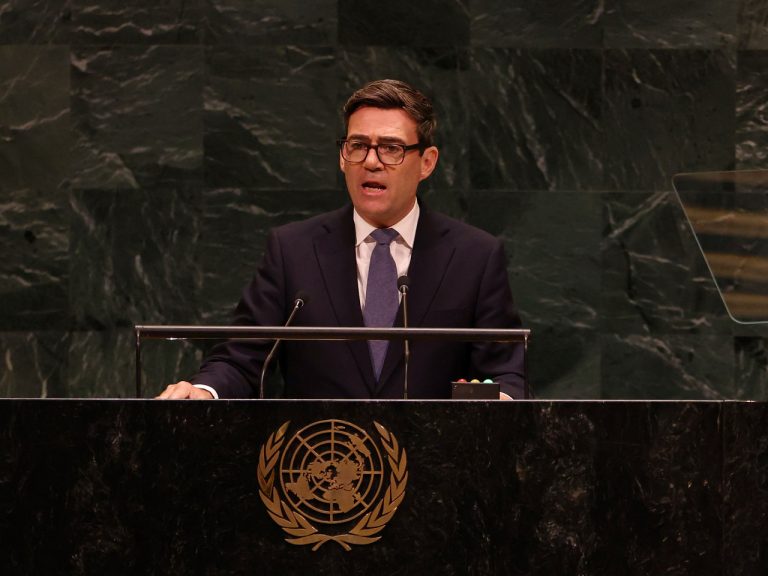
The UK will keep recognising countries that lose their land to rising seas, says the UK’s Minister for the Americas, Multilateral and Human Rights Chris Elmore.
Elmore set out the policy at the UN General Assembly in New York on 24 September, according to a statement published by the Foreign, Commonwealth and Development Office (FCDO).
“Whether a state lost some or even all of its land to sea-level rise, we will ensure we consider the circumstances in each case, including the wishes of the people of the affected state,” he said.
Elmore described the move as a significant change in policy, with continued recognition of statehood now the UK’s starting point.
The UK set out a narrower position at a UN legal committee meeting last year. It said its starting point was whether a state had a clearly defined territory, a population, a government in effective control and independence in foreign affairs.
The UK added at the time that other factors may be relevant, and noted strong support among other countries for keeping these states in existence.
Elmore announced the change as the General Assembly adopted the UN Declaration on Sea-Level Rise, the first political response to the issue backed by the entire UN membership.
Australia and Cabo Verde led the negotiations on the declaration as co-facilitators.
The declaration affirms a presumption that countries keep their statehood, sovereignty and UN membership even as rising seas change their land territory.
“The United Kingdom recognises the importance of the legal dimensions of sea-level rise, including continuity of statehood and maritime zones,” said Elmore.
Maritime zones determine which waters, fishing grounds and seabed resources a country controls under the UN Convention on the Law of the Sea.
Elmore also pointed to a £330 million UK pledge to the Global Environment Facility, which the Foreign Secretary announced this week.
The FCDO said the funding will increase support for small island nations and the world’s least developed countries, alongside work on cutting emissions and preventing biodiversity loss.
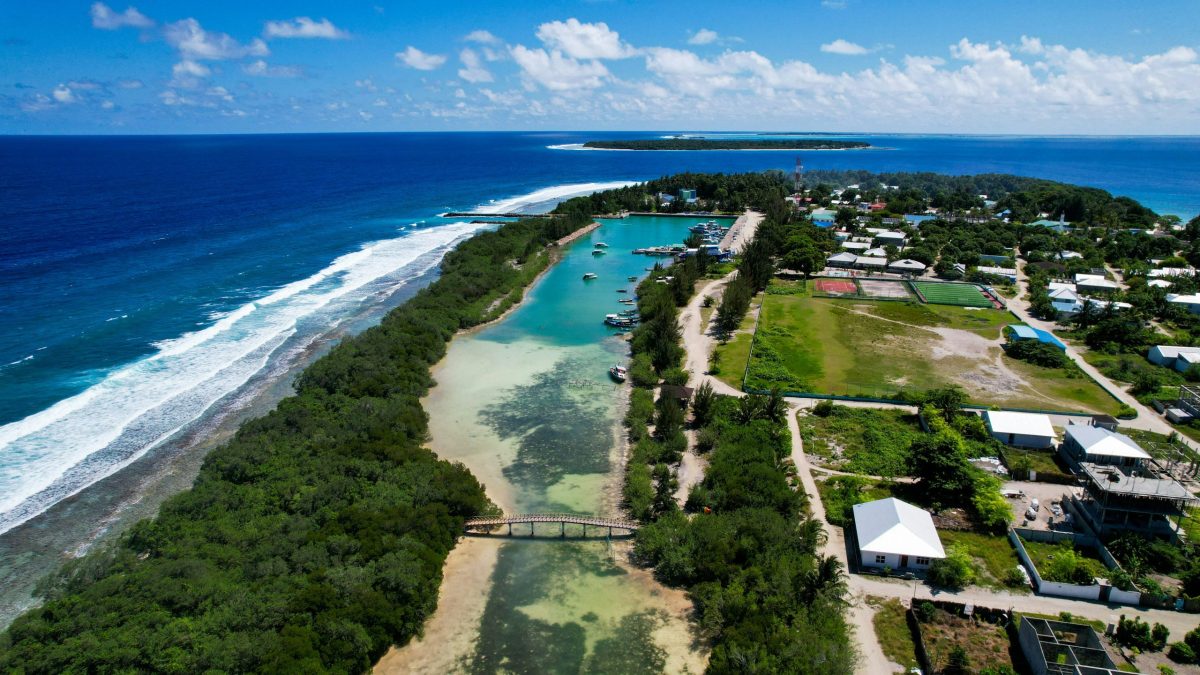
Australia became the first country to formally recognise a nation’s continued statehood despite rising seas in 2023, through the Falepili Union treaty with Tuvalu.
That treaty also created a visa route for Tuvaluans to live, work and study in Australia. Around 90% of Tuvalu’s population applied for the first ballot of 280 visas last year, according to UN News.
Tuvalu is also spending millions of dollars on raising vulnerable land and reducing coastal erosion to protect its territory.
The UN’s Intergovernmental Panel on Climate Change estimates that global sea levels will rise by between 15cm and 30cm on average by 2050.