Google maps being used to sell drugs in London: report

Key Points
- London Centric found dealers using fake "pharmacy" listings on Google Maps at real London addresses
- Listings pointed to a Soho clinic, a coffee shop and a PwC office, none of which knew
- Google removed 13 million fake Business Profiles and 292 million bad reviews in 2025
- Drug supply is a priority offence under the Online Safety Act, with duties on search services
- Google says it takes listings down when reported, but new ones keep appearing
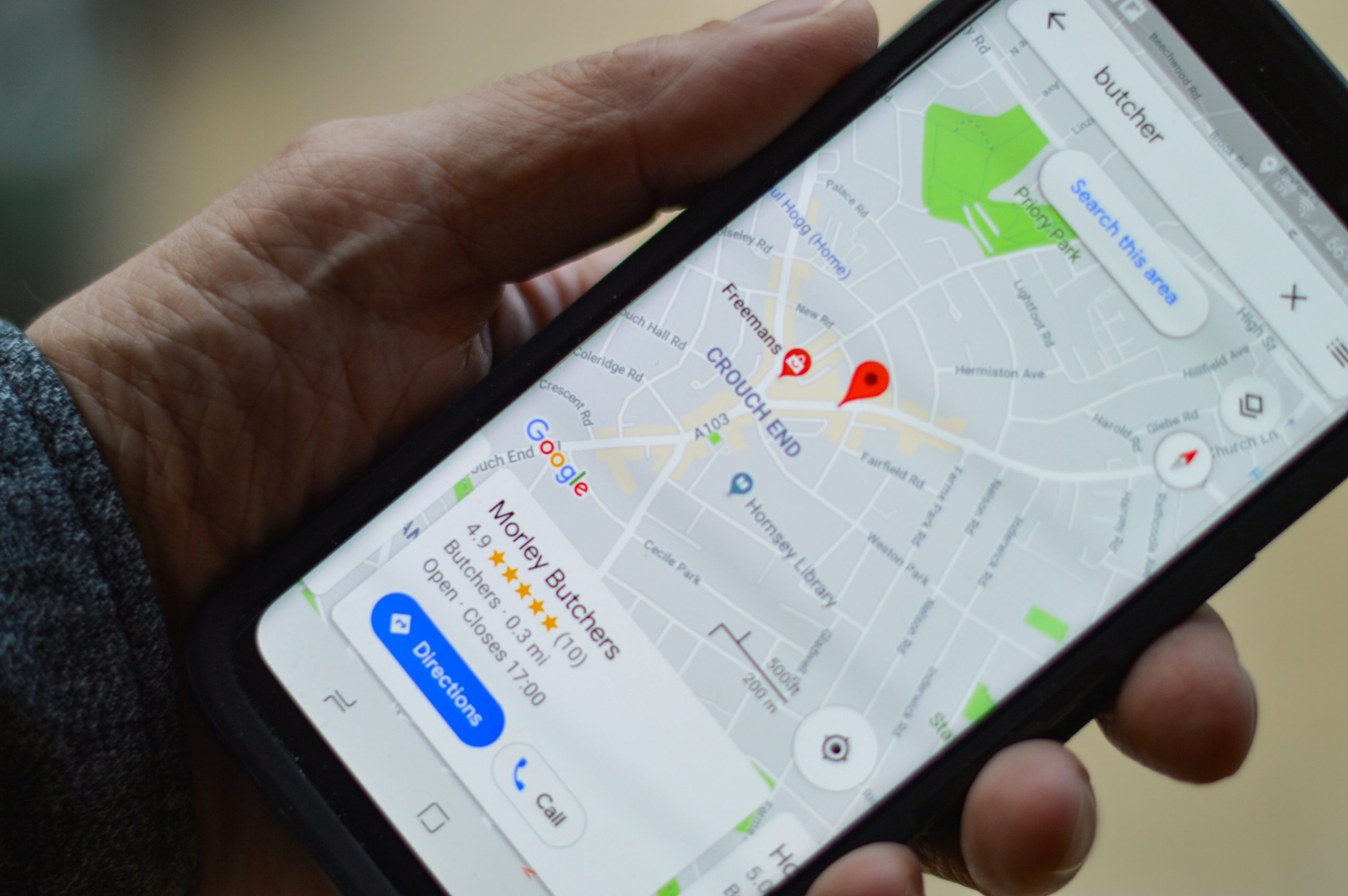
Drug dealers in London are registering fake “pharmacy” listings on Google Maps to advertise cocaine, ketamine, cannabis, counterfeit banknotes and guns, according to an investigation by London Centric.
The publication visited six addresses the listings pointed to, including a Soho sexual health clinic, a coffee shop and a PwC office, and found nobody at any of them knew their premises appeared online as a place to buy drugs.
It also found listings using AI-generated shopfront images, a one-star review from a customer who turned up to find an office block, and a Dean Street listing offering a firearm to anyone searching for a pharmacy in Soho.
Google told London Centric it encourages users to report inappropriate content to keep information on the service authentic, and several of the listings had disappeared by the time reporters attempted to visit them, while new ones had appeared in their place.
The Wall Street Journal estimated in 2019 that Google Maps carried roughly 11 million false business listings on any given day, with hundreds of thousands more appearing each month.
Google disputed the scale at the time, saying only a small percentage of the more than 200 million listings ever added to Maps were fake.
More protections for children
The report comes after the government said it will legislate to force Apple and Google to build child protections into iPhones and Android devices.
Culture Secretary Lisa Nandy told Parliament that the two companies had made significant commitments since June, but that their proposals fell short of what the government wanted.
The government set Apple and Google a three-month deadline in June to show how they would stop children taking, sharing or viewing nude images on phones and tablets. Ministers said at the time that they would change the law if the companies did not act voluntarily.
Officials from the Department for Culture, Media and Sport and the Home Office have worked with senior leaders and engineers at both companies since then.
Nandy said both firms had developed changes at the operating system level to make it harder for children to share nude imagery. She added that the government had seen progress on blocking such images outright on underage devices rather than blurring them.
Apple rolled out age assurance at the operating system level earlier this year, which stops a child from receiving or sharing nude images on iMessage or FaceTime. Google’s Messages app offers an optional sensitive content warning that detects and blurs images which may contain nudity, using its on-device SafetyCore service.
“These proposals are a step in the right direction. However, the truth is they do not meet the scale of this crisis,” said Nandy.
The government will introduce primary legislation requiring major tech platforms to build device-level protections for children into their products. Nandy said the bill would come to Parliament as soon as possible, but gave no date.
If Apple and Google implement technical solutions while the government drafts the bill, ministers will reassess whether legislation is still necessary.