Auto-updating prices coming to more UK stores

Key Points
- Asda has completed the rollout of electronic shelf edge labels (eSELs) into every Asda Express convenience store.
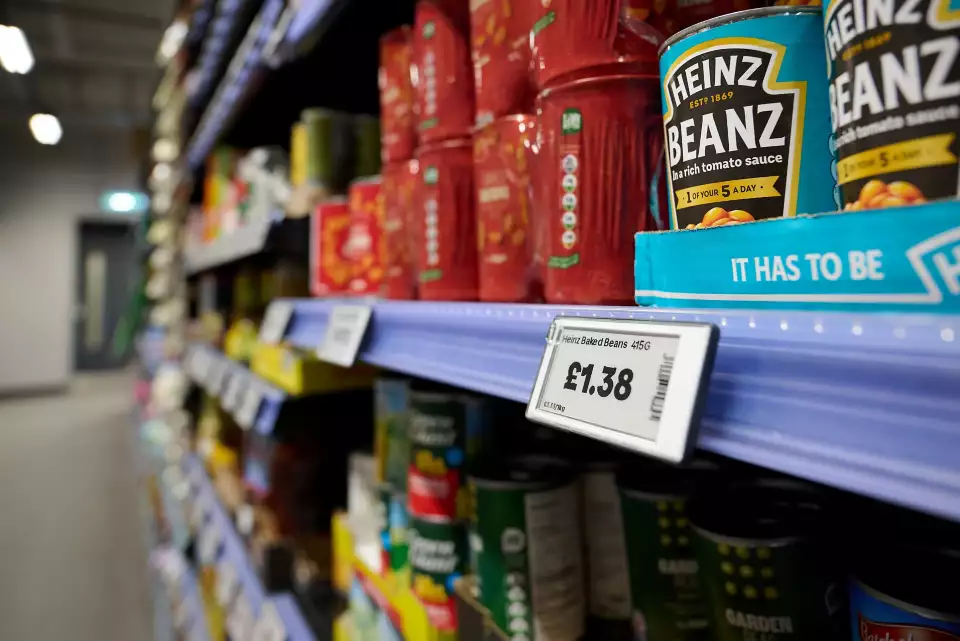
- The technology has replaced the task of manually swapping out over 120,000 paper price tickets per week.
- The new label also allows clearer display of pricing, unit cost, weight and promotional information, helping colleagues more easily answer customer queries at the shelf edge.
- The news comes as Asda is trialling shelf-edge availability cameras in five of its larger stores.
Asda has completed the rollout of electronic shelf edge labels (eSELs) into every Asda Express convenience store, as the retailer continues to invest in technology across its estate.
The retailer said it has invested over £7.5 million to install over 1.2 million electronic shelf labels (ESLs) across Asda’s 517 Express stores.
The technology has replaced the task of manually swapping out over 120,000 paper price tickets per week.
This means that employees will no longer manually change shelf-edge prices, meaning teams can better use their time to serve customers, improve availability and maintain store standards.
The new label also allows clearer display of pricing, unit cost, weight and promotional information, helping colleagues more easily answer customer queries at the shelf edge.
Customers will also benefit from additional ingredient and allergen information on products such as bakery items, so they can make informed choices.
Matt Harrison, Director of Asda Express Central Operations, said that the rollout was a major milestone.
“By removing manual pricing tasks, we’re freeing up time for colleagues to focus on serving customers and keeping store standards high. It’s another example of how we’re modernising our stores to improve the shopping experience for customers.”
The news comes as Asda is trialling shelf-edge availability cameras in five of its larger stores, prior to a wider rollout in the coming months. The technology continuously monitors shelves and can identify gaps, out-of-stocks, low stock levels and products that have been placed in the wrong location.
When an issue is detected, employees receive a notification so they can replenish stock more quickly, helping to keep shelves full and products available for customers.