Uber and Wayve promised 100,000 Londoners robotaxi rides this summer before TfL had written the rulebook

Key Points
- Uber and Wayve promised self-driving rides this summer to a waiting list of over 100,000 Londoners
- TfL has not published the guidance operators need and will not take applications for some time
- The DVSA has approved zero vehicles under the automated passenger services permit process
- Zagreb launched Europe's first public autonomous rides, and Waymo is targeting Munich late next year
- Wayve's chief executive refuses to set a date for a fully driverless London service
Uber and Wayve told a waiting list of more than 100,000 Londoners that self-driving taxi trips would start later this summer, and Transport for London has still not published the rules those services must follow.
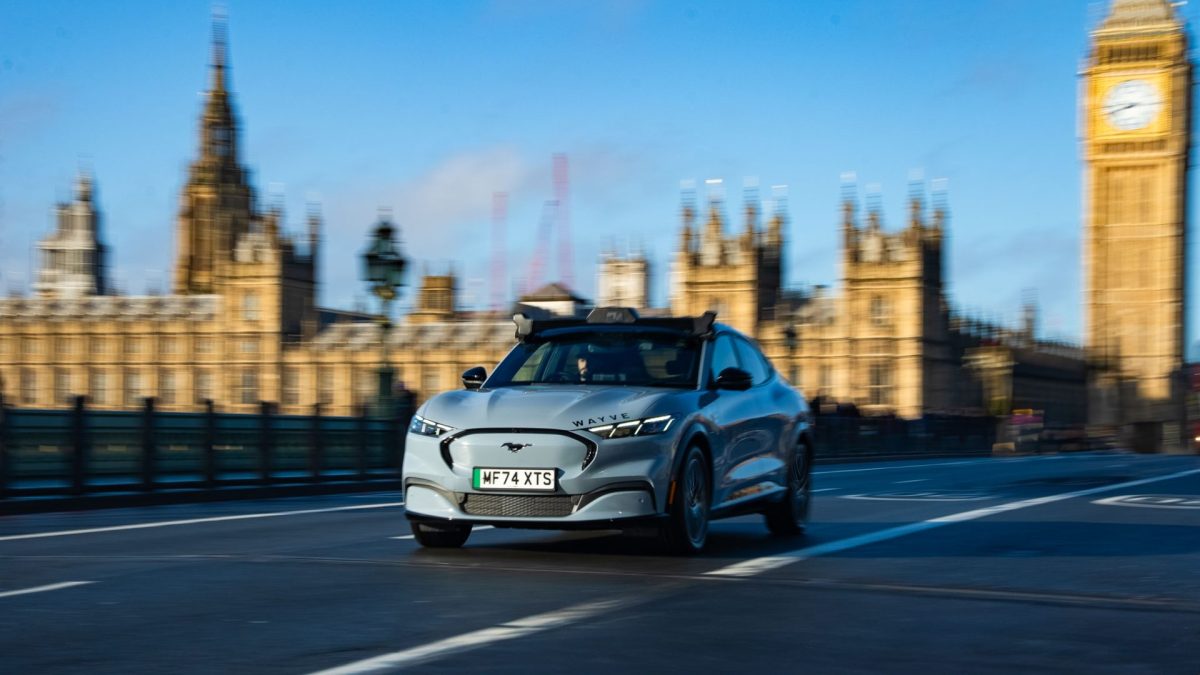
The two companies won the first minicab licences in the capital only weeks ago, allowing them to sell self-driving rides with a human safety driver still sitting behind the wheel.
TfL has granted 15 private hire vehicle licences to Ford Mustang Mach-E cars running Wayve’s artificial intelligence driving software alongside surround cameras and radar. A TfL-licensed driver takes the driver’s seat on every trip and intervenes if the software needs correcting.
Christina Calderato, TfL’s director of strategy, told the London assembly’s transport committee last month that the authority would not accept applications from operators for some time yet.
“I do not think we are in a rush,” said Calderato, describing a large volume of work still going on behind the scenes.
Heidi Alexander, the transport secretary, brought the timetable forward by a full year in 2025, telling the industry that commercial trials of fully driverless taxi services would begin in the spring of 2026. That deadline has now passed with no published guidance and no approved vehicles.
Operating a taxi with nobody in the driver’s seat requires a separate automated passenger services permit from the Driver and Vehicle Standards Agency. The DVSA has not yet approved a single vehicle under that process.
Alex Kendall, Wayve’s chief executive, told The Guardian that the company had never claimed it would run a fully driverless operation in 2026, and he declined to name any date while the regulatory process continues. He described London as a significant step up in complexity compared with Phoenix or San Francisco, the American cities where driverless fleets already operate at scale.
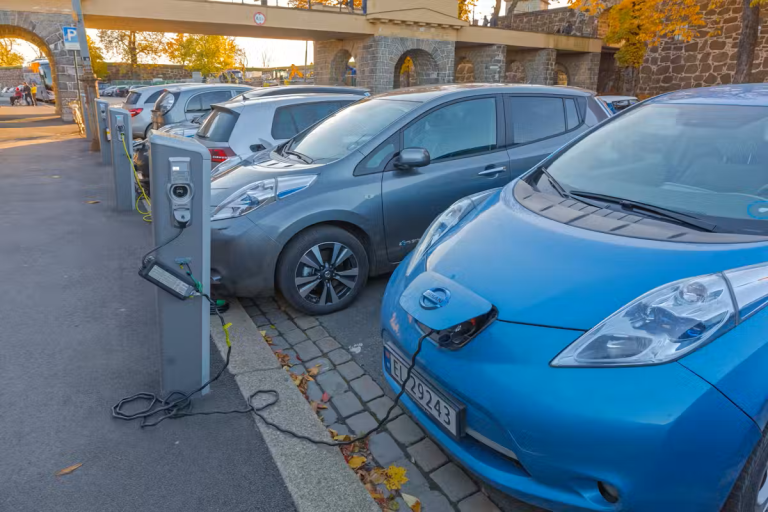
Uber and Wayve now plan smaller commercial pilots with a driver behind the wheel before any wider launch. Wayve intends to switch to a new Nissan Leaf, still in production and due later this year, for its fully driverless service.
London is losing ground to cities that moved faster on regulation. Robotaxis already carry paying passengers in more than 20 cities across the United States, China and the Middle East.
Zagreb became the first European city to offer autonomous rides to the general public earlier this month through Uber, though a human still monitors the vehicle on board.
Waymo announced on Tuesday (25 August) that it will begin commercial operations in Munich late next year. Ben Loewenstein, Waymo’s Head of Policy and Government Affairs for the UK and Europe, said the company was working through the safety approval process with the transport department and waiting on TfL guidance before it can gain consent.
Loewenstein said Waymo was still working towards a fully autonomous service by the end of this year, but would not commit to selling rides to the general public in that window.
Baidu started testing its Apollo Go vehicles in London at the end of July and plans to open public rides next year.