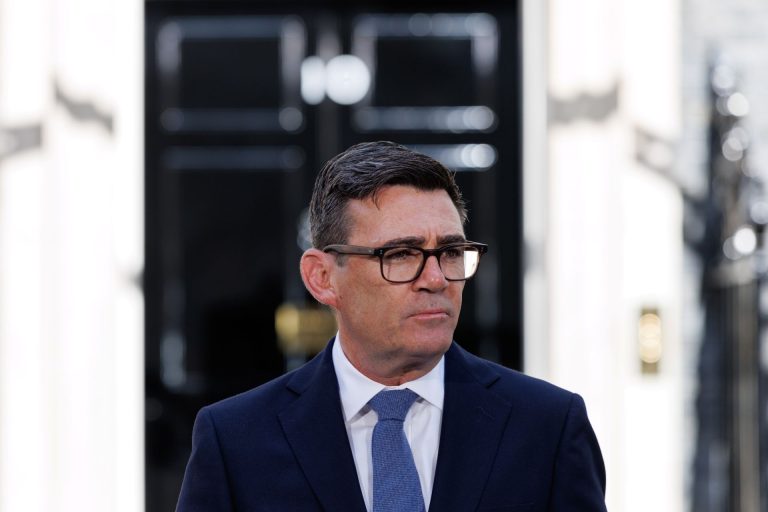
Andy Burnham just ruled out a wealth exodus tax: “No, definitely not”

Key Points
- Andy Burnham ruled out taxing wealth creators out of Britain in a Financial Times interview.
- He said he wants the best wealth creators to stay in the country, not just start out here.
- Burnham framed the Budget around cutting the cost of living and the cost of doing business.
- John Healey delivers the Budget on Wednesday 28 October, the first of Burnham's premiership.
- Burnham has kept Labour's pledge not to raise income tax, VAT or national insurance rates.
Prime minister Andy Burnham has ruled out taxing wealth creators out of Britain ahead of the Budget on 28 October.
Burnham set out that position in an interview with the Financial Times published on Wednesday (26 August), which asked him whether his government risked driving wealth creators abroad.
“No, definitely not,” said Burnham.
“Of course, we need wealth creation and the best wealth creators not just forging their path here, but staying here,” said Burnham.
“I’m not coming into this role thinking how do we make life harder? I’m trying to make life easier for people. How do I take pressure off? How do I meaningfully deal with the cost of living and the cost of business?” said Burnham.
Burnham said the government understands how difficult the operating environment has become for firms of every size, from the largest employers down to small businesses.
Chancellor John Healey will deliver the Budget on Wednesday 28 October, his first since Burnham appointed him on 20 July, and the first fiscal event of the new premiership.
Healey has said the Budget will rest on fiscal discipline, will meet the government’s fiscal rules and will give businesses and families more stability to plan against.
Burnham has committed to Labour’s 2024 manifesto pledge not to raise the rates of income tax, VAT or national insurance for the rest of this parliament, according to Grant Thornton.
The government has already announced a series of cost measures since taking office in July, including:
- A 20% cut in business rates bills for pubs, social clubs and live music venues in England from April 2027
- The removal of 5% VAT from domestic electricity bills from October 2026
- A £2 cap on single bus fares in England from January 2027
Economists have said those spending commitments will require additional revenue, with limited room for extra borrowing inside the current fiscal rules, GB News reported.
The Office for Budget Responsibility will publish an updated forecast for growth, inflation, borrowing and debt alongside the Budget on the same day.