1 in 60 UK jobs now depends on Ministry of Defence spending

Key Points
- MOD expenditure supported 462,000 UK jobs in 2024/25, up 23,000 year-on-year
- The total splits into 274,000 industry jobs and 187,000 UK-based military and civilian staff
- Shipbuilding added 10,000 direct roles, the largest increase of any industry
- The West Midlands was the only region where MOD-supported jobs fell
Ministry of Defence expenditure supported 462,000 UK jobs in 2024/25 – the equivalent of one in every 60 jobs in the country.
The figure combines 274,000 jobs in industry with 55,000 UK-based MOD civilian staff and 132,000 UK-based regular armed forces personnel. Industry accounts for 164,000 direct jobs at companies paid directly by the department and 110,000 indirect jobs further down the supply chain.
Total supported jobs rose 5% on the previous year, while the industry component climbed by 26,000.
Direct MOD spending with UK industry reached £31.9 billion, 6% higher than 2023/24 once inflation is accounted for.
Where the jobs are
The South West holds the most MOD-supported jobs of any region at 94,800, while the South East leads on direct industry jobs alone with 41,300.
Adjusted for the size of each regional workforce, the South West again comes top at 1,640 direct jobs per 100,000 people in full-time equivalent employment, ahead of the South East at 1,130.
The UK average stands at 590, up from 540 a year earlier.
Yorkshire and the Humber recorded the sharpest rise at 53%, reaching 260 direct jobs per 100,000. London climbed 25% to 250 and passed 10,000 direct jobs for the first time since 2020/21, and Wales rose 29% to 450. The North West posted the largest absolute gain, from 640 to 770.
The West Midlands was the only region where direct jobs fell, dropping from 8,100 to 7,900 after a decline in business services roles.
The North East remains the lowest region at 2,100 jobs, half of them armed forces personnel, and slipped from 100 to 90 jobs per 100,000 as regional employment grew.
Shipbuilding driving the increase
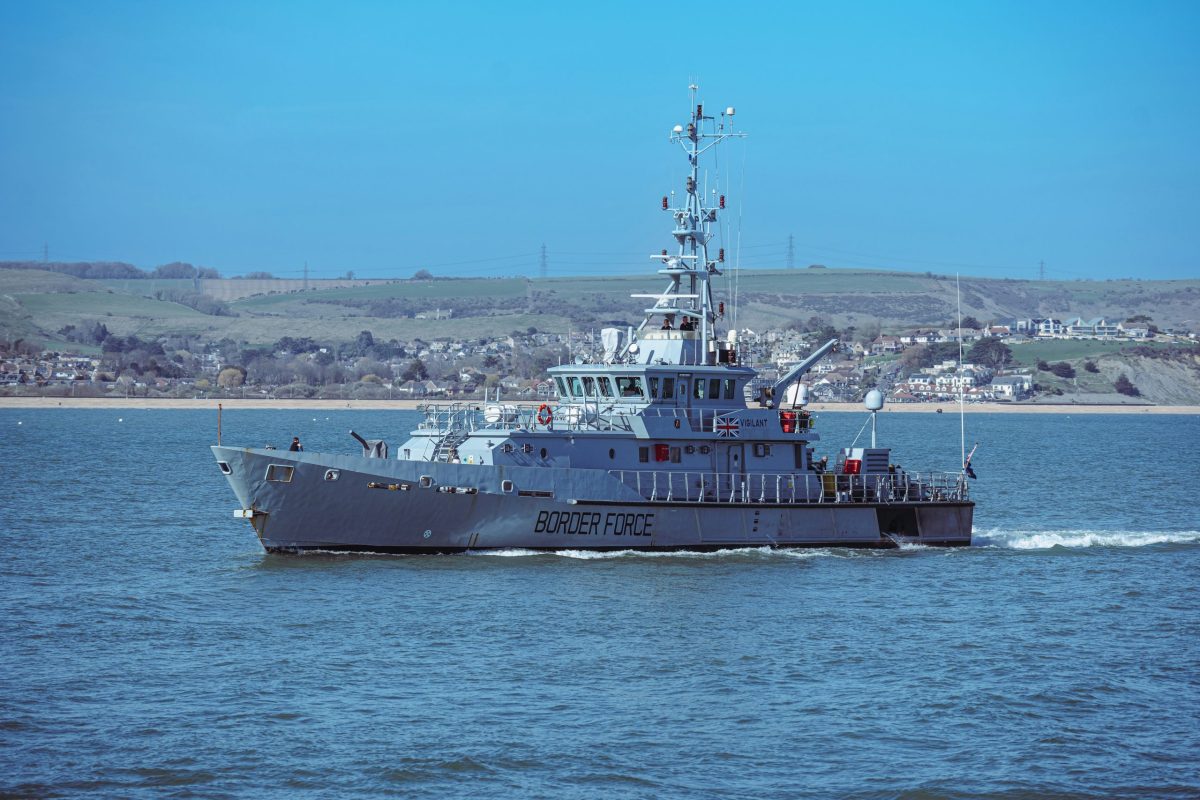
Shipbuilding and repairing added more jobs than any other industry, rising from 31,500 to 41,500 direct roles on £6.9 billion of MOD spending, driven by contracts for Dreadnought submarines with BAE Systems and three Fleet Solid Support vessels with Navantia.
Weapons and ammunition saw the largest percentage increase at 51%, from 3,900 to 5,900, which the MOD attributes to a £200 million rise in payments to OCCAR for the Boxer armoured vehicle programme. That category covers weapons, ammunition and military fighting vehicles.
Technical, financial and other business services remains the largest single group at 63,300 direct jobs.
“These figures show that a rising defence budget is creating more good jobs across the UK,” said Luke Pollard, Minister for Defence Readiness and Industry.
The MOD expects the numbers to climb further under the Defence Investment Plan, which commits £298 billion to UK defence over the next four years, and has separately committed £8.4 billion to the next generation of nuclear submarines.