Remote Scottish rail routes are getting satellite WiFi

Key Points
- The UK Space Agency is funding a trial to fit a ScotRail train on the West Highland Line with satellite broadband equipment.
- CGI IT UK received £428,000 for the pilot, which targets a rail corridor where mobile and broadband networks do not reach.
- The trial supports wider government plans to bring satellite connectivity to all mainland trains.
- It is one of 16 projects sharing £13 million through the European Space Agency's ARTES programme.
- Other funded work includes satellite crop sensors for farmers, laser communications and deep space ground stations.
The UK Space Agency is funding a trial that will fit a ScotRail train on the West Highland Line with satellite communications equipment to deliver broadband on one of the country’s most remote rail corridors.
CGI IT UK, based in Leatherhead, received £428,000 for the pilot, which forms part of its Satellites for Digitalisation of Railways project.
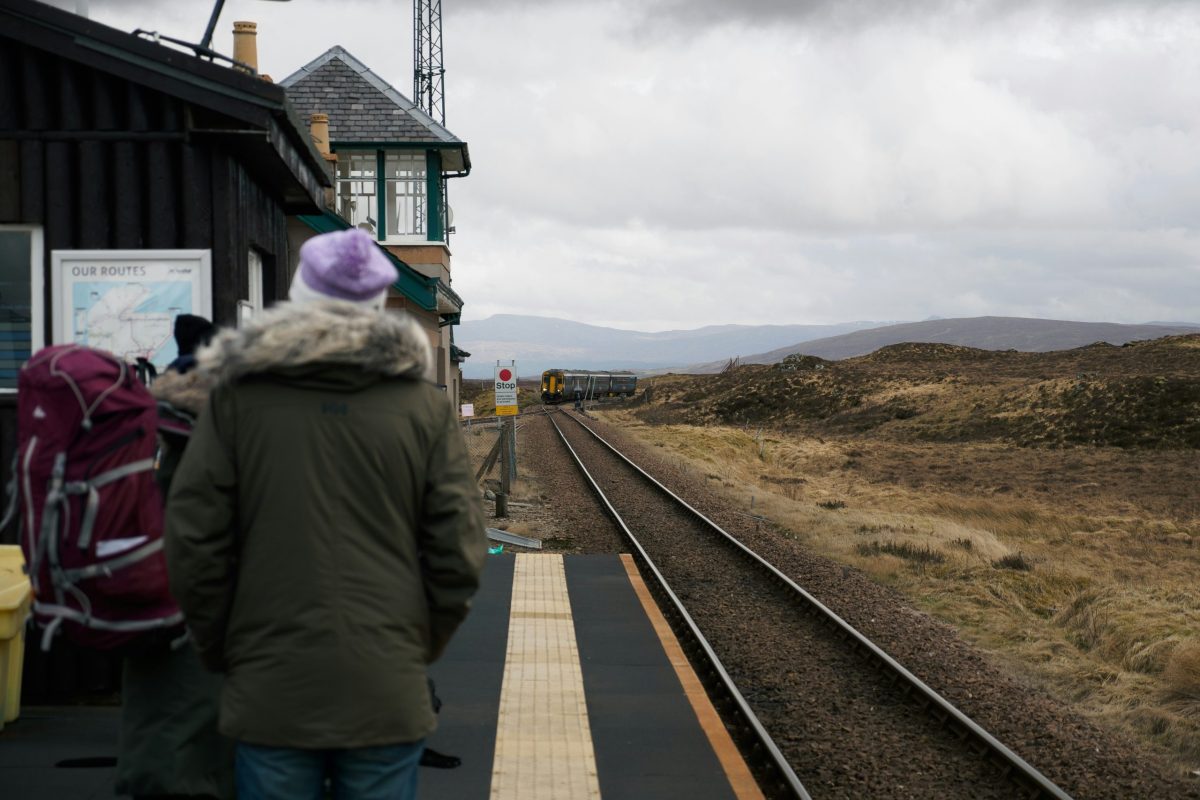
The West Highland Line runs through terrain where mobile and fixed broadband networks do not reach, leaving passengers without a usable connection for long stretches of the journey. The trial will show whether satellite links can fill those gaps.
The pilot sits within wider government work to bring satellite connectivity to all mainland trains, aimed at improving both availability and connection speeds for passengers across the country.
The project is one of 16 backed by £13 million of government funding, delivered through the European Space Agency’s Advanced Research in Telecommunication Systems programme.
“This investment shows the true breadth of UK space innovation and how innovations in the UK’s satellite sector can improve lives, with better connectivity delivering internet access for more train journeys, and smarter farming,” said Liz Lloyd, Space Minister.
Other funded projects include:
- Exobotics Ltd’s STARS in London, which received £2.1 million to build a next-generation optical communications capability and deliver the first satellites in a planned data relay network.
- Archangel Lightworks in Oxford received £1,845,000 for Optimus, a laser communications system designed to transmit data between satellites and the ground at more than 100 gigabits per second, around ten times faster than its predecessor.
- Airbus Defence and Space UK in Portsmouth received £1.5 million to develop on-board processors that can be reprogrammed in orbit rather than fixed before launch.
- Farmer Charlie, based in London, received £199,000 to build low-cost sensors that let farmers and growers monitor crops, soil and local conditions using a mix of satellite and mobile connectivity, designed for rural areas with poor or no internet coverage.
Further projects will improve UK capabilities in deep space and lunar communications.
Aalyria Technologies UK received £750,000 to develop networking technology that maintains communications across deep space distances and BAE Systems Applied Intelligence in Chelmsford received £123,000 to modernise ground station systems that track deep-space missions.
The UK space sector employs more than 55,000 people and brings £18.6 billion into the economy each year.