Here’s which UK water companies now have hosepipe bans in place

Key Points
- Eight water companies have Temporary Use Bans in place, covering more than 27 million customers
- Affinity, Anglian, Cambridge, Essex & Suffolk, Southern, South East, Thames and South West Water are all affected
- Watering cans and buckets are still permitted under a ban
- 71.3% of England is now in drought and no area is classed as normal
- Another heatwave is forecast this week, with mid-30s temperatures in places
Eight water companies have Temporary Use Bans covering some or all of their areas, affecting more than 27 million customers in England.
The companies with restrictions in place are:
- Affinity Water
- Anglian Water
- Cambridge Water
- Essex & Suffolk Water
- Southern Water
- South East Water
- Thames Water
- South West Water.
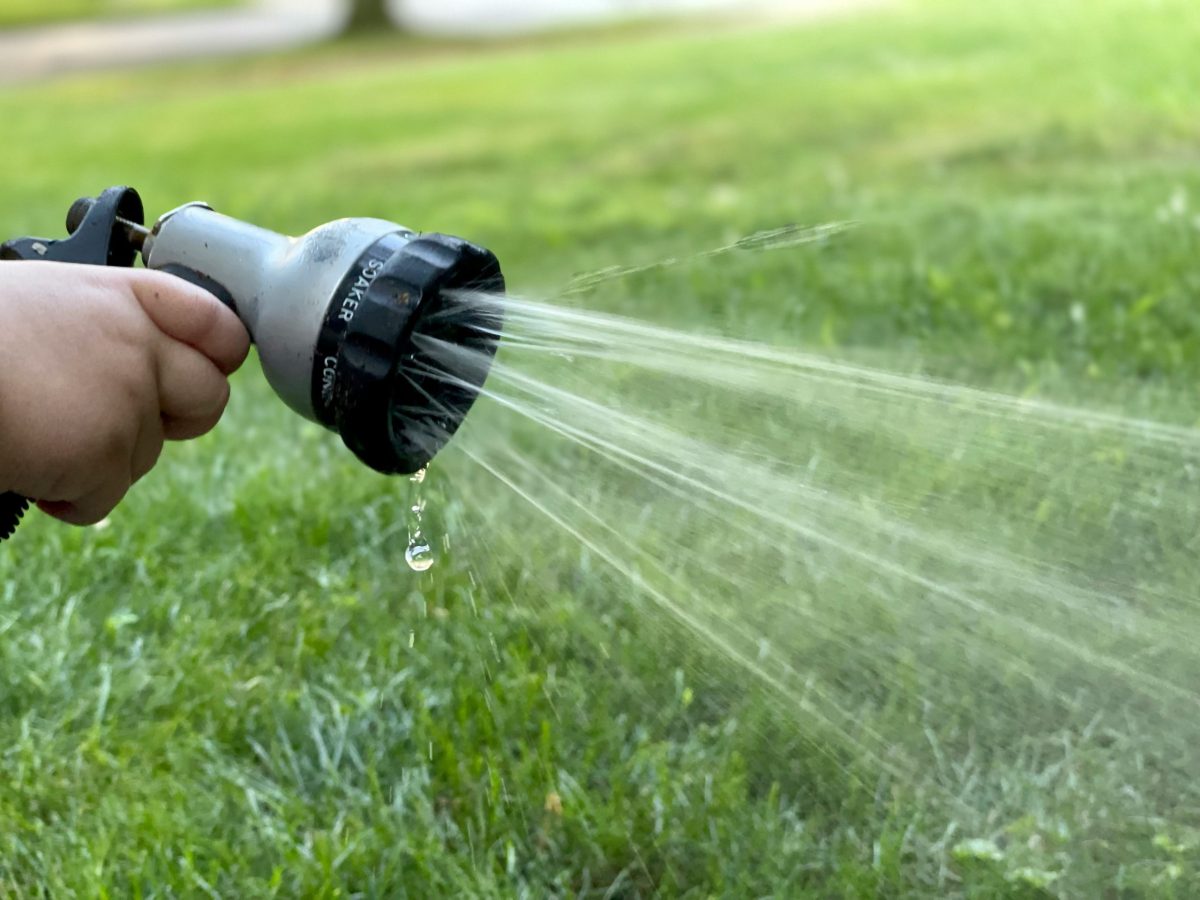
Water companies have reported the bans have cut public demand by up to 9% in places. Hosepipes are restricted under a ban, but watering cans and buckets can still be used in the garden.
Customers with disabilities or health issues who live in an area covered by a ban can contact their water company about their situation.
Southern Water has applied for two drought orders, which Defra is considering. The first would let it maintain normal abstraction rates from the River Test even during low flows, and the second is for a non-essential use ban.
Four more areas moved into drought status on Tuesday (11 August):
- The East Midlands
- Lincolnshire & Northamptonshire
- Kent & East Sussex
- Solent & the South Downs.
That takes 71.3% of England into drought, covering 45 million people. They join East Anglia, Hertfordshire and the whole of London, the Thames Valley, Devon & Cornwall, Wessex and the West Midlands.
The North East and Yorkshire have moved into prolonged dry weather, the stage before drought. Cumbria & Lancashire and Greater Manchester, Merseyside & Cheshire are also at that stage. No part of England is now classed as normal.
“Drought conditions are worsening and will continue to do so until we see significant and sustained rainfall,” said Tony Grayling, Strategic Drought Lead at the Environment Agency and Chair of the National Drought Group.
England has had the driest July in 190 years and 5% of expected rainfall this month to date.
Reservoir levels have fallen to 69%, which is 11.6% below normal for the time of year, and storage dropped 16% during July – the largest raw reduction in July for at least 30 years.
Only 14% of river flows are at normal levels, while 22% are exceptionally low, including the Avon, Wye, Ely Ouse and Exe.
Another heatwave has been forecast for this week, with temperatures tipped to reach the mid-30s in places and the UK Health Security Agency issuing heat alerts.
There have been 34 days this year with temperatures reaching 30°C or above somewhere in England, including 13 consecutive days in July.
“Looking ahead, forecasts for the remainder of August and into September suggest a good deal of dry weather is expected, mixed with some unsettled spells,” said Sarah Davies, Head of Environment and Energy at the Met Office.
Water Minister Emma Hardy has told water companies to do more to cut leaks, which increase in hot weather as pipes move in dry soils.
Cutting your water use
The Environment Agency lists several steps that reduce household consumption:
- Fix a leaking toilet – leaky loos can waste 200 to 400 litres a day
- Fit a low-flow shower head, which uses around 6 litres a minute against 10 to 15 litres for a standard head, saving up to 90 litres over a 10-minute shower
- Request a cistern displacement device from your water company if you don’t have a dual flush, which cuts at least 1 litre from every flush and is often free
- Scrape dishes instead of pre-rinsing them before loading the dishwasher, and use a washing-up bowl to catch excess water
- Fill your washing machine to its recommended load size
- Turn off taps when brushing teeth or shaving
- Install a water butt to collect rainwater for the garden