The UK is removing the DBS supervision exemption: Who needs a new check and when

Key Points
- The supervision exemption disappears from the definition of regulated activity with children on 1 September 2026.
- Supervised volunteers now count as being in regulated activity if they work with children on more than three days in any 30-day period, or once overnight between 2am and 6am.
- Those volunteers need an enhanced DBS check with children's barred list information.
- Occasional helpers below the frequency threshold, such as a monthly classroom volunteer, are unaffected.
- The definition of regulated activity with adults does not change.
Volunteers who help with children more than three days in any 30-day period will need an enhanced DBS check with children’s barred list information from 1 September 2026, after a change to the legal definition of regulated activity.
The Crime and Policing Act 2026 removes the supervision exemption from that definition.
Until now, a person who taught, trained, instructed, cared for or supervised children fell outside regulated activity if someone already in regulated activity supervised them to a sufficient level.
Organisations could ask those people for an enhanced DBS check, but had no access to a children’s barred list check for the role. The Disclosure and Barring Service confirmed the change on Tuesday (4 August).
From 1 September, supervision no longer takes anyone out of regulated activity. The work counts if it happens on more than three days in any 30-day period, or once overnight between 02h00 and 06h00.
Regulated activity is work a barred person must not do, and it is a criminal offence both for a barred person to engage in it and for an organisation to allow it. Nothing changes for regulated activity with adults.
Who the change catches
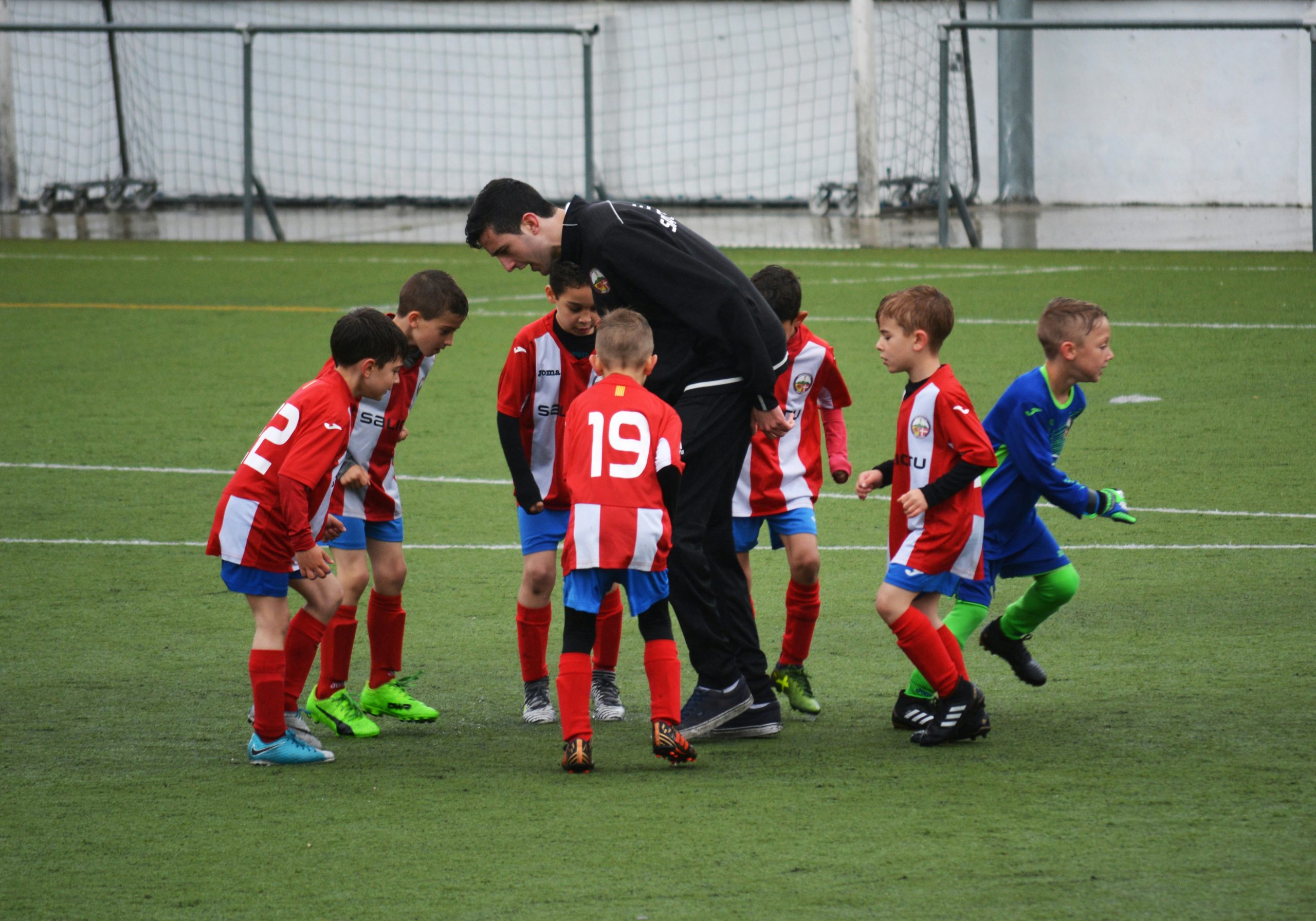
The change will impact schools, sports clubs, outdoor activity centres, youth groups, charities and community groups.
Department for Education guidance identifies volunteers as the main group affected, because paid staff who have contact with children already sit within regulated activity.
Reading helpers supervised by a teacher, assistant coaches working under a head coach and instructors overseen by a senior colleague all fall inside the definition once they meet the frequency threshold.
DBS set out some specific examples:
- A parent who listens to children read every Monday morning during term time moves into regulated activity on 1 September and becomes eligible for an enhanced check with children’s barred list information.
- A parent who helps with art activities once a month does not, because the role does not meet the frequency test.
- A volunteer at a community music club twice a week does, as does a paid instructor leading climbing and canoeing sessions four days a week at an outdoor centre.
What organisations should do
Organisations need to identify every role where someone teaches, trains, instructs, cares for or supervises children under another person’s supervision, then work out whether the activity meets the frequency or overnight test.
The next step is to check whether the person’s existing DBS certificate included a children’s barred list check, and to decide whether a new enhanced check is necessary in line with sector guidance.
Recruitment, volunteering and safeguarding procedures need updating before the date. Any change to a person’s role, or to how they carry it out, triggers a fresh eligibility check.
The DfE has published guidance for schools, colleges and childcare settings covering the change. Enhanced DBS checks remain free of charge for volunteers.