2026 is on track to be one of London’s quietest years for home sales on record


Key Points
- Foxtons expects 2026 to be one of the lowest years for London property transactions on record
- Activity in its core London markets fell 14% year on year; sales volumes dropped 11%
- New-build sales fell hardest, with new homes revenue down 46%
- Average London house prices held broadly flat at around £541,000
- Sellers are largely holding asking prices, but demand remains for realistically priced homes
London is heading for one of its lowest years for property transactions on record, according to Foxtons Chief Executive Officer Guy Gittins.
Activity across the agency’s core London markets fell 14% year on year in the first half of 2026. Foxtons handled 2,113 property sales over the six months, 11% fewer than a year earlier, and sales revenue dropped 13% to £23.5 million.
The comparison period included a surge of buyers completing before the stamp duty change in March 2025, which brought transactions forward.
Newly agreed sales ran 11% below last year’s levels throughout the period. Foxtons pointed to weak consumer confidence, political uncertainty at home, the conflict in the Middle East and interest rates staying higher for longer.
New-build homes fell furthest, with revenue from that part of the business down 46% as developers and buyers both turned cautious.
Prices have not followed volumes down. Average London house prices stayed broadly flat at around £541,000, and homes Foxtons sold in its core London markets went for £566,000 on average, 1% more than a year earlier.
Many sellers have kept their asking prices at last year’s levels and are waiting for conditions to improve, though Foxtons said demand remains healthy for homes priced realistically.
The agency cut £4.5 million of annual costs and reduced staff numbers in its sales business, and expects trading conditions to stay difficult through the rest of the year.
Homes not selling – rents through the roof
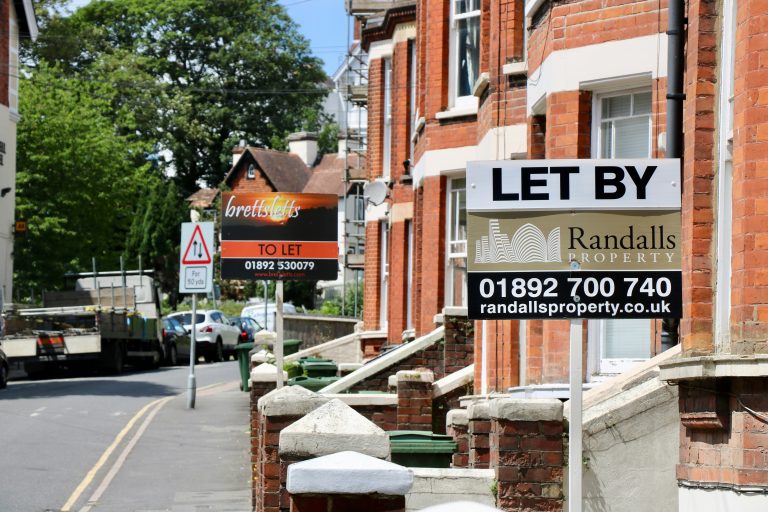
By comparison, rental homes in London are letting faster than at any point in the past four years, with properties going 8% quicker in the first half of 2026 than in the same period last year.
Foxtons data shows tenant demand continues to outstrip the number of homes coming onto the market, which is keeping prices firm. Rents held broadly stable over the six months but remain at elevated levels, and Foxtons described them as close to the upper end of what renters can afford.
The Renters’ Rights Act, which took effect on 1 May, replaced fixed-term tenancies with rolling periodic agreements and gave tenants more freedom to give notice and leave. A small share of renters took that option straight away.
Foxtons recorded an average of 150 additional early terminations a week across its 32,000 tenancies during May and June, with the effect strongest immediately after the rules changed. The rate has fallen since, and the vast majority of tenants stayed where they were.