A luxury UK handbag maker has stopped offering discounts – and sales are soaring

Key Points
- Mulberry grew annual sales 4% to £125.5 million after cutting discounts across stores and online
- Gross margin jumped from 66.8% to 71.9% as shoppers paid full price
- Losses narrowed from £32.2 million to £8.9 million, with first-quarter FY27 revenue up 23%
- Pre-loved sales through Mulberry Exchange rose 46%, offering a cheaper route into the brand
- New wholesale deals put Mulberry into John Lewis, Liberty, Flannels and Harvey Nichols
British handbag maker Mulberry has cut discounting across its stores and website and grown annual sales 4% to £125.5 million.
The company’s audited results for the 52 weeks to 28 March 2026 show that chief executive Andrea Baldo’s decision to pull back on promotions has lifted gross margin from 66.8% to 71.9%, narrowed the group’s loss before tax from £32.2 million to £8.9 million, and returned underlying EBITDA to a positive £0.8 million.
Momentum built through the year, with sales growing 11% in the second half after a 4% decline in the first, and revenue in the first quarter of the new financial year is running 23% ahead of last year.
For shoppers, the shift means Mulberry bags now sell at full price far more often. The company attributes its improved margin to reduced promotional activity and stronger full-price trading, and its trajectory suggests the sales and markdowns that customers once waited for will remain scarce.
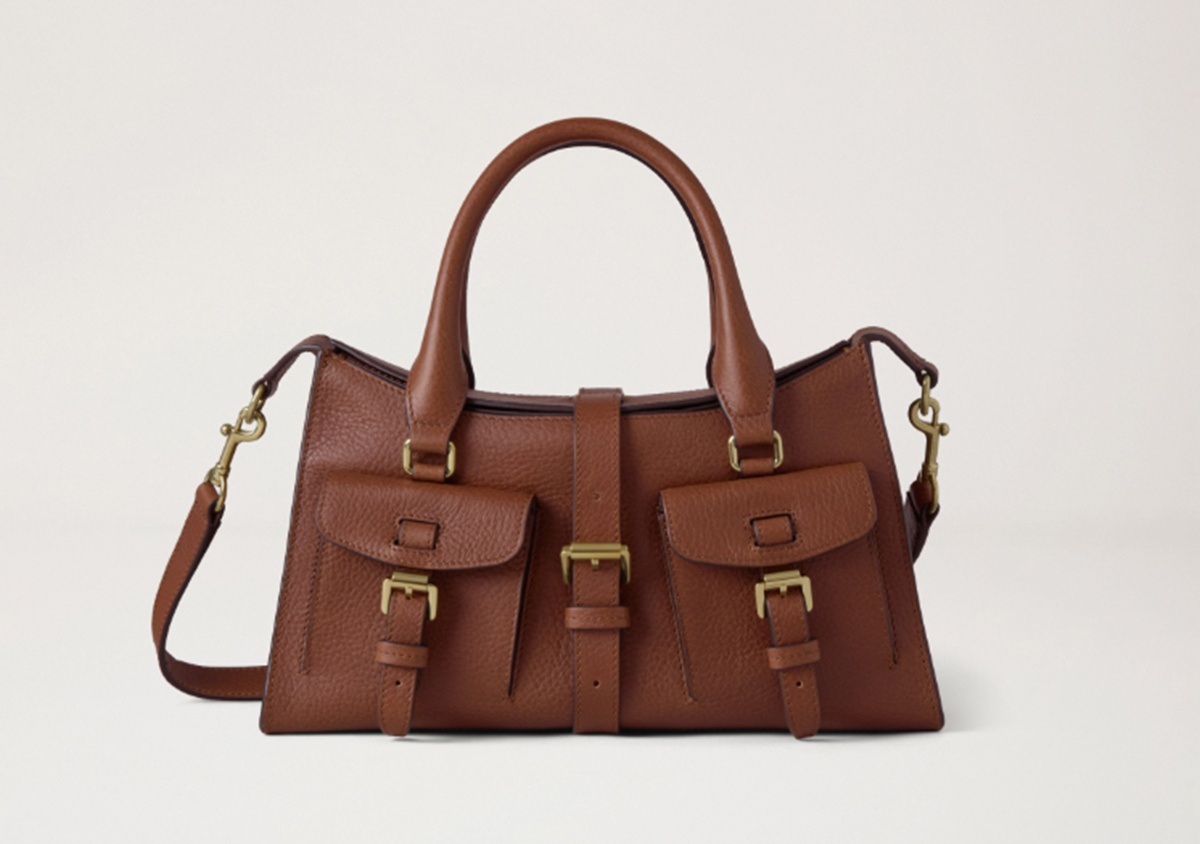
Baldo said the approach allows the brand “to restore pricing integrity while further strengthening the brand”, pointing to the Bayswater Limited Edition, which sold out within minutes of launch.
Shoppers pay full price and keep coming back
More than half of Mulberry’s UK retail and digital sales came from returning customers during the year, which the company says shows it is winning back people who already know the brand.
UK store sales rose 4% overall and 19% on a like-for-like basis, helped by new products and better stock availability.
UK digital sales fell 8%, a decline Mulberry links directly to lower levels of promotional activity online, leaving its website with fewer bargains but what the company calls a better quality of customer purchase.
Shoppers looking for a cheaper route into the brand are turning to secondhand instead.
Mulberry Exchange, the company’s pre-loved resale programme, grew sales 46% during the year, and Mulberry says the service is introducing a younger generation of customers to the brand while supporting its circular business model.
More places to buy on the UK high street
Mulberry has also expanded where shoppers can find its products, signing new UK wholesale partnerships with John Lewis, Liberty, Flannels and Harvey Nichols.
The company opened a new UK store and two new John Lewis locations during the year, while closing one UK store and eight international stores as it shut unprofitable sites.
The company strengthened its finances with a £20 million convertible loan note from its two largest shareholders, Challice Limited and Frasers Group, and has agreed new banking facilities committed until July 2028. Net debt halved from £15.1 million to £7.4 million.
Baldo has set a medium-term target of more than £200 million in annual revenue with a 15% EBIT margin.
New launches ahead include Mulberry By Christopher Kane, following the designer’s appointment as Ready-to-Wear Creative Director, and a presence at London Fashion Week.