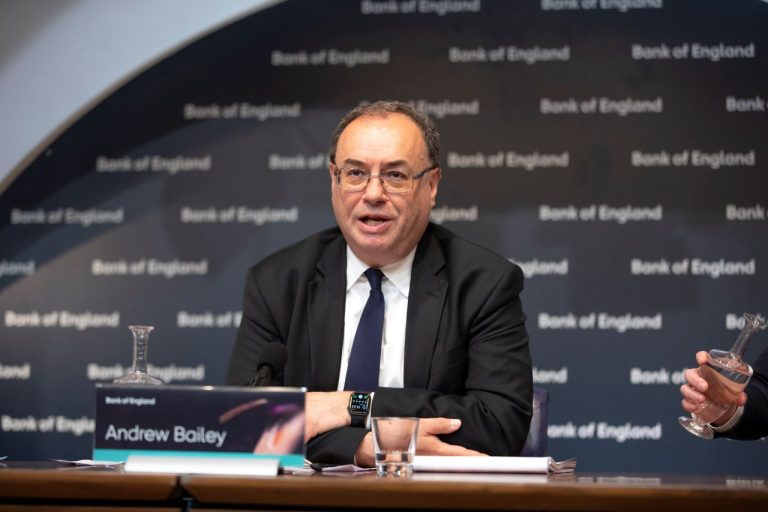
Cooling jobs market boosts hopes of August Bank of England rate cut


Key Points
- Payrolled jobs fell 85,000 in the year to May 2026
- Bank of England announces its next rate decision in just over a week
- Wage growth held at 3.4%, keeping pressure on policymakers
- Inflation figures due tomorrow could complicate the case for cutting
A weakening jobs market has strengthened the case for a Bank of England interest rate cut next week, offering hope of cheaper mortgages, though stubborn wage growth and tomorrow’s inflation data could yet stay the Bank’s hand.
Data from the Office for National Statistics on Tuesday (21 July) show payrolled employee numbers fell 85,000 in the year to May 2026, vacancies dropped to 712,000, and the unemployment rate held at 4.9%.
A softer labour market typically pushes the Bank toward lower rates, because weaker hiring reduces the wage pressure that feeds inflation.
The case for a cut
The jobs data has cooled consistently for months. The Claimant Count rose to 1.689 million in June, the early June payroll estimate showed a further 71,000 annual decline, and businesses have pulled back on recruitment across the economy.
Quilter Cheviot Investment Manager Jonathan Raymond said a weaker jobs market would typically strengthen the case for lower interest rates.
A base rate cut feeds through quickly to tracker mortgages and, over time, to fixed rate deals, and lenders often reprice fixed products in anticipation when a cut looks likely.
The case for holding
The biggest complication sits in the pay data. Regular earnings growth held at 3.4%, and Raymond noted that although hiring conditions are softening, wage pressures have yet to fade. Public sector pay grew 5.5% over the year, well above the rate consistent with the Bank’s 2% inflation target.
The bigger unknown arrives on Wednesday (22 July), when June inflation figures land. Raymond said that with expectations that price pressures may edge higher, policymakers are unlikely to want to move too aggressively.
He described the Bank as sitting in a familiar bind between a cooling economy and inflation that refuses to settle.
The decision falls in the first fortnight of Andy Burnham’s role as Prime Minister, and his early moves will already have an impact on inflation. His government announced the removal of VAT from domestic electricity bills from 1 October on Tuesday morning, a measure Chancellor John Healey said will help bring down inflation while supporting households.
A policy that mechanically lowers measured inflation could, at the margin, make cutting easier for the Bank later in the year. Raymond noted that Healey’s appointment signals the new government will respect the bond markets rather than make major changes that risk unsettling the fiscal rules.
What it means for your money
Anyone on a tracker mortgage would see an immediate saving from a cut, worth roughly £15 a month per £100,000 borrowed for a typical 0.25 percentage point move.
Borrowers coming to the end of fixed deals should watch how lenders reprice over the next fortnight, because fixed rates move on expectations rather than the decision itself.
Savers face the mirror image, with easy access rates likely to fall quickly after any cut. Locking in a fixed savings rate before next week’s decision protects against that if the Bank does move.