5 key takeaways from Andy Burnham’s first speech as Prime Minister

Key Points
- Andy Burnham has officially become the UK's seventh Prime Minister in the last 10 years.
- Burnham succeeds Keir Starmer, who resigned on Monday after just two years in post, despite winning a landslide victory in 2024.
- In his debut speech as PM, Burnham focussed on affordability and radical reform to Britain's political and economic model.
- He said he would introduce new measures imminently to address cost of living pressures, and he would focus on ending rough sleeping as a priority.
- Burnham said he would deliver a 10-year plan to fix Britain, one that would work for all people from all parties.
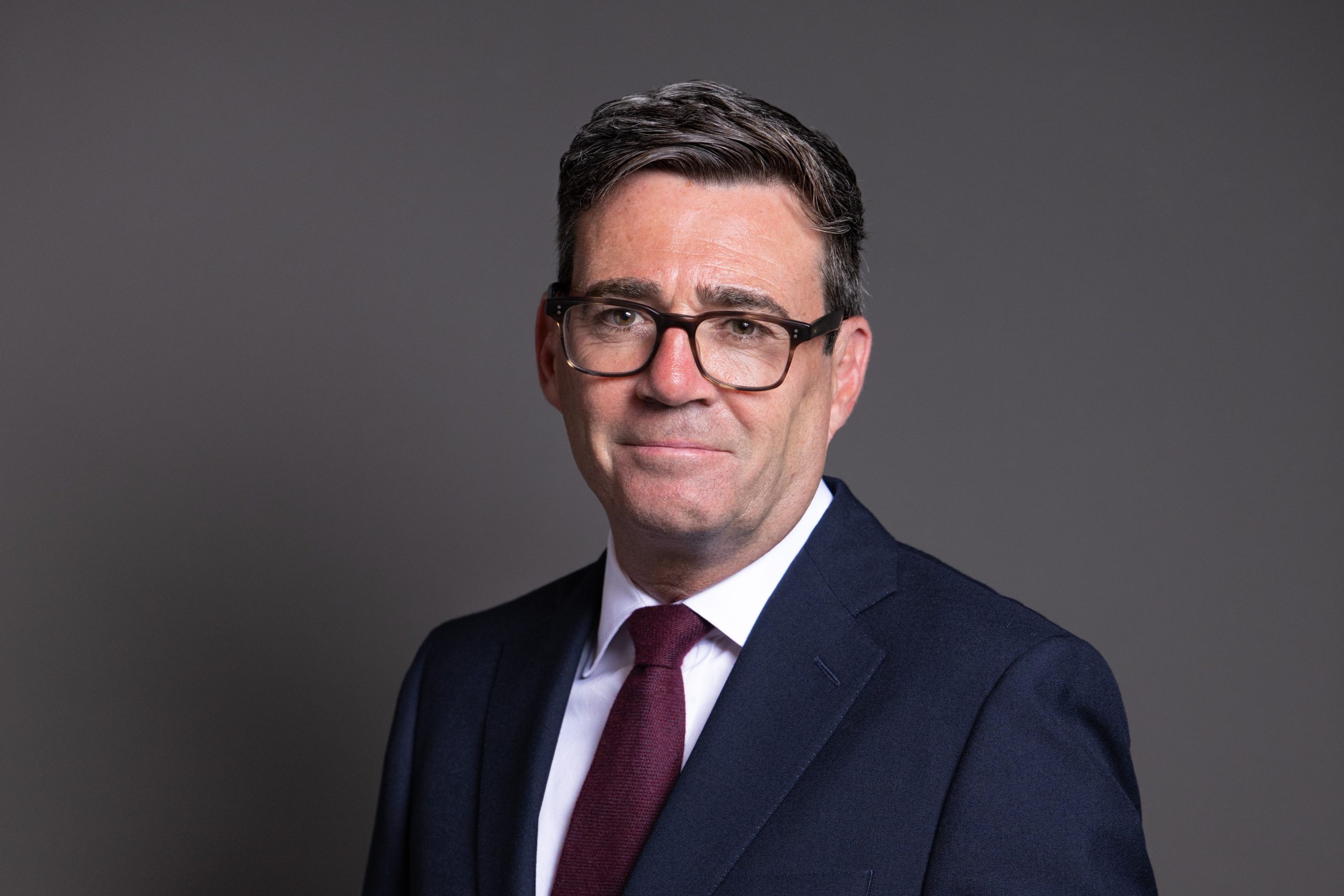
Andy Burnham has officially become the UK’s seventh Prime Minister in the last 10 years, taking office on Monday 20 July 2026.
Burnham enters No 10 Downing Street as the successor to Keir Starmer, who won a landslide election just two years ago, leading to one of Labour’s biggest electoral victories in recent history.
Support for Starmer within and without the party subsequently collapsed, however, and opened the path for Burnham to vacate his post as Mayor of Greater Manchester for a seat in Makerfield and a run at the Labour leadership.
Burnham was elected leader of the Labour Party on Friday 17 July, making it inevitable that Starmer would resign on Monday and allow his challenger to form a new government.
After his appointment as Prime Minister, Burnham made his first official address outside No 10 Downing Street. While it was a short speech, it provided a brief and clear overview of how a Burnham premiership aimed to shake up the government and deliver the change the public has clamored for.
A ‘circuit breaker’ for Britain
Burnham’s speech acknowledged a widespread frustration with government and pointed to a new way forward that would break with the tradition of the past.
He said his government would be a ‘circuit breaker’ for Britain and would bring forward the biggest changes in the last 40 years.
“Britain needs to show the world that we can regain our stability once again, and that is our challenge to make politics work, to make it work better,” he said.
“I know people at home are fed up with politics. I hear you and I want to be honest with you – we have not been good enough and we need to be better.”
Burnham said he would push for policies that would create a new political and economic model better suited to serving the needs of working people across the country.
His approach includes devolving more power to local authorities, an approached pushed by Burnham in the past and evinced by his establishment of ‘No 10 North’ as a symbol of his government’s focus on countrywide issues.
Reindustrialising Britain and ending neoliberal programmes
In his speech, Burnham took aim at privatisation and the neoliberal policies of the past, strongly standing against Thatcherite reforms that shook many parts of the economy.
“In the 1980s, Britain took some wrong turns,” he said. “Political power was centralised, economic power privatised, large parts of the country de-industrialised – and they still haven’t recovered.”
“Many feel as though they’re still in decline, and they don’t have the ability to turn things around.”
Burnham said that his approach to government would build a new economy where essential services are put back under stronger public control and made more affordable to everyday people.
Addressing cost of living
The cost of living was a major focus of Burnham’s speech.
While the new Prime Minister is working on a long-term strategy to fundamentally improve the economic position of the country, he has said he will deliver meaningful improvements to affordability in the short term, too.
“I can do something to give people some breathing space now, some help with the cost of living,” he said.
“And I will set out some of those measures starting tomorrow, including how we pay for them.”
Ending rough sleeping
In addition to imminent new measures to help with the cost of living, Burnham also announced a specific focus on ending rough sleeping.
He said that his first instruction as he entered No 10 would be to put an end to rough sleeping, framing this policy as aligned with the core values of his new government.
“I will soon go through that door behind me and issue my first instruction – to end rough sleeping in our country,” he said.
“It’s about putting the right values and the right standards at the heart of government.”
A 10-year plan to fix Britain
Burnham’s debut speech as Prime Minister was light on specific policy details, but it closely follows the tone and direction of his previous speeches in the run-up to his appointment.
Most importantly, Burnham has said he will deliver a 10-year plan to fix Britain, one that will give young people more hope and support, while improving the affordability of housing and necessity for more people across the country.
“Later this year I will bring forward a new plan for Britain, a 10-year plan laying out a path from where we are now to where I believe we all want Britain to be, wherever we’re coming from, whatever party we support,” he said.
“We will help more young people into work by changing the education system and giving them more support, more mental health support, and we will build more council homes.”
He said that this investment in housebuilding and young people is the fair and sustainable way to bring down the welfare bill while meeting fiscal rules and honouring defence commitments.
“We will help people to live well, building a more preventative state, investing in people’s success rather than paying for failure,” Burnham said.