London Mayor Sadiq Khan plans to pave way for data centres and build 558,000 new homes by 2037

Key Points
- London Mayor Sadiq Khan has published his draft London Plan, which is now open for public consultation.
- The plan priorities building as many as 558,000 new homes by 2037 and clearing way for data centres in the capital.
- Khan plans to allow building on specified zones on Green Belt land where necessary, although schemes will have to meet specific requirements to do so.
- Other elements of the plan focus on protecting nightlife, delivering economic growth, supporting high streets, and making London more resilient to heatwaves.
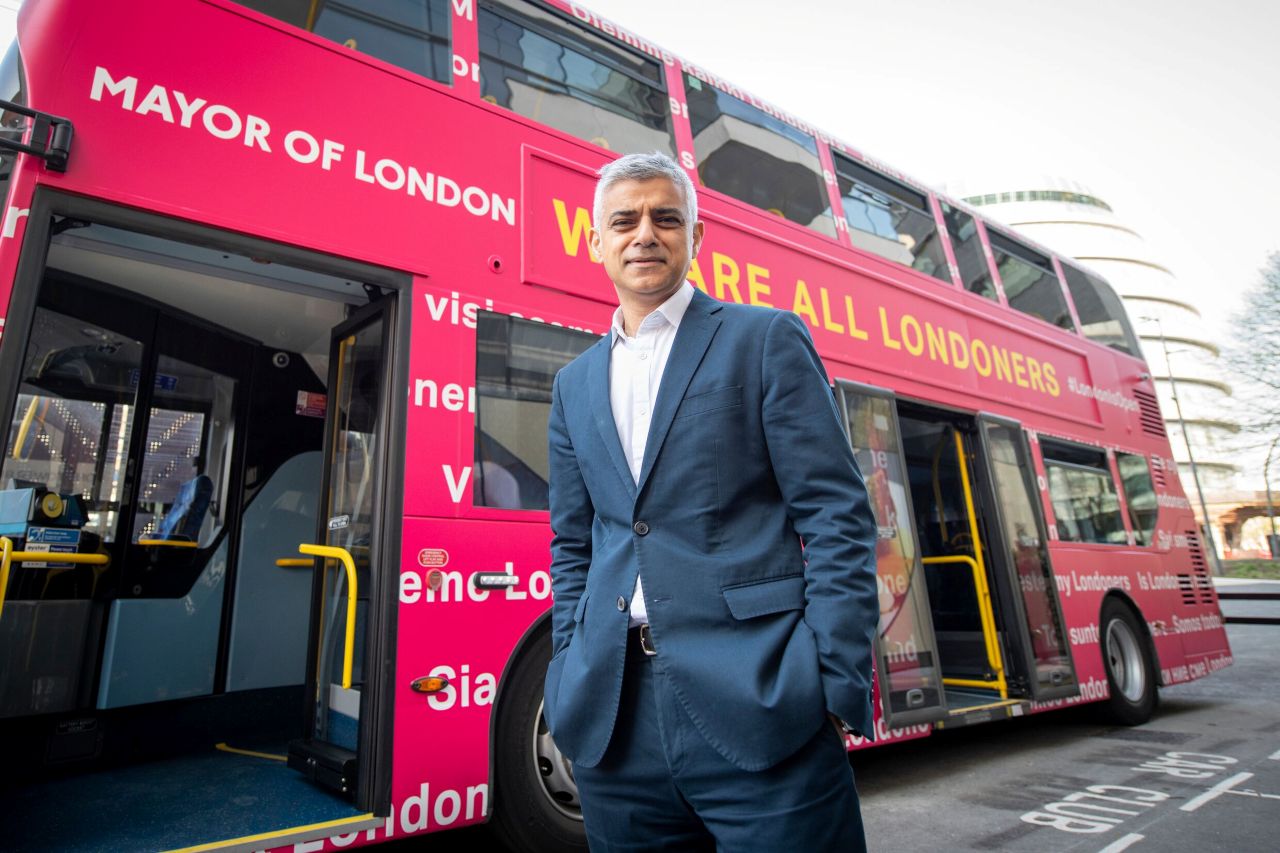
Mayor of London Sadiq Khan has published his draft London Plan, which prioritises building affordable housing and making space for data centre development.
The plan, which was published for public consultation on Thursday 16 July, has two key aims: to build as many affordable homes as possible and to deliver economic growth.
Khan said while his plan will priorities these outcomes, it would still continue to meet his green commitments and, where possible, preserve green spaces and Green Belt land.
Under the new framework, the Mayor aims to deliver 558,000 new homes by 2037, although he maintains this will only be possible with national investment in transport infrastructure to unlock housing projects.
The plan also proposes a more flexible approach to affordable housing which can, under certain conditions, be built on Green Belt land to ensure the highest possible number of new affordable homes are built in London in the coming years.
A major component of the draft London Plan is its focus on creating space for data centres and AI-linked industries. It aims to ensure there is sufficient land available to meet the needs of these industries, while also freeing up industrial land in accessible areas for housing.
Khan has pledged to make London the global epicentre for green data centres and AI infrastructure.
Data centres on the edge of the Green Belt
The draft London Plan states that local authorities should allocate suitable space for the provision of new data centre developments and work with neighbouring authorities to do so, where possible.
However, it also acknowledges that in some cases, there may be no suitable locations available. In these cases, the plan makes provision for new data centres to be built in the ‘grey belt’ or on the edge of ‘Broad Locations for Growth’ in the Green Belt.
The plan also proposes that all data centre developments should be as clean and sustainable as possible, minimising their environmental impact.
Additionally, where the London Plan makes provision for building new homes on specific zones in the Green Belt, there is a requirement that a higher proportion of these homes be affordable.
The draft plan requires that housing developments of 36 homes or more built on Green Belt land should comprise 50% or more affordable housing, although this can be reduced to 35% in areas where the development proposes significant delivery of new transport infrastructure.
Outside of housing and data centre development, the draft London Plan aims to support high streets and town centres, protect music and entertainment venues through strategic licensing, and make the capital more resilient to heatwaves and the changing climate.
“This new draft London Plan is a blueprint for how we can continue to build a fairer, greener and more prosperous London for everyone over the next 20 years,” said London Mayor Sadiq Khan.
““There are two key objectives that underpin this new plan: to build as many affordable homes for Londoners as possible in the years ahead, and to boost economic growth by creating the conditions for businesses to grow and thrive across the capital, including the industries of the future, like AI and life sciences.”
“The new plan is about doing everything possible to meet the challenges we face on housing, as well as ensuring we deliver good growth, protect London’s nightlife, revitalise local highstreets, and support the industries that will be crucial to London’s future economic success,” he said.
The draft London Plan is open for public consultation until 15 October 2026.