Britain’s new electricity pylons are a third shorter – here’s where they’re going

Key Points
- A new generation of electricity pylon standing around a third shorter than the traditional lattice tower is being used to carry power across Britain.
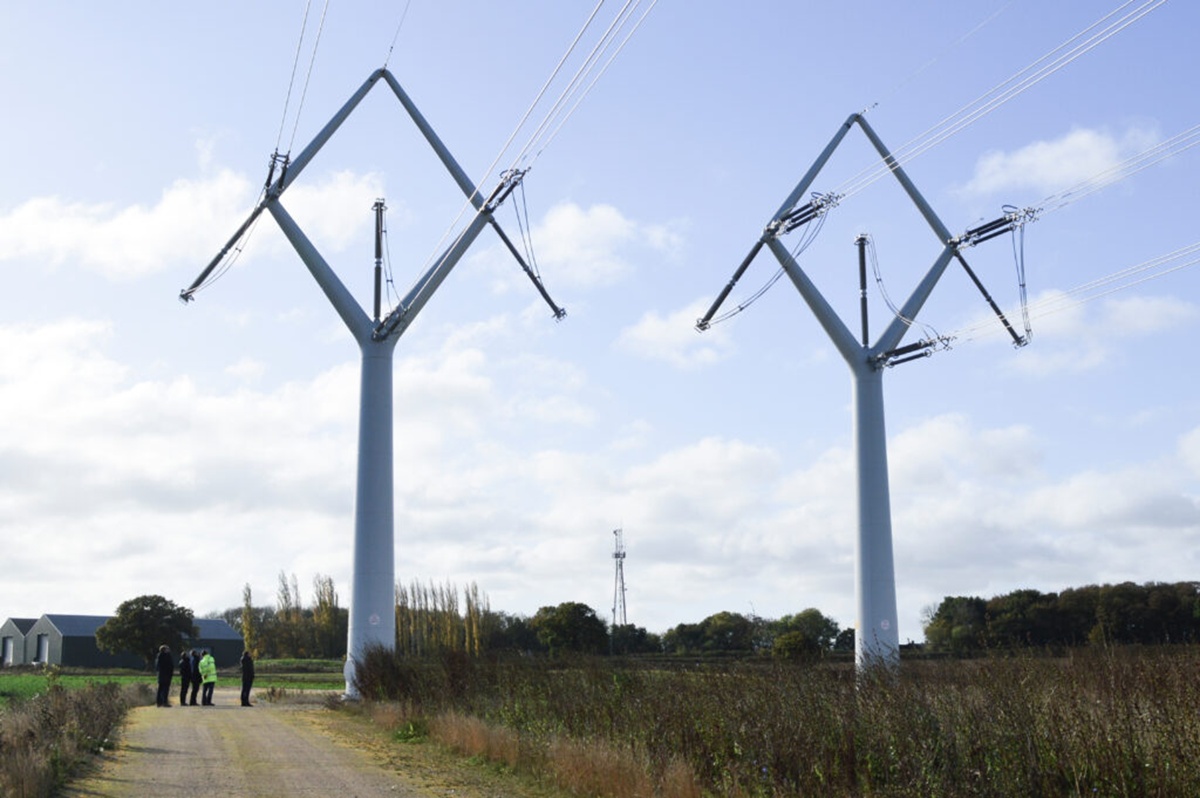
- Known as T-pylons, the design has a single pole and T-shaped cross arms that hold the wires in a diamond shape.
- The T-pylon is the first major redesign of the UK pylon in almost 100 years, the previous design dating to 1927.
- NESO highlighted the South West as the region where the design first went up, on the circuit between Bridgwater and Loxton in Somerset.
A new generation of electricity pylons standing around a third shorter than the traditional lattice tower is being used to carry power across Britain, with the South West the first region to get them, a new report by the National Energy System Operator (NESO) shows.
Known as T-pylons, the design has a single pole and T-shaped cross arms that hold the wires in a diamond shape. At around 35 metres, they stand roughly a third shorter than the 50-metre lattice pylons that have lined the countryside for decades, and take up less ground.
The first new pylon design in nearly a century
The T-pylon is the first major redesign of the UK pylon in almost 100 years, the previous design dating to 1927. It was chosen from more than 250 entries to an international competition.
NESO highlighted the South West as the region where the design first went up, on the circuit between Bridgwater and Loxton in Somerset.
According to National Grid, the £900 million Hinkley Connection Project installed 116 T-pylons along a 57km route to connect six million homes and businesses to low-carbon power, including from Hinkley Point C.

The project also removed 249 traditional lattice pylons from the landscape.
NESO said the South West will play a vital role in Britain’s energy future, and its plan keeps the region central:
- A longstanding nuclear site at Hinkley Point.
- Celtic Sea offshore wind: The recent Leasing Round 5 covers up to 4.5 GW of projects, enough to power around four million homes, with more development to follow.
- A new substation within the South West region (coded SENS in the plan), plus circuit upgrades between Alverdiscott and Taunton, and Iron Acton and Melksham.
The shorter pylon forms part of a wider NESO approach that favours upgrading existing routes and using undersea cabling over building new overhead lines, in order to limit the impact of new infrastructure on communities and the environment.