6 Scottish sites flagged as ‘high potential’ for new nuclear power plants

Key Points
- GBE-N study names six Scottish areas with potential for new nuclear.
- Sites include Torness, Hunterston, Dounreay and the Firth of Forth.
- Scotland's SNP government still refuses planning consent for new nuclear.
- Planning is devolved, giving Holyrood an effective veto.
- Study is technical only and excludes grid and policy questions.
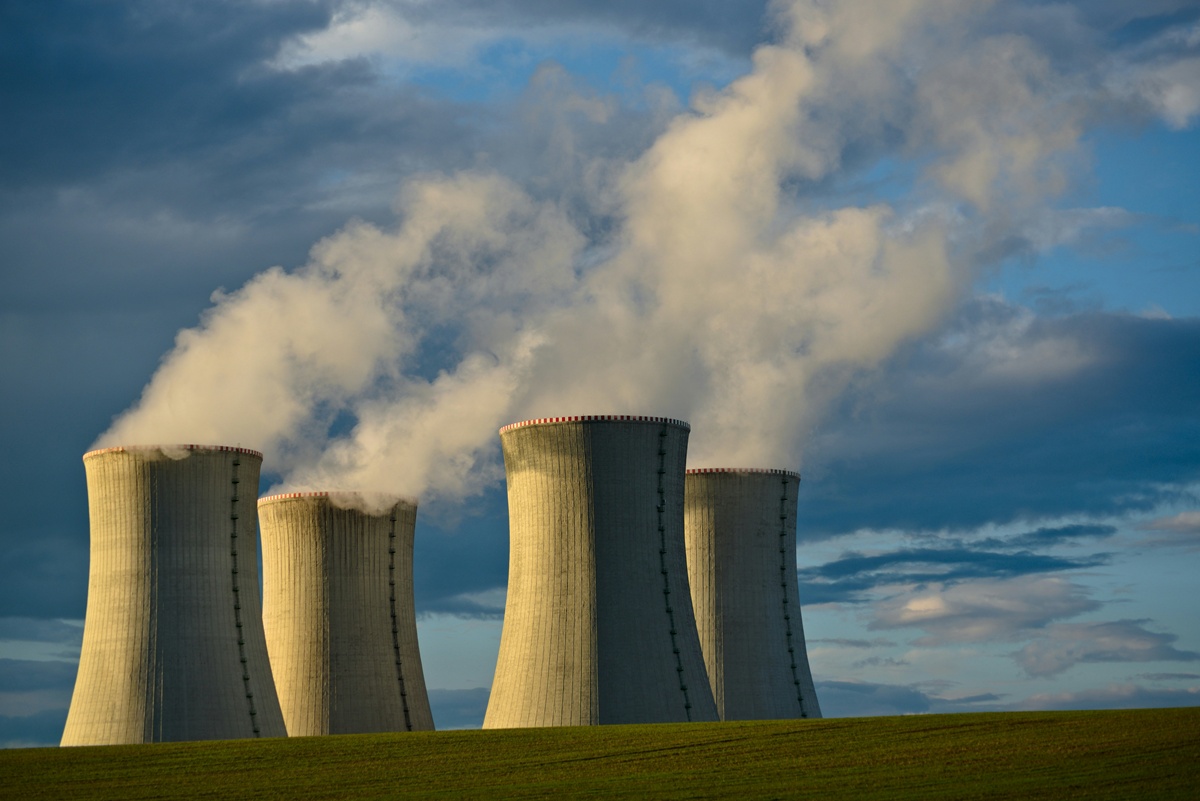
Great British Energy-Nuclear has identified six areas of Scotland as potentially suitable for new nuclear power stations, including the existing sites at Torness, Hunterston and Dounreay, in a UK government-commissioned study published on Tuesday (30 June).
The technical study concluded that Scotland has land areas with “high potential” for new nuclear development, covering both small modular reactors (SMRs) and large gigawatt-scale plants.
It was commissioned last Autumn by Energy Secretary Ed Miliband, and screened the Scottish mainland against the criteria in the National Policy Statement for Nuclear Energy Generation (EN-7), which was published for England and Wales in December 2025.
The six areas identified
The study named six land areas, all coastal or sited on major rivers and estuaries:
- Torness and surrounding coast, East Lothian – Rated the strongest technical prospect, with coastal cooling water, flat terrain, road, rail and sea links and an established restricted area and workforce.
- Dounreay and surrounding coast, Caithness – A licensed nuclear site with an experienced workforce, offset by remoteness from population centres and transport.
- Hunterston and surrounding coast, North Ayrshire – Direct coastal access and recently upgraded grid, but constrained by nearby settlements and topography.
- North Shore, Firth of Forth Estuary, Fife – Brownfield land with industrial heritage, though flood risk and nearby COMAH and oil and gas infrastructure add complexity.
- South Bank of the Forth, Stirling – Suited to smaller reactors given limited cooling water and its inland position.
- Angus and Aberdeenshire East Coast – A workforce experienced in offshore wind, oil and gas, with existing grid capacity.
The SNP veto still stands
Nuclear policy is reserved to Westminster, but planning consent is devolved to Holyrood, and the Scottish Government has a long-standing policy of refusing consent for new nuclear projects.
The SNP was returned as the largest party at the Scottish Parliament election on 7 May, winning 58 of 129 seats, and John Swinney was re-elected First Minister on 19 May, leaving that policy in place.
The study is framed throughout as applying only “should the policy position of the Scottish Government change.”
Energy Minister Michael Shanks tied the findings to the government’s wider nuclear programme. “This new report shows there is potential for new nuclear in Scotland, which could boost the country’s energy security and deliver new jobs,” he said.
“We are delivering a golden age of nuclear in England and Wales from Sizewell C to small modular reactors. Sadly Scotland is missing out on the enormous economic and energy security potential.”
The Department for Energy Security and Net Zero said the UK nuclear sector now employs a record 98,000 people, citing the Nuclear Industry Association, and that Scotland recorded the smallest jobs growth in the sector last year owing to a lack of new projects.
Tom Greatrex, Chief Executive of the Nuclear Industry Association, said Scotland “deserves the same investment and opportunities” going into England and Wales.
Jamie Stone, Liberal Democrat MP for Caithness, Sutherland and Easter Ross, welcomed the finding on Dounreay as “encouraging.”
The Scottish Government opposes building new nuclear stations using current technologies, arguing that renewables, storage and hydrogen offer the better route to net zero by 2045. It had not issued a fresh response to the report at the time of writing.
The work was a desktop screening exercise and did not include external stakeholder engagement. Scottish islands were excluded on grid and logistics grounds, and grid connectivity and engagement with the National Energy System Operator (NESO) fell outside its scope.
Any site would require detailed, site-specific assessment through the full planning and regulatory process before suitability could be confirmed.
The report also noted that the Nuclear Regulatory Taskforce Report, published in November 2025, recommended amending the semi-urban population density criterion, a change that could open up further land in Scotland, including parts of the Central Belt currently excluded.
A separate GBE-N study covering England, Wales and Scotland is due to report to ministers in Autumn 2026.