Data centres and electric cars could push UK power demand up 65%, regulator warns

Key Points
- UK electricity demand could rise by as much as 65% by 2035 as data centres, electric vehicles and electric heating draw more power from the grid.
- NESO's central forecast is for electricity demand to grow by more than 30% between now and 2035.
- The higher 65% figure is the upper estimate tied to the UK government's ambition to run a zero-carbon electricity system by 2035, in line with the Sixth Carbon Budget.
- NESO said meeting this demand requires a significant increase in clean generation, led by offshore wind and supported by onshore wind, solar and storage.
UK electricity demand could rise by as much as 65% by 2035 as data centres, electric vehicles and electric heating draw more power from the grid, according to the National Energy System Operator (NESO).
NESO’s central forecast is for electricity demand to grow by more than 30% between now and 2035.
The higher 65% figure is the upper estimate tied to the UK government’s ambition to run a zero-carbon electricity system by 2035, in line with the Sixth Carbon Budget, as transport and heating shift away from fossil fuels.
What is driving the surge?
NESO pointed to a combination of new and growing sources of electricity demand:
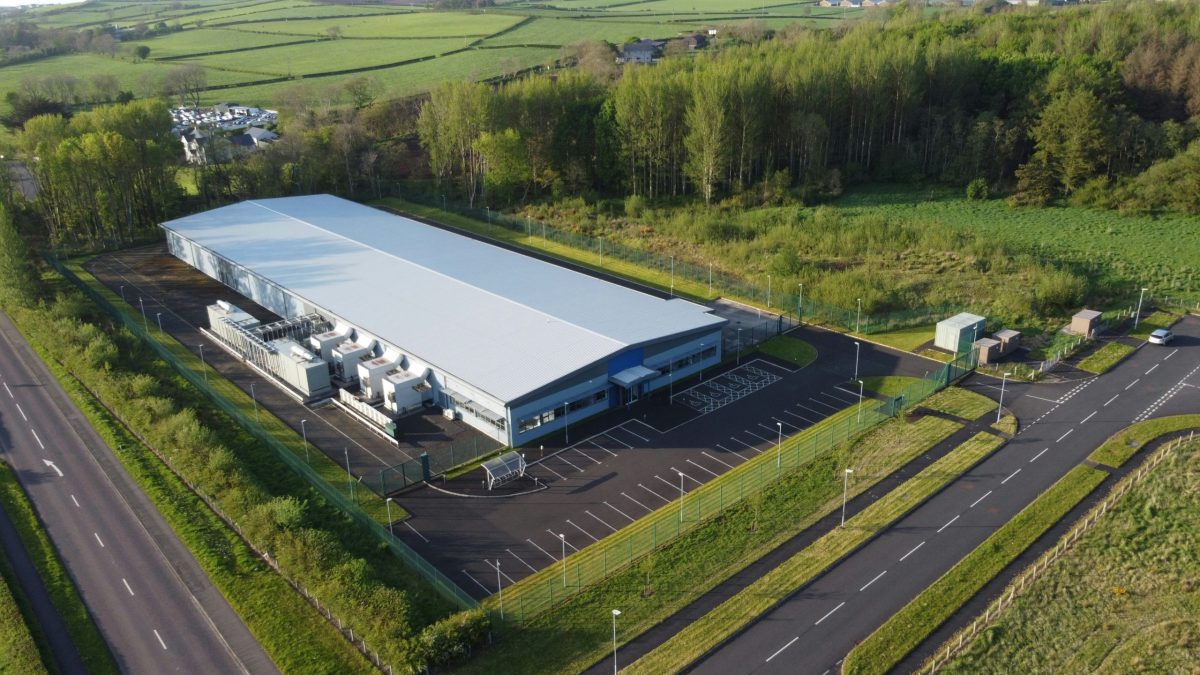
- Data centres: Named as one of the new industries the future grid must power, alongside manufacturing.
- Electric vehicles: Charging is already reshaping demand patterns.
- Electric heating: The early impacts of heat electrification are starting to show.
Heating and transport are now the UK’s largest sources of emissions, so electrifying them means replacing fossil fuels with zero-carbon power.
NESO said electricity production could be around twice current levels by 2035.
Meeting the demand
NESO said meeting this demand requires a significant increase in clean generation, led by offshore wind and supported by onshore wind, solar and storage.
It added that upgrades to existing infrastructure alone would not be enough, because much new generation is being built in coastal and remote areas where the network has limited capacity.
The operator framed the build-out as an economic opportunity as well as an engineering one.
Independent analysis cited in the report suggested the wider transmission programme could deliver around £15 billion in economic benefits and support more than 20,000 jobs on average each year through to 2050, with 90% of those benefits felt outside London and the South East.