New proposal to introduce tax-free shopping in London

Key Points
- New West End Company has called for a tax-free shopping incentive for international visitors to London in a new report produced with Colliers.
- London is one of four cities in a thirteen-city index with no visitor spending incentive; around 60% of international visitors surveyed said such a scheme would increase their spending.
- Tax-free shopping, the VAT Retail Export Scheme, was withdrawn in Great Britain on 1 January 2021; retail and tourism bodies have campaigned to reinstate it since 2023.
- The government has not announced plans to restore the scheme.
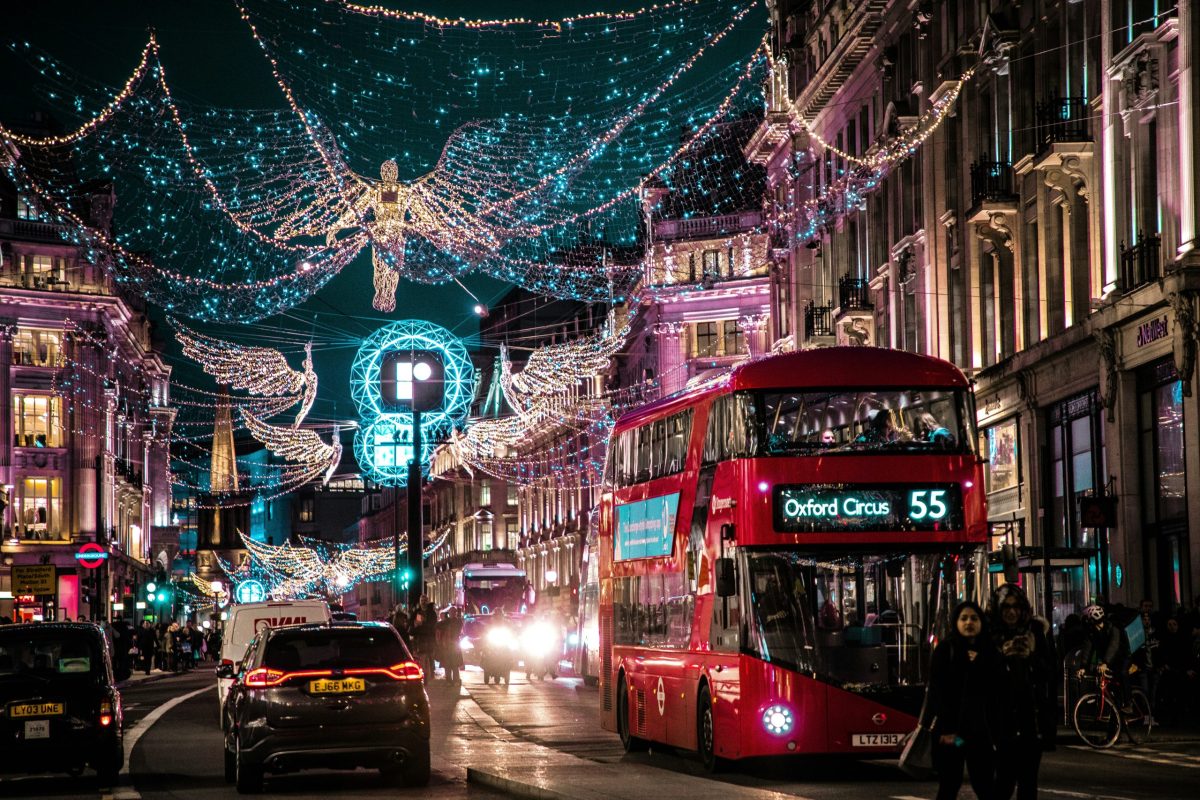
The New West End Company has called on the government to introduce a tax-free shopping incentive for international visitors to London.
The proposal appears in Unlocking the London Advantage, a new report from the West End business group, produced with property consultancy Colliers, which benchmarks London against twelve other global cities across six categories.
It recommends the government either introduce a competitive incentive scheme for international visitor spending or reinstate tax-free shopping outright.
London is one of only four cities in the thirteen-city index without any visitor spending incentive, alongside Hong Kong, New York and Los Angeles.
The report states that around 60% of international visitors surveyed said a scheme such as tax-free shopping would increase how much they spent, with 10% saying it would do so significantly.
The findings draw on the New West End Company Consumer Insights Programme, based on 1,054 face-to-face interviews conducted across ten West End locations in November and December 2025. Interviews were carried out in five languages.
Tax-free shopping for overseas visitors ended in Great Britain on 1 January 2021, coinciding with the end of the Brexit transition period.
The scheme, formally the VAT Retail Export Scheme, had allowed non-EU visitors to reclaim the 20% VAT paid on goods bought in UK stores and exported home. The government said the change was made to simplify the tax system and reduce administrative costs.
Retailers and tourism bodies have campaigned to bring the scheme back since 2023. The Association of International Retail has estimated that restoring tax-free shopping could return around £11 billion in tourist spending and support 120,000 jobs.
Oxford Economics has put the net gain at around £350 million a year in GDP and more than 70,000 jobs, with a near-neutral impact on the public finances once knock-on tax receipts are counted.

The removal left the UK as the only country in Europe where international shoppers cannot reclaim VAT on goods bought in store.
The report ranks London last of the thirteen cities on policy competitiveness, the only category in which it does not finish in the top six.
New West End Company argues that the absence of a visitor spending incentive, alongside restrictions on Sunday and late-night shopping hours, is constraining the capital’s retail economy. It says nine of the thirteen cities benchmarked offer tax-free shopping or an equivalent incentive.
The report also points to rising costs for visitors. London is named the third most expensive city in the index for a three-night break at £690, behind Paris at £930, against an index average of £500.
The Electronic Travel Authorisation, which visitors must buy to enter the UK, doubled from £10 to £20 over the past year and was extended to include EU residents.
Among higher-spending visitors surveyed, the report says preferences shifted towards Gulf cities including Abu Dhabi and Dubai, along with Hong Kong, all destinations where tax-free shopping is standard.
The West End generated nearly £9 billion in turnover in 2025, and international visitation to the district grew 11.8% even as London’s overall inbound numbers fell 3.1%.
The government has not yet announced any plans to reinstate the scheme.