As old landlines die off, the UK is turning to mobile mast backups

Key Points
- Ofcom published revised network resilience guidance on 16 June 2026, clarifying its expectations for mobile mast power backup for the first time.
- Operators are expected to take "robust measures" against power outages and surges, but no fixed number of backup hours is set for mobile sites.
- The change follows the retirement of copper landlines, which could work for days in a power cut; mobile and broadband cannot.
- 79% of 999 calls in 2023 were made from mobiles, making mast power a public-safety issue.
- New fixed street cabinets should have around four hours of backup; core network sites should survive five days; landline-dependent customers must be offered at least one hour of emergency-call backup free of charge.
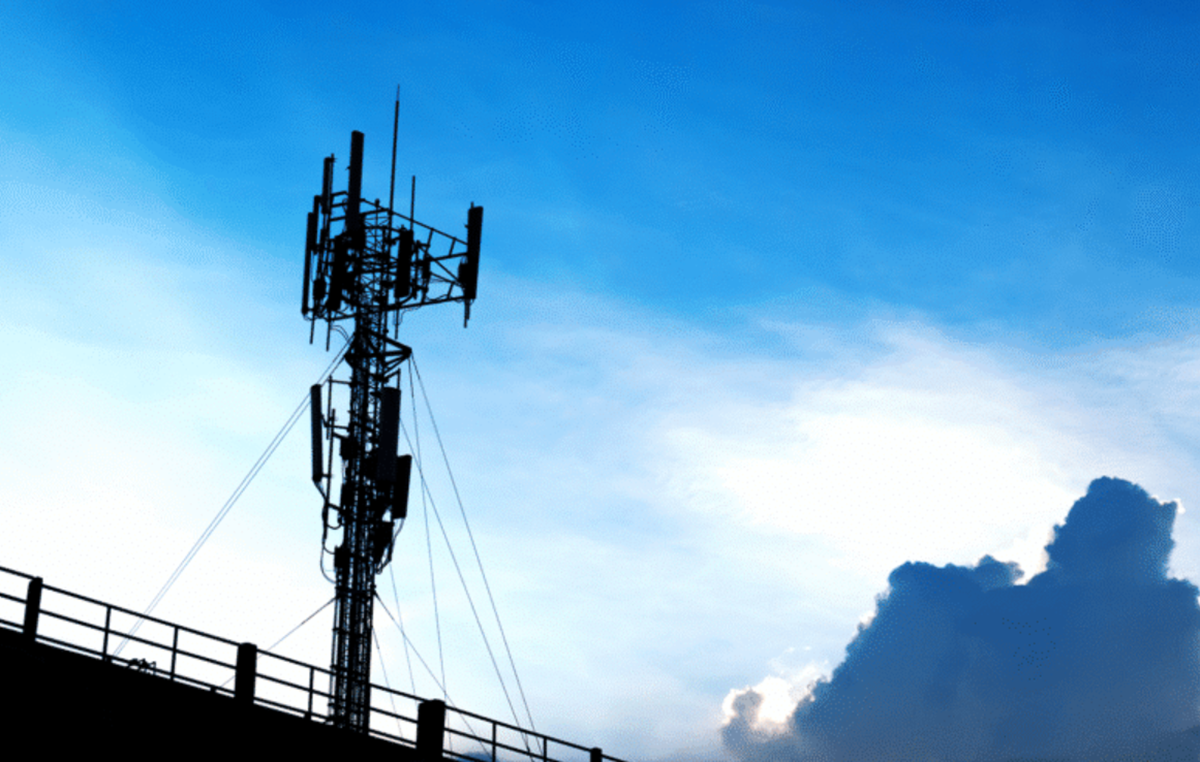
Regulator Ofcom has set out what it expects mobile operators to do to keep their masts running during power cuts.
The expectations appear in a revised version of Ofcom’s Network and Service Resilience Guidance for Communications Providers, published on Tuesday (16 June).
The regulator said it expects mobile network operators to take “robust measures” to manage and mitigate the risk of power outages, and to support continued communications services during outages and surges that might reasonably be expected to occur.
The previous version of the guidance, first published in 2024, left the section on mobile mast power backup largely unfilled while Ofcom carried out further studies.
The new update clarifies the regulator’s stance on power backup for mobile cell and mast sites, alongside wider measures on network design that were already in place.
The change lands as the UK retires its old copper telephone network. Traditional landlines drew power down the line from the exchange, which meant a phone could keep working through a mains power cut at home for a number of days.
Broadband and mobile services do not work the same way, and can stop functioning far sooner when the power goes out. Ofcom said further steps are therefore needed to provide a suitable level of availability as services move to “All-IP”.
Access to emergency services
Ofcom framed the issue largely around access to emergency services.
The regulator noted that 79% of calls to the emergency services in 2023 were made from mobile phones, up from 74% in 2021, and that the emergency video relay service is primarily a mobile-based service. A mast that loses power is therefore a barrier to reaching 999, not only an inconvenience.
For mobile sites, the guidance stops short of setting a fixed number of hours of backup power.
Instead, Ofcom said operators should maintain an ongoing programme of risk assessment and make investments commensurate with the risks identified, including considering communities that may be particularly vulnerable to the effects of a power failure in the mobile network.
It said resilience of equipment and key dependencies, including mains power and network timing, should be considered in site design, and that providers should seek to eliminate the loss of those dependencies for a significant period where possible.
Ofcom was more prescriptive about other parts of the network. It said powered components in new fixed access street cabinets should have a backup solution installed, and that backup of around four hours would be good practice at the point of installation.
Core sites, which hold a network’s most critical functions, are expected to survive power loss for a minimum of five days using batteries and on-site generators that can be refuelled while running.
Separately, providers must already offer landline-dependent customers a solution that supports emergency calls for at least one hour during a power cut at their premises, free of charge.
The regulator pointed to climate change and severe weather as a driver, citing Storm Arwen as an example of an event that can cause mains power loss and direct damage to telecoms infrastructure.