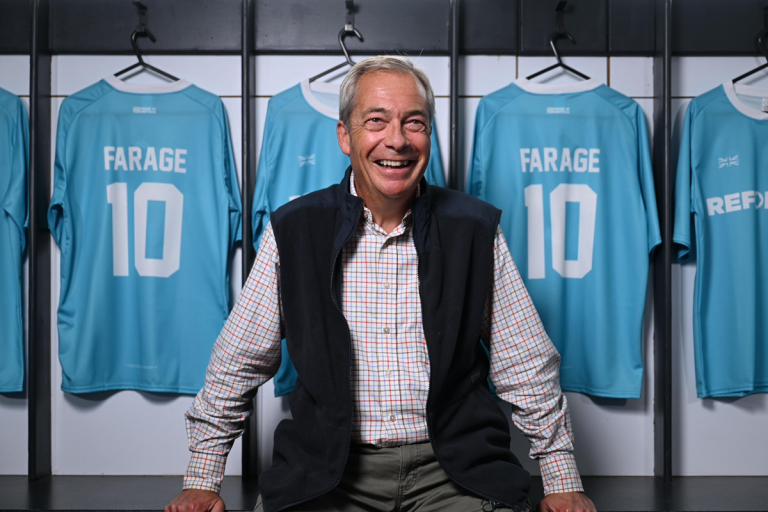
My X feed is full of Nigel Farage beating people up – and it’s part of something far more sinister

Key Points
- AI-generated clips falsely showing Nigel Farage attacking public figures, including a fabricated Question Time row with Bank of England Governor Andrew Bailey, are circulating as paid ads on X.
- The links lead to web pages impersonating BBC News.
- The ad promotes an "AI investment platform" (Garlenix), using invented quotes, a fake FCA registration number, a fabricated bank statement, fake testimonials and a countdown timer to pressure users into a £250 deposit.
- UK regulators (ASA, FCA) have flagged celebrity deepfake investment ads as the most-reported scam ad type, and X faces tightening Online Safety Act fraudulent-advertising duties enforced by Ofcom in 2026.
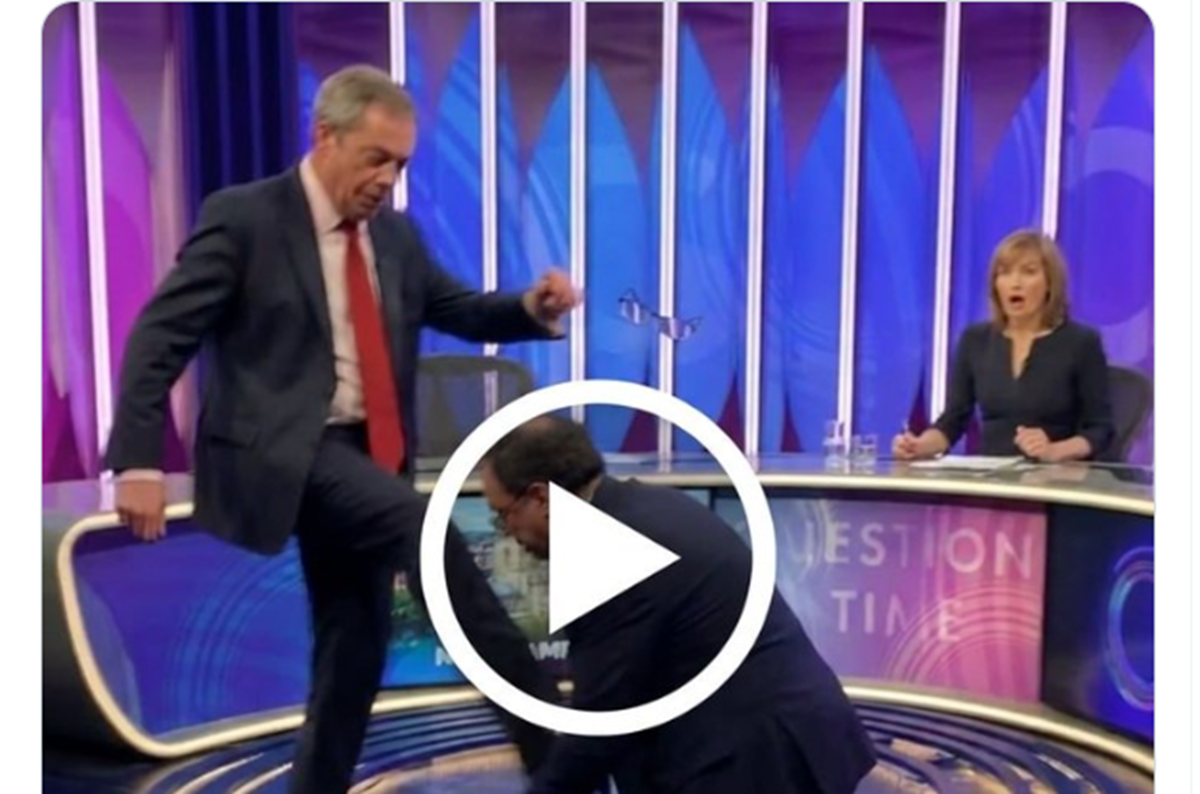
For close to two weeks now, my X feed has been trying to convince me that Nigel Farage has appeared on the BBC’s Question Time programme and shown off his bare-knuckle boxing skills.
In one clip, he is squaring up to Bank of England Governor Andrew Bailey on the Question Time set; Bailey crumpled on the studio floor while Fiona Bruce is sat open-mouthed behind the desk.
A white play button sits over the top of these images, and the caption promises that Farage has just ‘exposed’ something the establishment doesn’t want you to see.
There are others images and adverts like this. One features Farage decking pundits, another Farage humiliating a group of bankers, and another which appears to show him fleeing off stage.
All of it is AI-generated, but what is the purpose of these bizarre adverts?
A platform drowning in fake ads
If your timeline looks anything like mine, you’ll have noticed the change.
Over recent weeks, the volume of obviously AI-generated advertising on X has surged, and a large slice of it leans on famous faces and clickbait headlines engineered to get you to click.
Last week, Ofcom announced it will publish a draft Fraudulent Advertising Code of Practice this summer that draws on its research into deepfakes, as more than one in five internet users report encountering fake or deceptive images or videos online.
One recent analysis of more than 4,000 historical AI-fraud incidents found that Donald Trump was by far the most frequently impersonated public figure, appearing in almost one in five reported deepfake cases, with Elon Musk who featured in 10.49% of reported cases in second place.
Slap a popular politician like Farage onto a “leaked” panel-show row, and you’ve manufactured instant clickability.
Click through and you’re on the BBC
While the fake adverts are admittedly bizarre and slightly humorous at times (Please don’t hurt Mr Bailey though – I think he’s doing a fine job), they are also more sinister than they first appear.
Tap the fake Farage clip and you don’t land on a video at all. You land on a web page dressed up to look like a BBC News article, complete with familiar layout cues, and a bylined “news editor”.
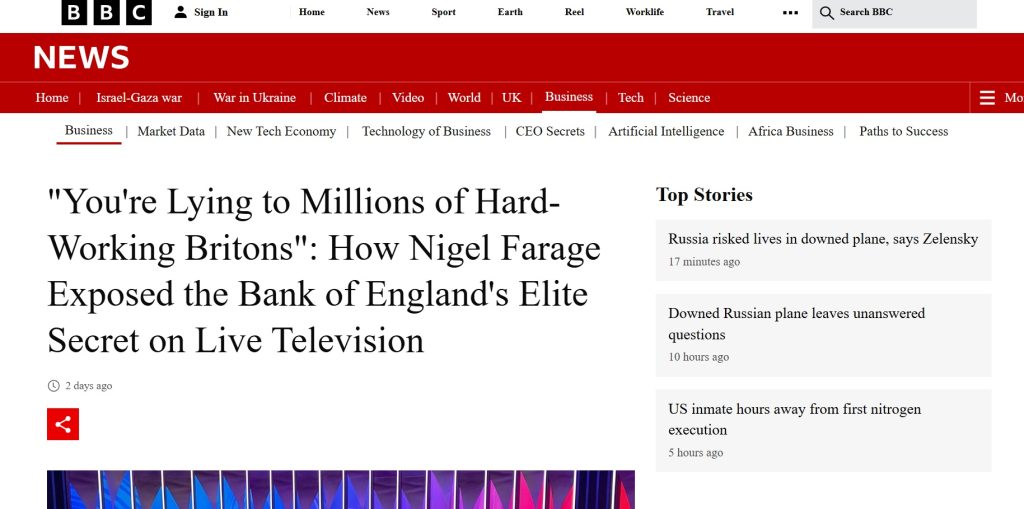
Strip away the BBC costume and the page is an advert for an “AI-powered investment platform” called Garlenix, pushing readers to deposit £250.
The article tells a story that never aired. It claims that during a Question Time episode, Farage tore into Bailey over the cost of living, that the Governor stormed off set, and that the studio erupted. Every quote attributed to both men is fabricated.
There was no such confrontation, Bailey did not walk off, and the dramatic dialogue exists only to lead into the pitch: the invented Farage is made to “reveal” a platform that supposedly turns £250 into thousands of pounds within weeks, with money “hitting real accounts.”
From there, the page runs through the full scam checklist, including guaranteed, eye-watering returns. It even cites a (fake) FCA registration number to look authorised.
A countdown insists registration closes within 24 hours, a live counter claims a couple of hundred people are “viewing this page right now”, and the instructions warn that your “place” will be given away if you don’t act.
I am not the first to notice the adverts, and . X users have been flagging the Farage clips and the fake BBC pages they lead to:
A growing problem
Arguably, the biggest problem is that this content is being served as paid advertising on a platform that profits from the impressions.
Other platforms are at least being seen to act. Meta recently filed lawsuits against four scam operations spanning three countries that used AI-generated deepfakes and celebrity impersonation to run fraudulent ads across Facebook and Instagram.
X, meanwhile, is already under the microscope.
The Online Safety Act carries a dedicated fraudulent-advertising duty for the largest platforms, with Ofcom due to publish a consultation on additional duties (including fraudulent advertising, terms of service, user empowerment, and ID verification) in the summer of 2026.
Political figures are fast becoming the raw material for this fraud, and Farage is simply the newest face to be cloned for it. Platforms that keep taking money to serve these ads while the fake-BBC pages rack up victims are not bystanders to the problem but are taking money for distribution.
If X wants to avoid being made an example of when the fraudulent-advertising duty bites, the time to fix its ad pipeline is before the regulator does it for them.