The 3 AI futures Britain must choose between: Starmer

Key Points
- Prime Minister Keir Starmer set out three options for Britain on artificial intelligence in a speech at London Tech Week, saying the country must choose whether to shape the change "or allow it to shape us."
- He rejected the first option of ignoring AI and "hoping for the best," and the second of removing "guardrails completely," warning the latter risked leaving communities behind and concentrating wealth and power.
- Starmer set out a third path as the Government's choice, with British firms backed to "start here, scale here, and stay here" and an "active" government role alongside national sovereignty.
- He announced a sovereign compute strategy including around £400 million for specialist AI chips, and said 1.7 million workers had received AI training against a 2030 target of 7.5 million.
- The Prime Minister called on tech firms to introduce device controls stopping children sending and receiving sexually explicit images, warning the Government would change the law if they did not act.
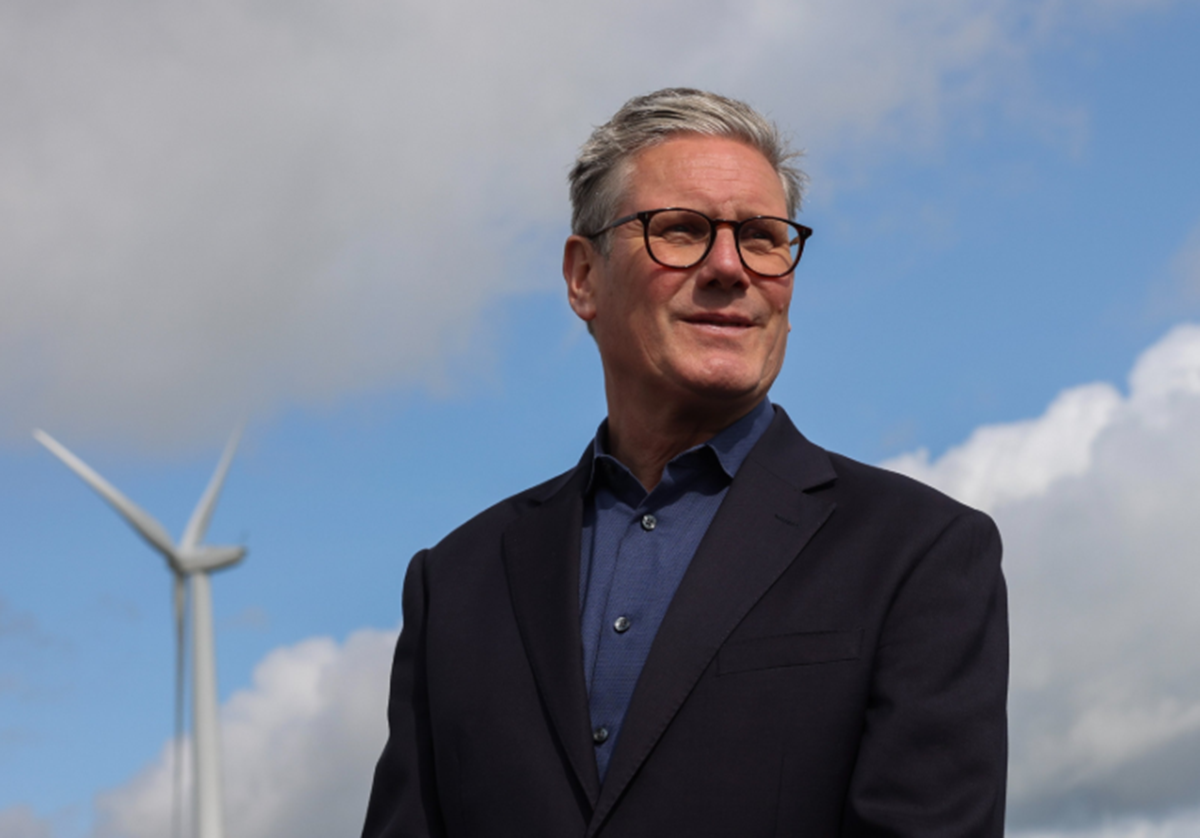
Prime Minister Keir Starmer set out three possible futures for Britain’s relationship with AI in a speech at London Tech Week, telling delegates the country faced a fundamental choice over whether to “shape this change” or “allow it to shape us.”
Starmer said that on artificial intelligence, Britain had three options. The first, he said, was to “stick our head in the sand,” pretend the technology was not happening and “hope for the best” – an approach he said he would not accept.
The second was to “remove the guardrails completely” and ignore the consequences, which he said risked some communities being left behind, wealth and power becoming concentrated in fewer hands, and children facing an increasingly unsafe world online. He said he would not accept that path either.
The Prime Minister set out a third option as the government’s chosen route, describing it as one where ministers back the British businesses creating future jobs and technologies “but never lose sight of who that progress must serve.”
He said the aim was for British tech companies to “start here, scale here, and stay here,” with the rewards of their success felt in communities across the country. Under this approach, he said, government would be “active” – supporting risk-takers, making its own bets and providing the conditions for businesses to thrive – while ensuring Britain remained sovereign and gave working people “security and opportunity through change.”
Starmer framed the choice as one about national identity rather than technology alone. He said the real question was “what kind of country we want to be” as the technology developed, adding that the British people needed to see the benefits of AI in their communities “for any of it to carry consent.”
He said he had spoken to workers concerned about what the growth in tech meant for their jobs, parents worried about what it meant for their children, and people outside London who feared it meant “nothing for them at all.”
The Prime Minister set out the three options after describing Britain as “on the precipice of something truly extraordinary.” He said Britain was the third largest technology economy in the world and that British startups had raised close to half of all European tech investment so far this year.
He used the speech to announce a new strategy to develop sovereign compute capability, including a commitment to purchase specialist AI chips worth around £400 million, alongside plans to scale the Government’s testbed for AI compute systems into a national capability.
He also restated a target of upskilling 7.5 million workers with AI training by 2030, reporting that 1.7 million had received training so far, and announced a new AI jobs tool to help unemployed people find work and build CVs, plus AI tutors to be rolled out to the 450,000 children on free school meals.
On child safety, Starmer called on tech companies operating in Britain to introduce device controls preventing children from sending and receiving sexually explicit images, warning that the Government would change the law if they failed to act.
Closing the speech, the Prime Minister said the Government had “made its choice,” adding: “We choose to take control of our future, we choose to be ambitious about what Britain can achieve, and we choose to make AI work for the whole of our country.”