I am being priced out of gaming in the UK – and I am not alone

Key Points
- Gaming, once an affordable hobby, is becoming expensive in the UK due to inflation, global supply issues and surging AI-driven demand.
- Nintendo’s Switch 2 price hike, PS5 at £570, Xbox Series X at £500, and skyrocketing RAM prices have made new consoles and PC builds feel like luxuries.
- AAA games now launch at £70+, while online subscriptions like PS Plus and Nintendo Switch Online add recurring costs.
- Yet it’s still a golden age for gamers with big releases like Forza Horizon 6 and James Bond this month, plus cheap indies.
Gaming was always meant to be an accessible escape.
While other hobbies demanded expensive kits, club memberships or travel, you could grab a second-hand console or build a modest PC and lose yourself for pennies.
Global supply-chain chaos, rampant inflation, and the insatiable hunger of AI data centres have sent hardware and prices soaring.
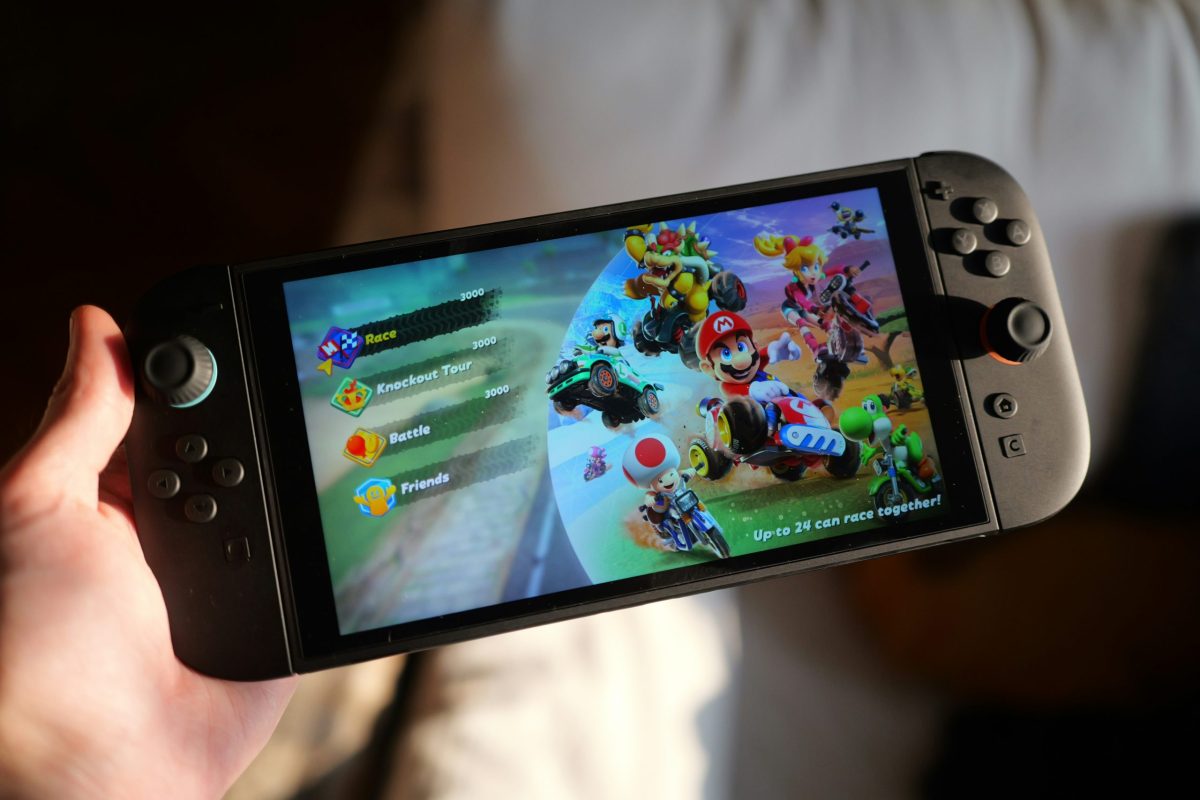
The latest blow was Nintendo’s announcement of a Switch 2 price hike on Friday (8 May), which has left many British gamers wondering whether their favourite handheld is about to become a luxury item.
We reached out to Nintendo UK for comment on the UK-specific pricing and any plans to mitigate the increase for domestic customers. At the time of publication, we had received no response.
But Nintendo is only the latest of the three big console manufacturers to increase prices.
The PlayStation 5 now carries an official recommended price of £569.99 in the UK, up £90 from its previous level after Sony’s March 2026 adjustment.
The disc-less Digital Edition sits at £519.99, while the more powerful PS5 Pro commands a staggering £789.99.
Microsoft’s Xbox Series X 1TB model retails for £499.99, with the 2TB variant hitting £589.99.
For people earning middle-class salaries in the UK, these prices are simply no longer within reach for what is a luxury purchase.
Rising PC prices
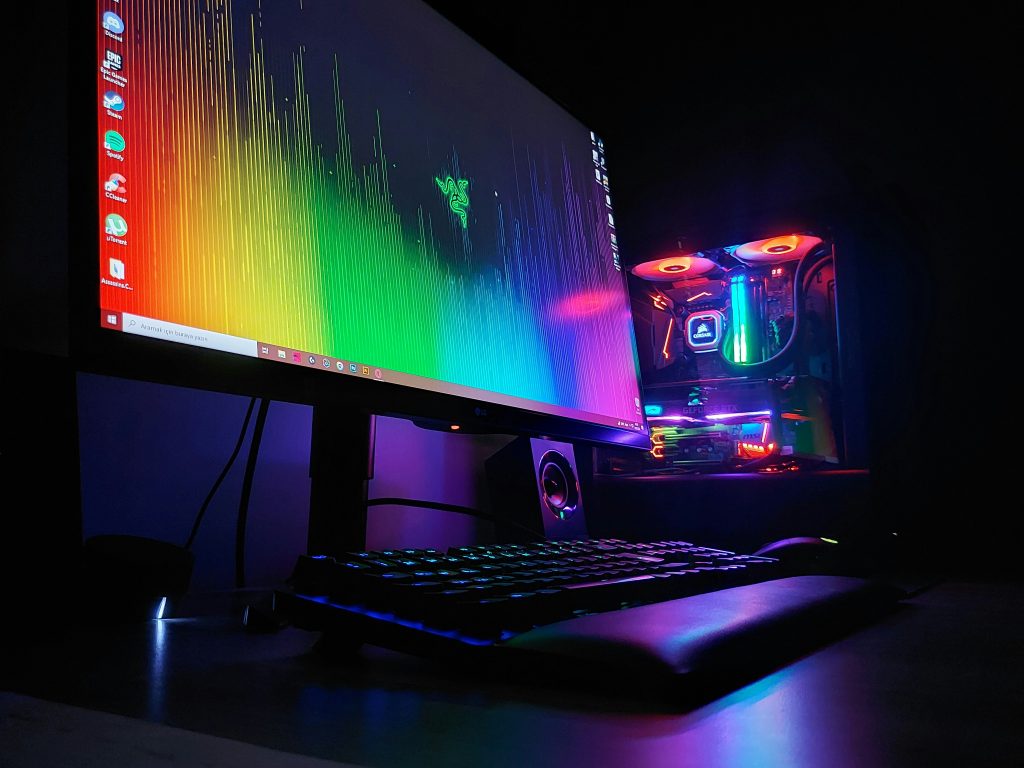
Building your own PC, once the budget-conscious gamer’s holy grail, has become almost punitive.
The same global RAM shortage that is inflating everything from smartphones to servers means that I am left praying my ageing desktop doesn’t give up the ghost, as I am not sure I could afford to replace its components.
DDR5 memory prices have more than doubled since late 2025, driven by explosive demand from AI training clusters.
A decent 32GB DDR5 kit that might have cost £80–£100 two years ago now routinely exceeds £200, pushing a solid mid-range gaming rig well past £1,200 before you’ve even added a graphics card.
For many of us who used to upgrade every couple of years, that’s simply not an option.
The price of games
The software side isn’t helping either, although I will add the caveat that the price of games has seen nowhere near the same level of increases.
Instead, the costs of development are being passed onto gamers in other way.
Full-price AAA titles now launch at £69.99 or £79.99 as standard.
Publishers have also normalised season passes, battle passes, cosmetic bundles and “deluxe” editions that can easily double the cost of entry.
And if you want to play online on console, you’re expected to pay extra.
PlayStation Plus Essential starts at £6.99 a month (or £59.99 a year), while a Nintendo Switch Online individual membership is £17.99 for 12 months.
These used to feel like minor add-ons; now they’re another recurring line item in an already stretched household budget.
Even the supposed bargains are losing their shine. Xbox Game Pass Ultimate, once the undisputed king of value, saw a hefty price rise last year before Microsoft slashed it back to £16.99 a month in April 2026.
It’s a welcome cut, but it’s still nowhere near the deal it once was, especially now that day-one releases for major titles like Call of Duty are no longer included.
All this sucks – because the games are great

Paradoxically, it remains a genuinely great time to be a gamer if you can afford it.
This month alone, we’re getting two blockbuster releases: Forza Horizon 6 roars onto Xbox Series X|S and PC on 19 May, while the long-awaited 007 First Light, the first new James Bond game in over a decade, lands on 27 May across consoles and PC.
At the other end of the spectrum, the indie scene is thriving. Brilliant, inventive titles continue to drop for under £20 on Steam, the Nintendo eShop and PlayStation Store, proving that creativity and fun haven’t been entirely priced out.
But much like the cost of housing in the UK, it doesn’t feel sustainable in the long-term.
We’re watching the AI boom drive up component costs across the entire consumer-electronics industry. When that bubble eventually cools, as all investment manias eventually do, will manufacturers pass the savings on, or have £500–£600 consoles simply become the new normal?
Will RAM prices ever return to pre-2025 levels, or are we stuck in a world where memory is permanently expensive because data centres need every last stick?
For now, many of us are left making tough choices: skip the new console, hunt for second-hand deals, lean harder into free-to-play and indies, or simply play less.
Gaming was always a luxury, but it was never meant to be unaffordable to the average consumer.
If prices keep climbing, a generation of British players risks being priced out of the hobby they love.
Ryan Brothwell is an Editor at HotMinute.