Nuisance drones over UK gardens face new tracking system

Key Points
- The UK government has committed £20.5 million to a national drone identification system that will let police trace operators in real time, sitting inside a wider £46.5 million package for the drone and air taxi sector.
- The Hybrid Remote ID system broadcasts a drone's identity and location during flight, and stores historic flight data that authorised users can access remotely.
- The funding builds on Remote ID rules that became mandatory for UK1, UK2 and UK3 class drones from 1 January 2026.
- Operators flying without the correct registration face fines of up to £2,000 under existing CAA enforcement.
- Flying taxi approvals are targeted for 2028 under a separate £26.5 million regulatory reform stream.
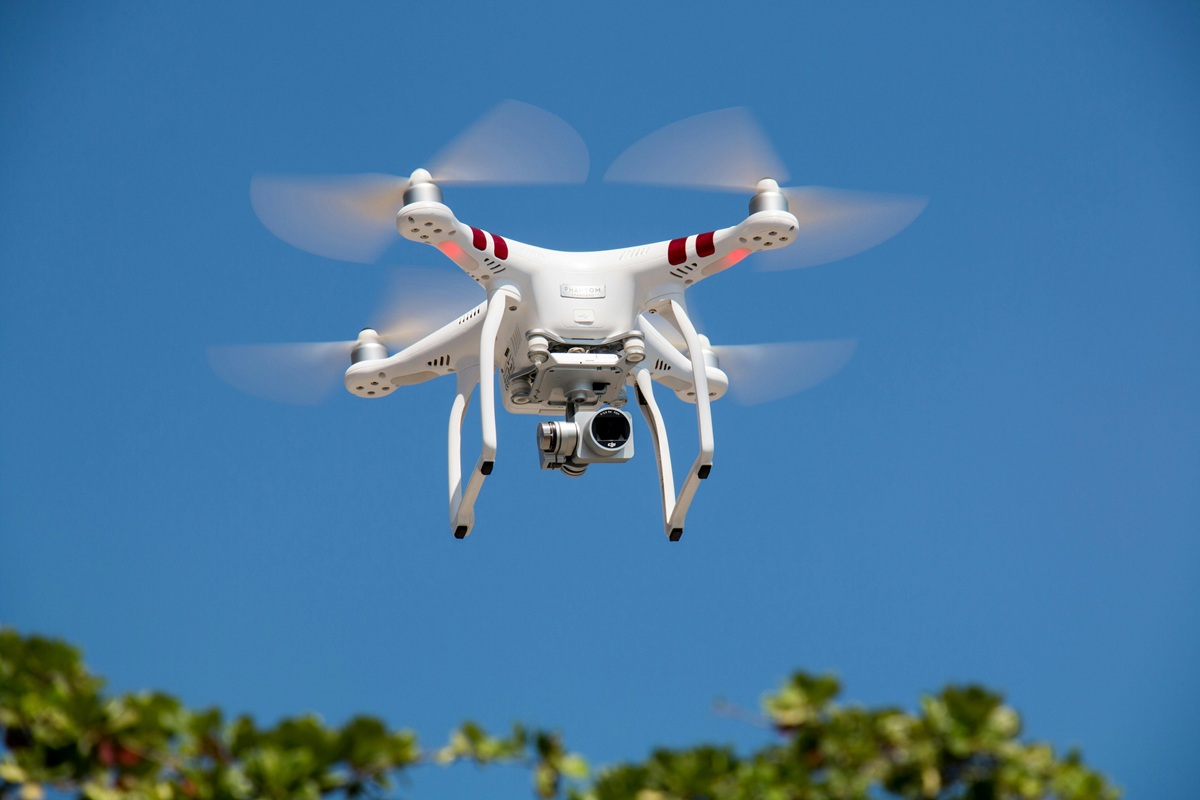
UK households are set to gain new tools to identify drones flying over their gardens after the government committed £20.5 million to a national drone tracking system that police will use to trace operators in real time.
The tracking system forms part of a £46.5 million package announced by the Department for Transport on Tuesday (5 May).
The funding will pay for a Hybrid Remote ID system that broadcasts a drone’s identification and location during flight, lets authorised users access flight details remotely, and stores historic data for use after a complaint or incident.
Until now, householders who spotted a drone over their property had little to go on beyond the visible aircraft itself, and the Civil Aviation Authority’s public reporting route directs people to call 101 for non-emergencies or 999 for immediate danger.
Embedding ID into every flight gives police a route to identify the operator even when the pilot is not standing within sight of the drone. Security Minister Dan Jarvis said the funding effectively creates “a numberplate system for the skies”.
A £46.5 million package
The total government commitment will be split into two streams.
£20.5 million will support the bespoke drone identification system, while £26.5 million will fund regulatory reform that Aviation Minister Keir Mather said will speed up approvals for drone operations across emergency response, medical logistics and infrastructure inspection.
The Department for Transport projects the wider sector could contribute up to £103 billion to the UK economy by 2050, a figure that comes from government modelling rather than independent forecasts.
Flying taxi commercial operations remain the headline ambition, with the government targeting first approvals from 2028.
How the new Hybrid Remote ID works
Hybrid Remote ID combines a local broadcast with a secure online back end.
The drone transmits its identity and location while flying, so anyone with a compatible receiver nearby can pick it up.
The same flight details flow into a network that authorised users can access remotely, and the system retains historic data for follow-up investigation.
The build extends existing Remote ID rules introduced on 1 January 2026, which already require operators of UK1, UK2 and UK3 class drones to switch on the Remote ID function before each flight.
UK drone law already requires operators to register for an Operator ID and pilots to hold a Flyer ID, with annual registration and a free online theory test administered by the CAA.
Flying without the correct IDs is a criminal offence carrying a maximum fine of £2,000. Privacy and nuisance complaints currently sit outside the CAA’s safety remit and route to local police or civil action under data protection or nuisance law.
The new identification system addresses a practical gap that has frustrated enforcement, namely the difficulty of linking an in-flight drone to a registered operator at the moment a member of the public reports it.
UK eVTOL manufacturer Vertical Aerospace has welcomed the package, with Chief Executive Stuart Simpson framing the investment as a step towards positioning the country at the leading edge of the eVTOL sector.
Autonomous drone firm Windracers, whose founder and Chairman Stephen Wright described the announcement as a meaningful step for advanced air mobility, said it sees commercial demand for autonomous aviation in supply chains and critical services.
Both firms already work with the CAA on operational trials.