Facial recognition cuts Sainsbury’s incidents by 50%
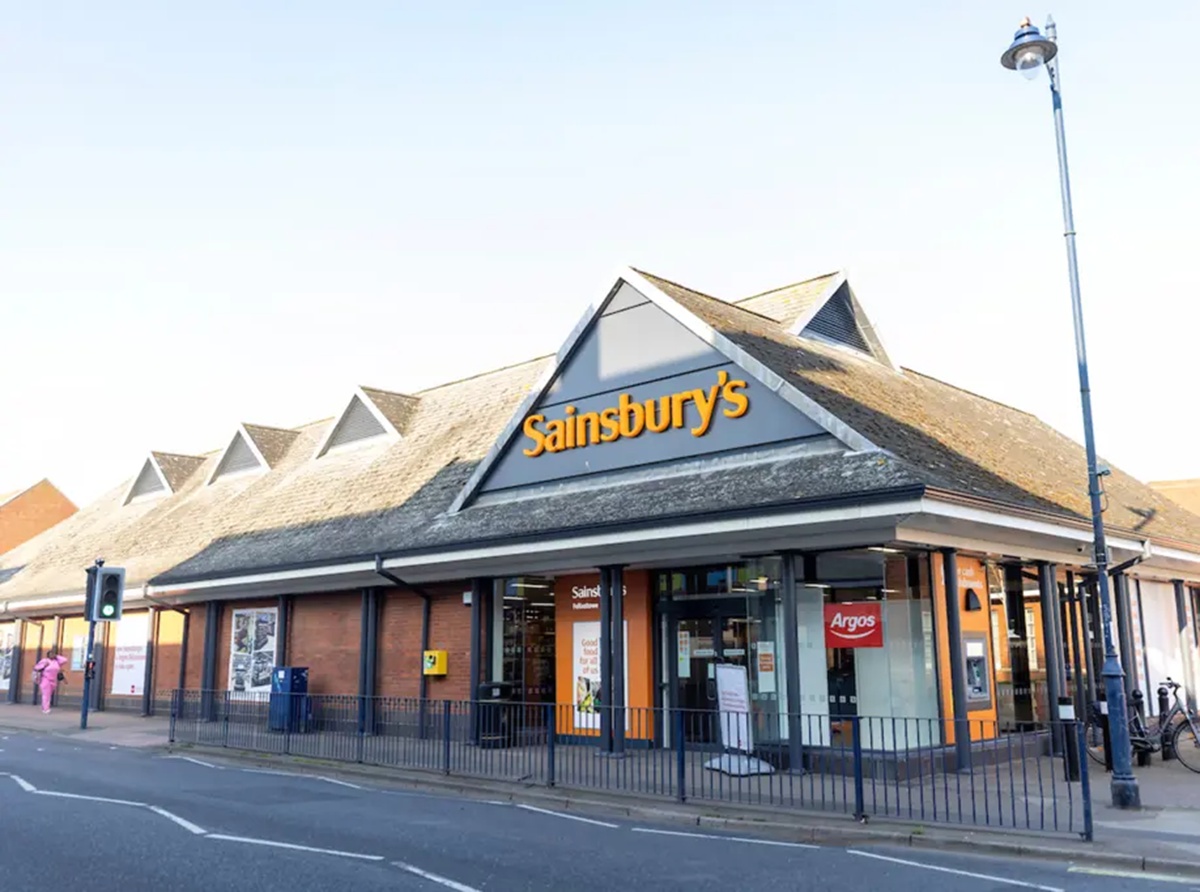

Sainsbury’s has reported strong early results from its trial of facial recognition technology, with logged incidents of theft, harm, aggression, and antisocial behaviour dropping by almost 50% in the pilot stores.
In its preliminary results for the 52 weeks ended 28 February 2026, the UK supermarket giant detailed progress on enhancing colleague and customer safety as part of a broader loss prevention strategy.
The company completed a trial of Facewatch facial recognition technology in two stores and has since extended the system to five additional London locations.
“Early results show almost 50% reduction in logged incidents and over 90% of identified offenders not returning,” the group said. “(The) Technology (has been) extended to five additional London stores to assess performance when adopted by multiple stores in the same area, with plans to introduce the technology in more stores nationwide.”
Sainsbury’s began the trial in September 2025 at stores in Sydenham (London) and Bath, working with Facewatch to alert trained staff to known individuals on a database of reported offenders.
The system is designed with privacy safeguards, including human review of alerts and deletion of non-matches.
The retailer described the results as encouraging enough to scale the trial, assessing its effectiveness when deployed across multiple stores in the same area, with potential nationwide rollout planned.
Part of a wider safety and loss prevention push
The facial recognition initiative forms part of a targeted, data-led approach to safety and shrink reduction. Other measures include:
- Self-checkout video analytics rolled out to more than 440 supermarkets (with another 130 planned by June 2026).
- Enhanced shelf-edge protection in over 800 convenience stores.
- Selective use of front-of-store barriers for high-risk items.
Sainsbury’s has faced rising retail crime pressures in recent years, alongside many UK retailers, with incidents of shoplifting and violence against staff increasing.
The company emphasised that the technology aims to protect colleagues and create a safer shopping environment for customers.
While the retailer has highlighted customer support in surveys for measures targeting repeat offenders, the use of facial recognition has drawn criticism from privacy advocates concerned about surveillance, potential misidentification, and data handling.
There have been isolated reports of customers being incorrectly approached due to human error in alert interpretation.
The facial recognition results were included in Sainsbury’s broader financial update, which showed retail sales (excluding fuel) up 4.3% to nearly £30 billion, with grocery sales rising 5.2%.
The group said it continues to focus on value, fresh food, and digital improvements while navigating cost pressures.