Britain’s asylum hotel experiment spiralled into a £9 million-a-day disaster. The government is now trying to undo it
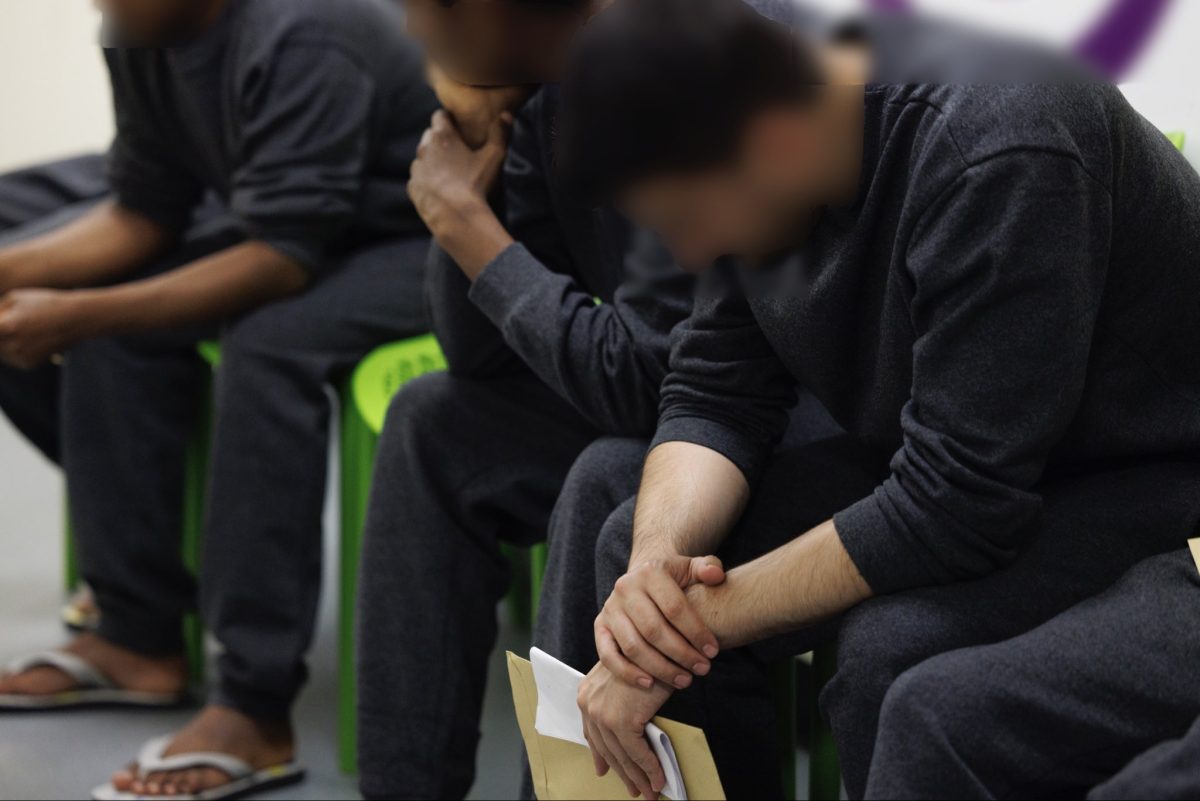

The UK government has announced the closure of another 11 asylum hotels, returning them to local communities as it accelerates a shift toward larger, more basic accommodation sites in a bid to end the costly and controversial use of hotels for housing asylum seekers.
The move marks the latest step in what ministers describe as a necessary unwind of a system that ballooned under the previous Conservative government. At its peak, the use of hotels for asylum accommodation reached around 400 sites and cost taxpayers up to £9 million per day.
A short-term fix that spiralled out of control
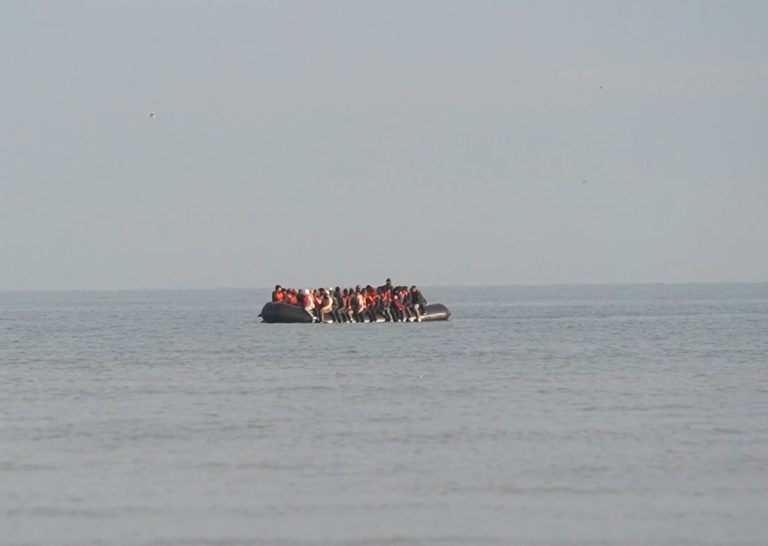
Hotels were originally intended as a temporary contingency measure when the dispersal accommodation system, the standard private-rented housing for asylum seekers, could not keep pace with demand, driven largely by record small boat crossings in the English Channel.
Under the last government, the asylum backlog grew dramatically, decision-making slowed, and hotel use exploded. By one point in 2023, more than 50,000 people were housed in hotels, with daily costs peaking near £9 million.
The financial burden became enormous. In the 2023/24 financial year, hotel spending hit around £3 billion. Even as numbers fell somewhat, the 2024/25 outturn was still £2.1 billion on hotels alone – accounting for a disproportionate share of overall asylum accommodation costs despite housing only about a third of supported asylum seekers.
Beyond the raw numbers, the policy created significant local friction. Hotels in towns and cities across the UK became flashpoints for protests, strained community resources, and drew criticism for concentrating vulnerable people in often unsuitable environments while generating profits for private contractors.
Labour’s efforts to reverse the trend
Since taking office in 2024, the current government has claimed progress in reducing reliance on hotels. The number of sites has been more than halved, falling from around 400 to just under 190. The number of people in hotel accommodation has dropped nearly 20% in the past year and 45% from its peak.
Overall asylum accommodation costs have fallen by nearly £1 billion since the election, according to ministers, with £74 million recouped from poorly performing contracts. The latest round of 11 closures, including sites such as the Britannia Hotel in Wolverhampton, the Holiday Inn Heathrow, and several in Halifax and elsewhere, is projected to save a further £65 million annually.
“Hotels were meant to be a short-term stop-gap under the previous government, but they spiralled out of control – costing taxpayers billions and dumping the consequences on local communities,” said Border Security and Asylum Minister Alex Norris.
“We are shutting them down by moving people into more basic accommodation, scaling up large sites, removing record numbers of people with no right to remain. This is about restoring control, ending waste, and handing hotels back to the community for good.”

As part of the shift, the government has begun moving people to sites like Crowborough military barracks in East Sussex, which opened three months ago and can house up to 350 individuals.
Ministers say they plan to scale up similar large, basic sites while accelerating asylum decisions, which are now at a 24-year high and outpacing new claims, and increasing removals.
Nearly 60,000 illegal migrants and foreign national offenders have been removed since the 2024 election, with last year seeing the highest removal rates in almost a decade.
Challenges remain
The strategy is not without hurdles. Large sites, such as former military bases, have in the past proven logistically complex and, in some analyses, not necessarily cheaper once setup and operational costs are factored in.
Critics have raised concerns about the suitability of such accommodation for people who may have experienced trauma, as well as potential impacts on surrounding areas.
The government has also pointed to broader successes. Net migration has fallen by more than two-thirds to its lowest level in half a decade, over 42,000 small boat crossings have been prevented through cooperation with France, and new returns agreements have been struck with countries including Germany, Iraq, and in the Western Balkans.
The pledge is to end hotel use permanently, though an earlier target of closing them by 2029 remains the public timeline.
Officials say continued progress on faster processing, enforcement, and alternative sites will be key to making that happen without simply shifting the problem elsewhere.