UK government moves to adopt EU rules without parliamentary votes


The UK government is preparing legislation that would allow it to automatically adopt evolving EU single market rules in key sectors, starting with food standards, using secondary legislation that typically bypasses full parliamentary debate and votes.
The move, part of Prime Minister Keir Starmer’s “reset” with the European Union, aims to unlock a £5.1 billion annual boost to the food and drink trade by slashing post-Brexit red tape, but it has already sparked accusations of undermining parliamentary sovereignty.
The BBC reports that the proposed bill, expected to be introduced before the summer recess and potentially featured in the King’s Speech in May, would implement a new UK-EU sanitary and phytosanitary (SPS) agreement on food and drink.
It would also grant ministers “Henry VIII powers” to enable “dynamic alignment”, automatically mirroring future EU rule changes in agreed areas, via statutory instruments. These secondary measures generally cannot be amended by MPs and are often approved without a formal vote or extensive scrutiny.
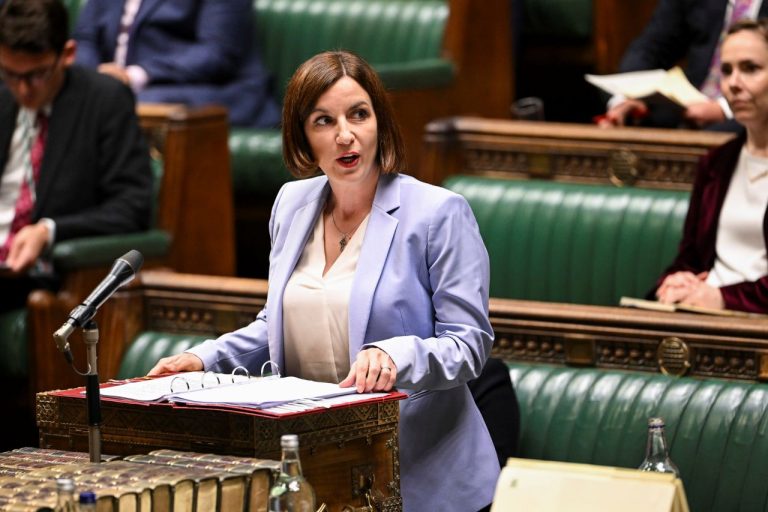
“The bill will go through Parliament in the normal way. Any new treaties or deals with the EU will also face parliamentary scrutiny, and Parliament will have a role in approving new EU laws required under those deals via secondary legislation,” a spokesperson said.
“This will allow us to deliver a ‘food & drink’ trade deal worth £5.1bn a year, backing British jobs and slashing costly red tape for our farmers, producers and businesses.”
Post-Brexit barriers
Since leaving the EU single market and customs union in 2020, UK businesses, particularly in agri-food, have faced a surge in paperwork, border checks, and certification requirements. T
he food and drink sector alone has absorbed an estimated £4 billion hit in lost business and added bureaucracy, with exporters spending £210 million on a “paperwork tax” since 2023.
Agrifood export volumes to the EU have fallen sharply: 37.4% overall since 2019, according to the National Farmers’ Union, with steep drops in poultry, beef, and dairy.
Ministers argue the SPS deal would eliminate many of these frictions. Savings could include up to £200 per consignment by scrapping export health certificates, £25 per phytosanitary certificate, reduced inspection fees, and lower sampling and queuing costs.
Chancellor Rachel Reeves has framed the reset as addressing the Office for Budget Responsibility’s estimate of a 4% long-term productivity loss and 15% drop in trade flows from Brexit. The EU remains the UK’s largest trading partner, accounting for nearly half of total trade in 2024.
Broader sectors could benefit if alignment extends further. The legislation reportedly opens the door to dynamic alignment in automotive manufacturing, emissions trading schemes (ETS linkage), and potentially other areas like cars and farming standards. This would provide regulatory certainty for exporters facing dual compliance burdens, potentially lowering costs and speeding up market access.