This tiny device could cost the UK £7.62 billion a week
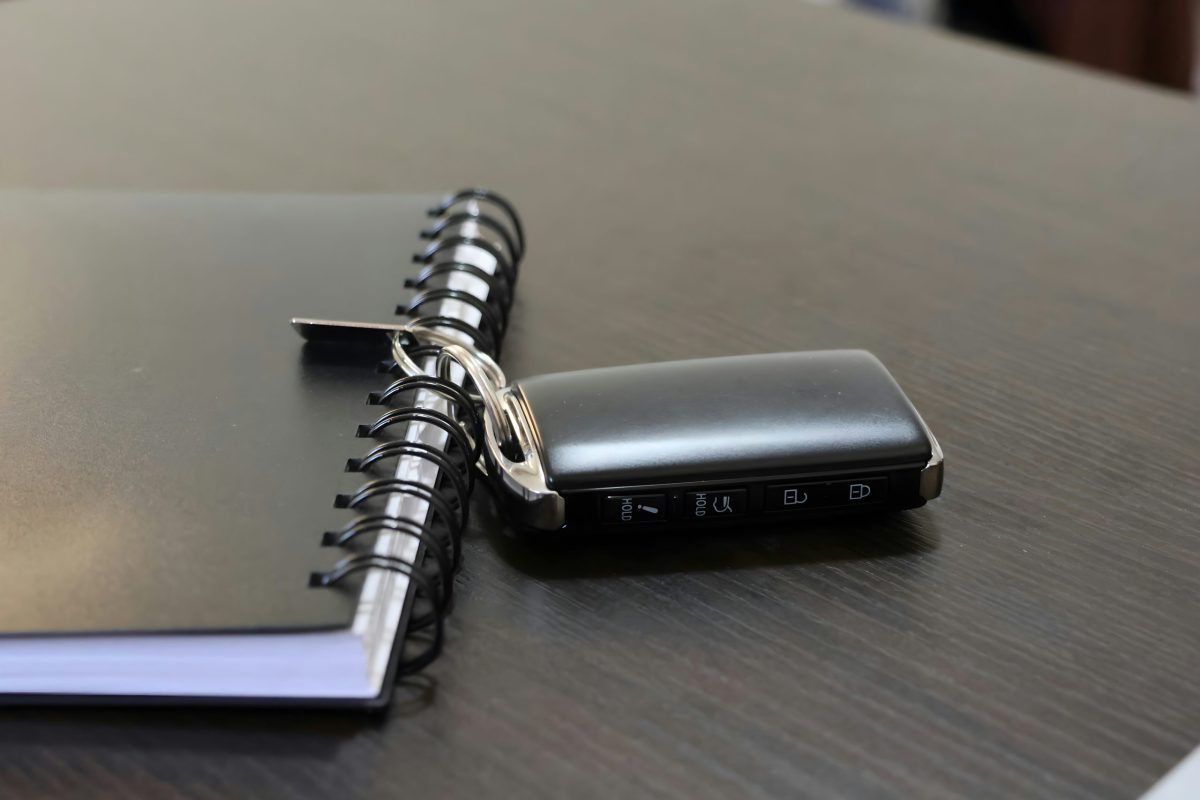

A gadget the size of a small digital watch is fuelling a surge in car thefts, shoplifting, and even disruptions to critical infrastructure across the UK.
Now, the government is considering a blanket ban on owning radiofrequency jammers, devices that criminals use to block wireless signals and make crimes easier and harder to detect.
In a statement on Friday (10 April), the government warned about the growing misuse of these jammers, which interfere with everything from keyless car entry systems and video doorbells to GPS tracking, mobile networks, and emergency communications.
Disguised as everyday items, the devices allow thieves to disable security systems, bypass vehicle immobilisers, and silence shoplifting alarms without raising suspicion.
According to the release, just one week of widespread disruption to the UK’s vital positioning, navigation, and timing (PNT) infrastructure, which relies heavily on GNSS signals like GPS, could cost the economy up to £7.62 billion.
That figure, drawn from an earlier government report on GNSS vulnerabilities, underscores the potential for these small devices to cascade into major economic damage, threatening jobs, supply chains, transport networks, and daily life.
From doorbell hacks to airport chaos
Criminals are increasingly turning to radiofrequency jammers for a range of offences:
- Car theft: Jammers block signals from key fobs, enabling “relay” or signal-amplification attacks on keyless vehicles. Data from the Crime Survey for England and Wales showed such electronic devices involved in around 40% of vehicle thefts nationally, rising to 60% in London.
- Shoplifting: Devices prevent security tags from triggering alarms, contributing to record-high retail theft that has already cost businesses billions in recent years.
- Burglaries: Thieves jam video doorbells and home security systems to approach properties undetected.
- Broader disruption: Jammers have been linked to interference with mobile coverage, emergency radio networks, and even operations at airports or military sites.
The Wireless Telegraphy Act 2006 already prohibits the use of non-compliant jamming equipment, but enforcement is challenging because proving actual interference in a specific crime can be difficult. Possession itself has often fallen into a grey area outside specific vehicle-theft contexts.
Proposed crackdown
In response, the Department for Science, Innovation and Technology (DSIT) has launched a four-week call for evidence seeking input from the public, mobile operators, law enforcement, transport firms, and infrastructure experts.
The consultation will examine current regulations and explore making possession of radiofrequency jammers illegal in most cases.
“We are stepping up efforts to stop the illegal use of jamming devices, which are threatening not only our daily lives, but also our vital public services across the country,” said UK Telecoms Minister Liz Lloyd.
“This is an opportunity for the public and industry experts to have their say on how we safeguard our homes, businesses, transport networks and more from those seeking to exploit these technologies.”
The move builds on the Crime and Policing Bill, which already targets devices used specifically for stealing cars, with penalties of up to five years in prison.
Insights from the new consultation could extend similar possession bans to a wider range of jammers, while carving out legitimate uses, such as in prisons to block contraband phones or for authorised military exercises.