The one UK job that’s ‘AI-proof’

As AI automates white-collar roles and makes entry-level office jobs increasingly scarce, one corner of the UK economy is proving remarkably resistant to the technology: home building.
A new report from the Home Builders Federation (HBF) and Pluto Finance has found that construction, particularly the hands-on trades involved in building new homes, remains one of the most “AI-proof” industries in Britain.
While AI is transforming design, planning, and forecasting across the sector, it is acting overwhelmingly as an enhancer of human work rather than a replacement for it.
According to the Office for National Statistics’ Business Insights and Conditions Survey data cited in the report, just under 20% of construction businesses were using AI as of December 2025 – roughly half the rate for UK businesses overall (almost 40%).
Crucially, while 7.2% of all businesses reported that AI had reduced their headcount, the figure for construction was close to zero. Looking ahead, only 6% of construction firms expect AI to cut jobs in the coming years, compared with 11% across the wider economy.
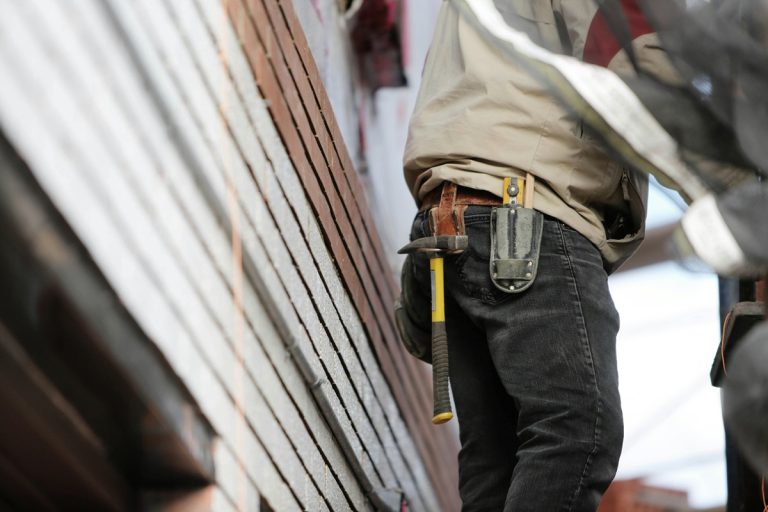
The HBF argues that home building is fundamentally physical, site-based, and relationship-driven.
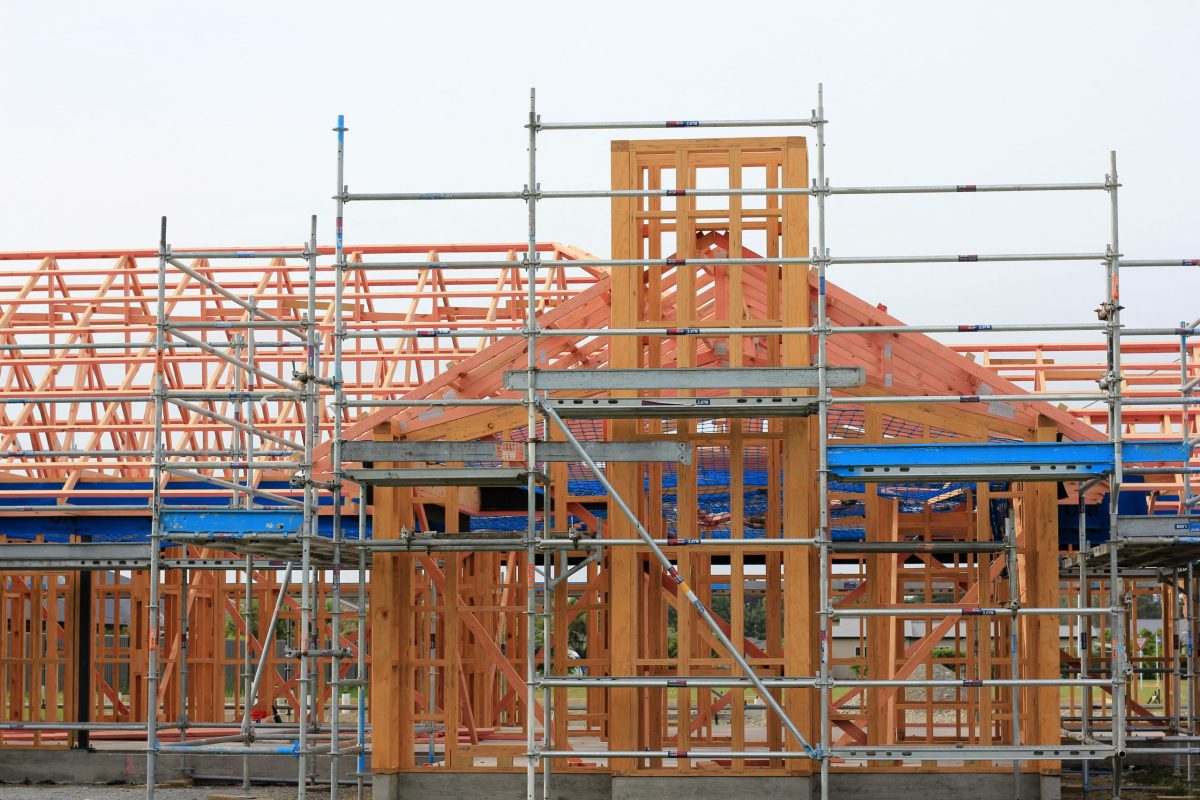
Trades such as bricklaying, carpentry, roofing, plumbing, groundworks, and electrical installation require dexterity, real-time problem-solving, and adaptation to unpredictable on-site conditions – tasks that are extremely difficult to automate, especially on the bespoke or small-to-medium residential projects typical in the UK.
Even in modular off-site factories, where automation is more advanced, human supervisors, quality inspectors, and skilled operatives remain central, the group said.
Site managers, quantity surveyors, and health-and-safety officers handle complex coordination, negotiation, and regulatory judgment that AI can support with alerts and forecasts but cannot fully own. Customer-facing roles in sales and aftercare rely on trust and empathy that machines still struggle to replicate.
“Of the construction companies using AI, the most prominent use is to train or retrain existing staff,” the report notes, highlighting the industry’s focus on upskilling rather than headcount reduction.
New entrants are voting with their feet
A recent HBF poll of newer entrants to the industry reinforces the appeal. 90% said job security was an important factor in choosing home building, while 70% were specifically motivated by the sector’s protection against rising automation.
82% believe AI will change how people work in home building over the next decade, but 67% agree that jobs in the sector are less likely to be replaced by AI than in many other industries.
The good news for workers is also a challenge for the industry. The government wants to see 300,000 homes built annually. The current run rate is around 200,000.
To bridge the gap, the sector needs to recruit an extra 300,000 people across the supply chain, predominantly in skilled, site-based roles that cannot be fully automated.
The report lists the immediate shortfalls:
- 25,000 bricklayers;
- 25,000 groundworkers and plant operatives;
- 10,000 carpenters;
- 4,000 plasterers and dry liners;
- 4,000 site managers;
- 3,000 plumbers;
- 3,000 electricians.
- 3,000 roof slaters and tilers.
Structural issues have compounded the problem for over a decade, the HBF said. Too few young people are entering construction pathways, the lingering impact of the last recession, and a demographic cliff with a quarter of the workforce now over 50.
It added that AI is helping by speeding up floorplan generation, improving cost estimation and scheduling, predicting planning outcomes, and supporting net-zero compliance through energy modelling. But it does not lay bricks, install roof trusses, or make the final call on a site-safety issue.
“AI does not remove this labour requirement,” the group said. “Rather than substituting labour, AI increases the productivity of skilled workers, making it even more important that there are enough of them.”