900 UK jobs gone, stock plummeting: Inside HelloFresh’s fall from grace
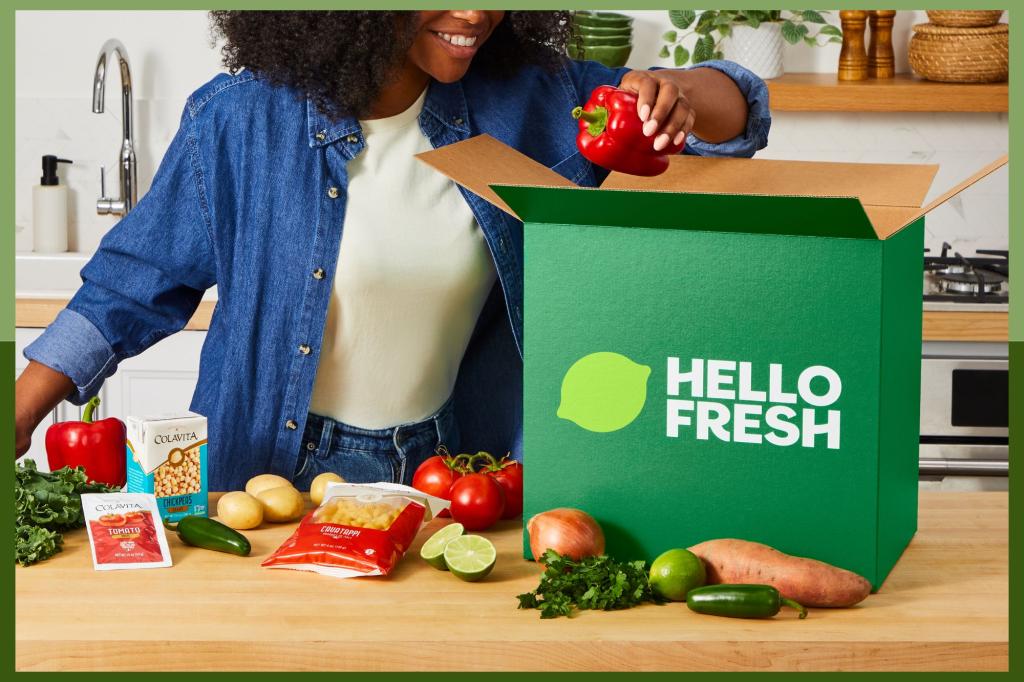

HelloFresh has published its full-year 2025 results, revealing a company still grappling with a post-lockdown slowdown.
The financials show revenues down roughly 9% in constant currency to around €6.76 billion, ongoing customer attrition, and a cautious 2026 outlook forecasting another 3-6% revenue decline alongside adjusted EBITDA of €375-€425 million.
The numbers tell a story of survival through ruthless cost-cutting rather than revival. The group posted adjusted EBITDA of approximately €423 million for 2025, up about 14% in constant currency, thanks to a multi-year efficiency program that has delivered hundreds of millions in savings.
Meal-kit profitability improved markedly, hitting margins around 13.5%, but the broader picture remains grim: orders and meals delivered fell sharply, early 2026 weather disruptions hampered performance, and the company is accelerating investments in product “refresh” initiatives to stem churn.
HelloFresh shares tanked in early trading, extending a multi-year slide from pandemic highs. The stock, once a darling of growth investors, has become a cautionary tale of what happens when a lockdown-fueled surge proves unsustainable.
HelloFresh’s UK operations have been hit hard by restructuring. In late 2024, the company announced plans to close its Nuneaton distribution centre in Warwickshire, putting nearly 900 jobs at risk, a move that proceeded into 2025 amid broader network optimisation.
These cuts form part of the same efficiency drive that has seen facility closures in the US, including recent Texas consolidations affecting hundreds more, and market exits in Italy and Spain.
Popularity during Covid lockdowns
HelloFresh exploded during COVID-19 lockdowns, when home cooking became a necessity, and subscribers flocked to its convenient boxes.
Demand soared, facilities expanded rapidly, and the company hired aggressively, including in the UK, where fulfilment centres supported booming orders.
But as restrictions lifted, habits changed. Consumers returned to restaurants, grocery shopping resumed, and inflation squeezed discretionary spending.
Meal-kit retention proved challenging, marketing costs ballooned to acquire new users, and competitors like Gousto faced similar woes.
HelloFresh’s response was to slash costs and focus on profitable core customers, exit unviable markets, and pour resources into better recipes and variety to win back loyalty.
In late 2025, short-seller Grizzly Research published a scathing report accusing management of prioritising personal enrichment over shareholders and warning that core demand was in “steep decline.” Governance questions have lingered ever since.
Through the worst of it?
For now, management insists the strategy is working on the profitability front. “Disciplined execution” of efficiency measures has narrowed losses and boosted margins in the core business, even as top-line pressure persists.
CEO Dominik Richter insists the worst is behind them. In the earnings call he pointed to the efficiency programme being 80% complete and the accelerated “ReFresh” investment in recipes and variety, saying the company is “slowly turning our attention back to reigniting our growth strategy.”
Yet the numbers and the 2026 guidance suggest the recovery is still some way off.
The accelerated product investments signal hope that innovation can spark a turnaround.
Yet the 2026 guidance, which includes more revenue contraction and tempered profit expectations, suggests the fall from grace isn’t over.
Once valued as a high-growth disruptor, HelloFresh now trades like a mature, challenged retailer fighting for relevance in a normalising category.